
Last updated November 24, 2026
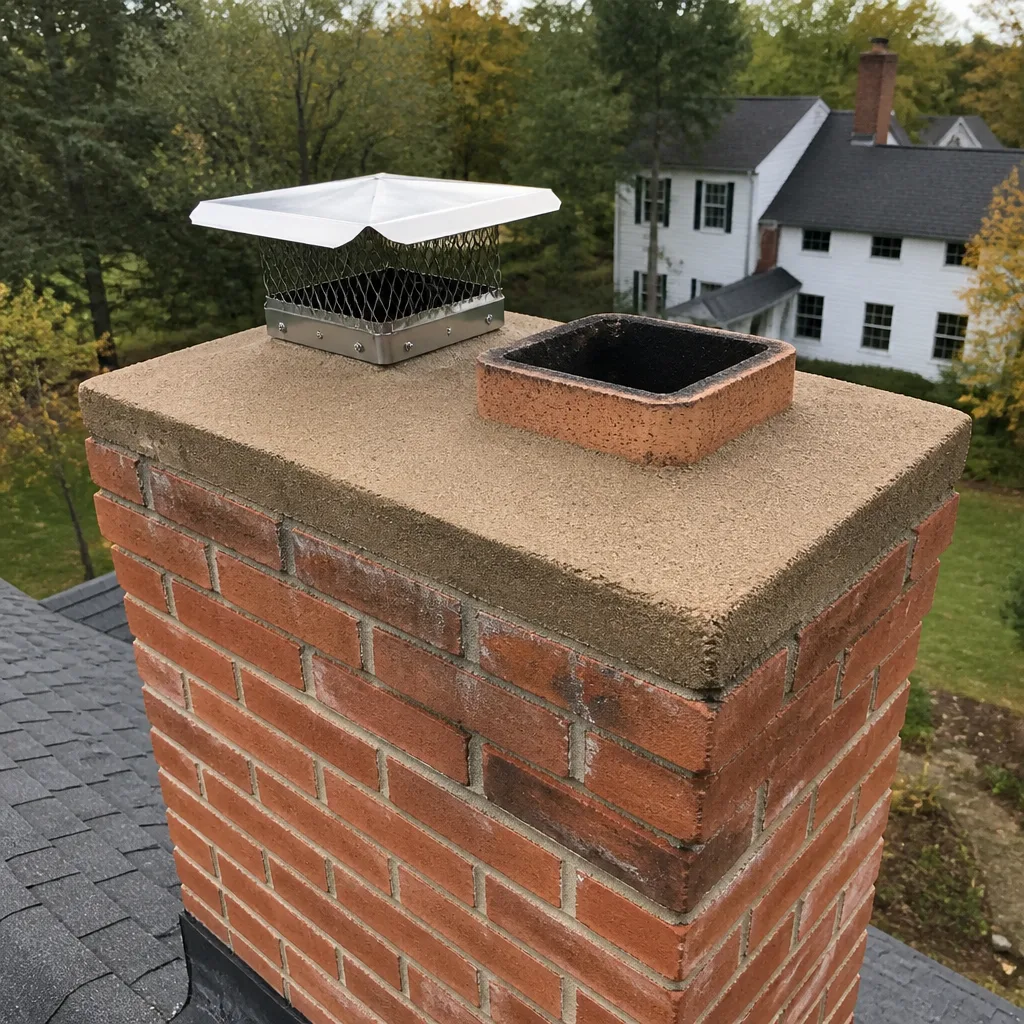 Sweep & inspection
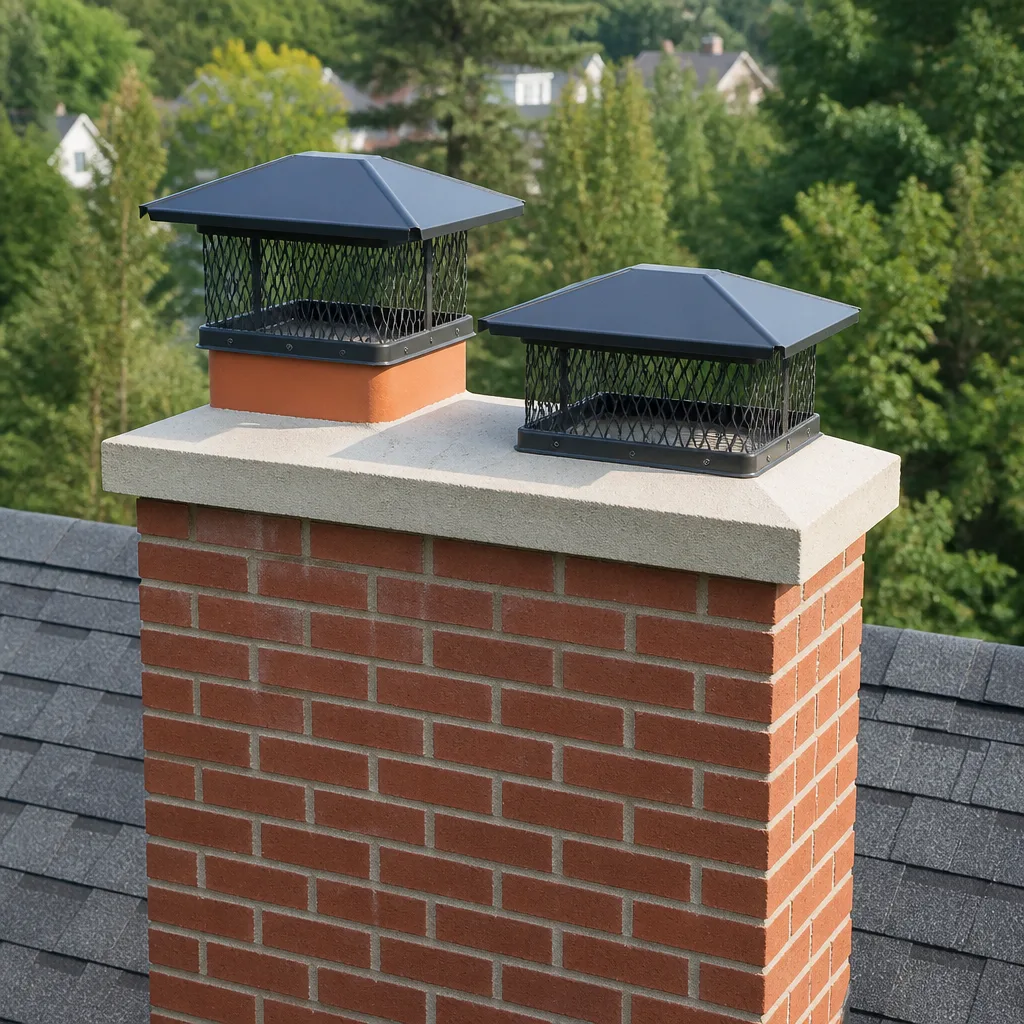 Caps & crowns
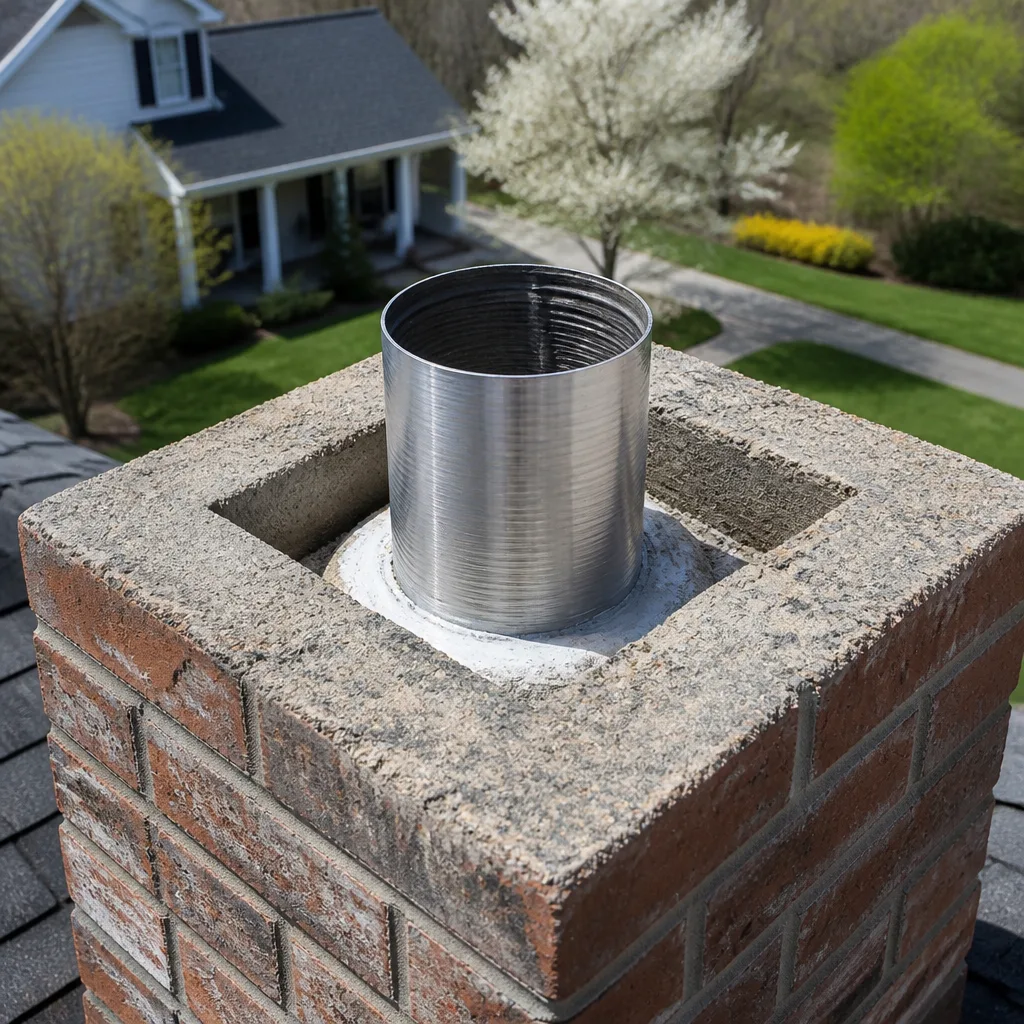 Flue relining
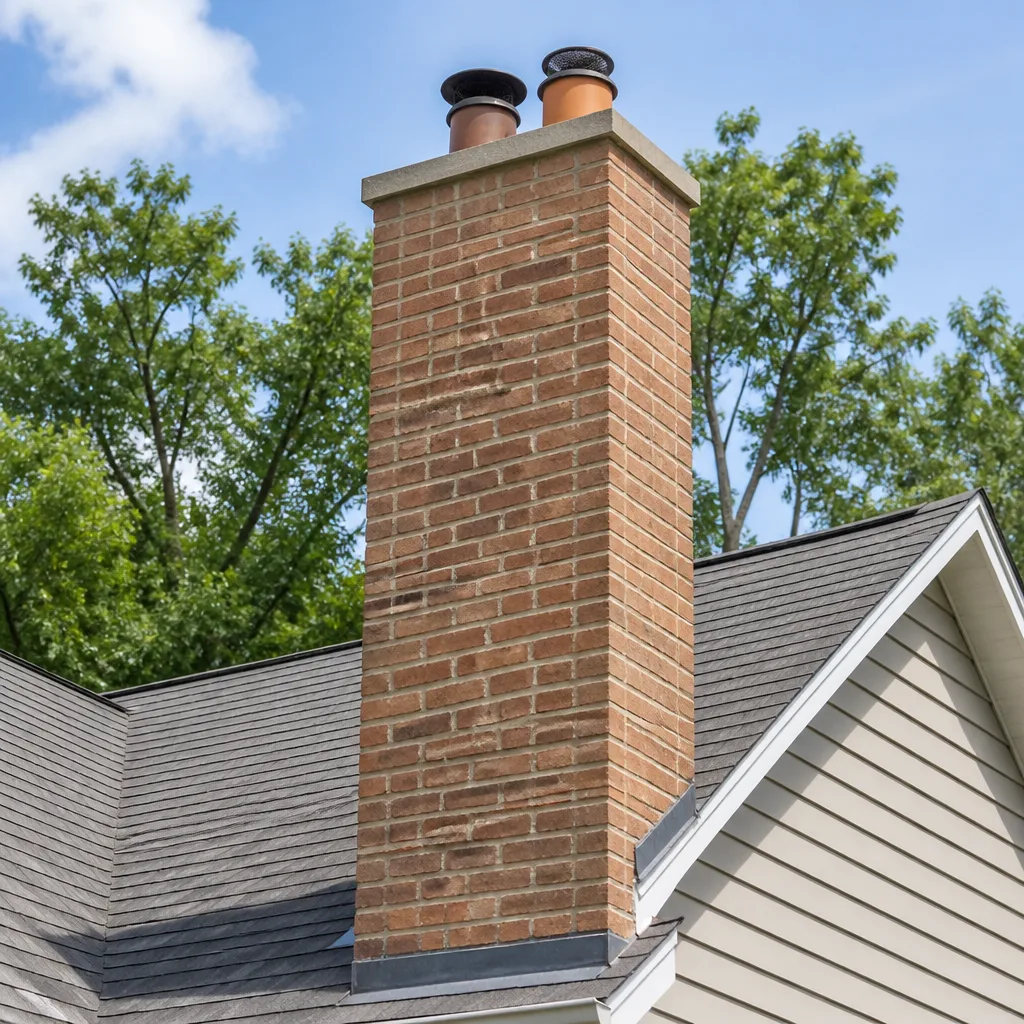 Masonry repair
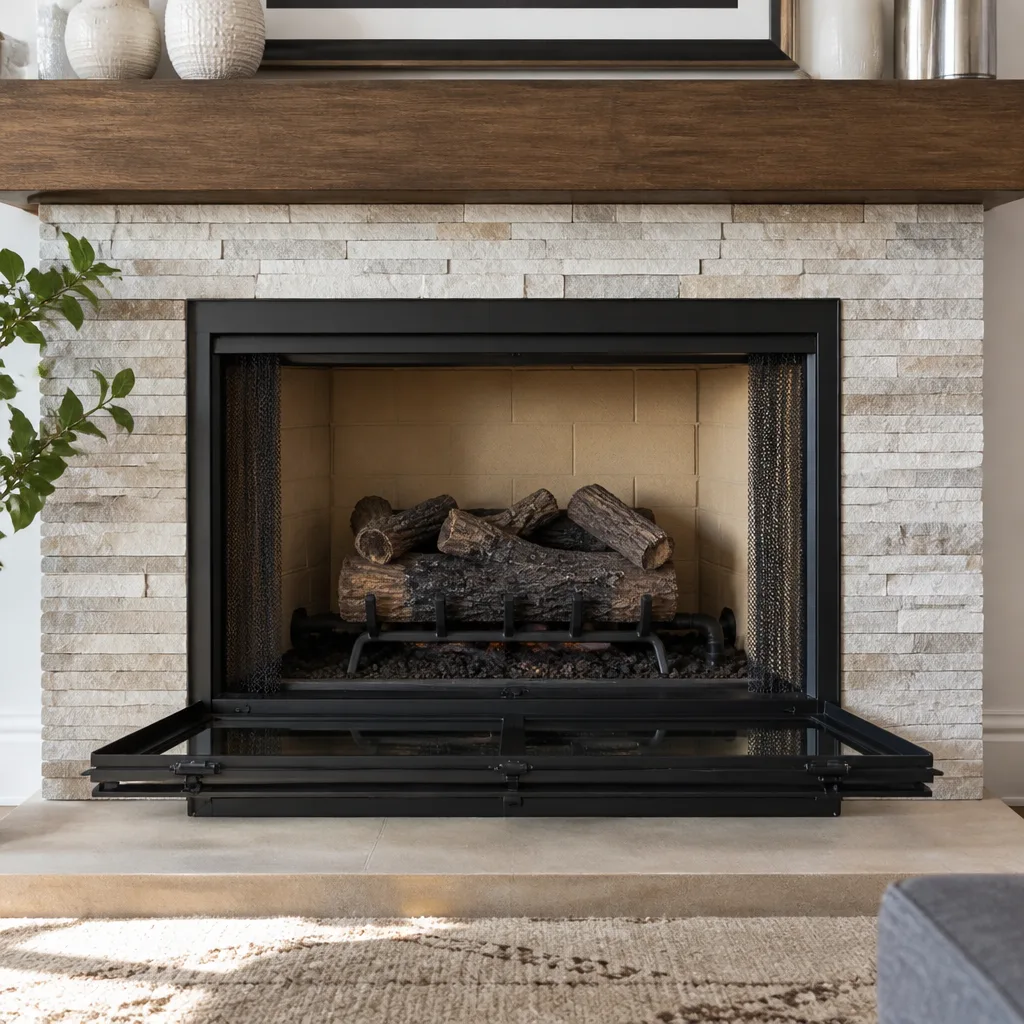 Gas fireplace service
Level 1 sweep and inspection to the NFPA 211 annual standard - flue, crown, cap, and flashing checked and photographed
Chimney sweep logs do not sweep chimneys. They loosen some creosote - which then falls where a brush and vacuum still have to collect it.
Seasonal Chimney Cleaning Care for Westpark: Year-Round Homeowner’s Guide
If you schedule your chimney cleaning in October like every national guide suggests, you’re competing with every other homeowner in Westpark for appointments right before burn season opens. And the deeper problem is that October timing is borrowed from a climate that isn’t ours. Westpark’s burn window is narrow. Fire season restrictions tighten the calendar, winters stay mild, and the months when you’d most want the work done don’t line up with the schedule most chimney advice assumes. In this guide, we walk through what actually works here: when to book a sweep, what to do with the chimney during the non-burn months, how wildfire smoke affects a flue you haven’t even used, and how gas and zero-clearance fireplaces on a different schedule altogether. You’ll come away with a year-round plan that fits the way Westpark actually burns.
Quick Answer
In Westpark, the best window to book chimney cleaning and inspection is late summer, roughly August through September, before fire season restrictions tighten and before the first fires of the season. The reason is scheduling and cure time, not folklore: technicians have room on their calendars, air quality rules haven’t yet limited when work can happen, and any structural repair found during inspection has time to cure before you light the first fire. One annual sweep and inspection in that window, plus a quick spring check after winter rain and wind, keeps a wood-burning system in good shape through the year.
Styles & brands we work with
- Sweep & inspection
- Caps & crowns
- Flue relining
- Masonry repair
- Gas fireplace service
Table of Contents
- Why Westpark’s Climate Upends the Standard Chimney Calendar
- Late Summer: The Optimal Service Window in Westpark
- What to Do With Your Chimney During Westpark’s Non-Burn Months
- How Wildfire Smoke and Ash Affect a Chimney You Haven’t Used
- Spring Tasks: Ash Removal, Moisture Checks, and Damper Position
- Gas and Zero-Clearance Fireplaces on a Different Schedule
- Warning Signs That Move You Off the Calendar
- Sweep vs. Inspection: What Each One Actually Does
Why Westpark’s Climate Upends the Standard Chimney Calendar
Most chimney maintenance advice is written for places with long, hard winters and a clear heating season that runs from October to March. Westpark doesn’t work that way. Our winters are mild, which means the fireplace is an occasional comfort rather than the main heat source. Our fire season restrictions compress the months when a wood fire is even allowed. The result is a burn window that’s shorter and less predictable than the national calendar assumes, and a maintenance rhythm that has to be built around it, not around a generic October reminder.
Here’s the practical consequence. If you wait until the first cool week to think about the chimney, you’re booking into the busiest stretch of the year, when every homeowner in Westpark has the same idea at the same time. You also remove the cushion you need if a sweep turns up a cracked crown or a deteriorated flue that needs repair before the season starts. Repairs and resurfacing need time to cure, and if you find a problem in late October, you may be choosing between delaying the fix and delaying the fire.
That’s the whole case for shifting the calendar earlier. Westpark’s seasons reward homeowners who do the work while the fireplace is idle, not right before they want to use it.
The three-part Westpark year, in chimney terms
- Late summer (August – September): The ideal window for a chimney sweep and inspection. Schedules are open, air quality rules haven’t tightened, and repairs have time to cure.
- Fall and winter burn season: The fireplace earns its keep. The chimney should already be clean and inspected before the first fire.
- Spring: Post-season work. Clear ash, check for moisture intrusion after winter rain, look for pest nesting, and confirm the cap and crown came through the wind intact.
Late Summer: The Optimal Service Window in Westpark
Late summer is the best time to book chimney work in Westpark, and the reasons stack up in your favor. August and September give you technician availability, a calendar that isn’t yet squeezed by fire season rules, and enough runway to complete repairs before the first fire. It’s the one stretch where all three line up.
- Availability. The national rush hits in October. Booking in late summer gets you onto the schedule without scrambling for the last open slot before the season.
- Air quality rules. Fire season restrictions can affect scheduling and the kind of work that’s practical at certain times of year. Getting the sweep done before those tighten keeps the calendar in your hands.
- Cure time. If inspection turns up a damaged flue that needs resurfacing, or a crown that needs rebuilding, the repair needs time to cure properly. HeatShield resurfacing and similar work aren’t same-day-and-straight-to-fireplace projects. Late summer gives the material time to set before you need the chimney again.
This is also the point where we tell homeowners plainly what we found. A sweep in August that reveals a small issue is a manageable fix. The same issue discovered in early November becomes a choice between delaying the repair and delaying the fire. Give yourself the cushion.
The visit isn’t only a cleaning. It’s a sweep combined with a look at the whole system: the firebox, the damper, the smoke chamber, the flue, the cap and the crown. If the flue is deteriorated or undersized, a professional-grade liner system such as DuraFlex gets considered as part of the same conversation. And if the flue has surface damage that doesn’t require tearing down the chimney, HeatShield resurfacing can restore it. The point of booking early is that you get the sweep, the findings and the plan in one stretch, rather than piecemeal.
We work exclusively on chimneys. That single-trade focus is why a late-summer visit is a chimney visit, not a general handyman stopping by with a brush. Chimney Sweep Westpark exists to do exactly this, and only this.
What to Do With Your Chimney During Westpark’s Non-Burn Months
The non-burn months aren’t downtime for your chimney. They’re the stretch when the system is most exposed and least watched. Wind, spring rain, birds and insects all take their turn when no fire is burning, and the things that go wrong in a chimney during the off-season tend to go wrong quietly.
The two priorities are the cap and the flue opening. A chimney cap is the system’s first line of defense. It keeps rain out, keeps animals out, and keeps the occasional ember from landing where it shouldn’t. After wind season, take a look from the ground. A cap that’s loose, bent or missing tells you something needs attention before the season starts, and it’s far easier to fix in summer than to discover a nest or water infiltration in fall.
Spring is nesting season, and Westpark’s birds and pests routinely find an uncapped or poorly capped flue. A nest is more than an inconvenience. It blocks the flue, and a blocked flue is a serious drafting and carbon monoxide problem. If you haven’t had the cap checked recently, an inspection is the simplest way to confirm nothing has taken up residence inside.
Your off-season chimney checklist
- Cap and crown after wind season. Look for looseness, cracks or missing hardware. Gelco and Olympia Chimney components are among the professional-grade options used when a cap or crown needs replacing.
- Flue check for nesting. Birds and pests move in fast in spring. A quick inspection catches it early.
- Moisture inspection after rain. Water stains on the firebox or smoke shelf suggest the crown or flashing needs attention. Catch it before it becomes a bigger repair.
- Damper and firebox look-around. Confirm the damper still operates cleanly and there’s no visible damage from the previous season.
chimney cap & crown work in summer is far simpler than the same work discovered mid-season. If the off-season look-around turns up a cracked crown, the fix is straightforward when there’s time to do it properly.
How Wildfire Smoke and Ash Affect a Chimney You Haven’t Used
Here’s something that surprises a lot of Westpark homeowners: wildfire smoke and ash from regional fires can affect a chimney interior even when you never light a fire. The reason is simple. A chimney is a vertical opening in the roof. When air quality is poor and the outside air is thick with ash, some of it finds its way in, along the flue walls, into the smoke chamber, and through a damper that isn’t fully closed.
The result is a layer of soot and ash that wasn’t created by your fireplace. If you do a spring or summer check and find soot on the smoke shelf when you haven’t burned anything, that’s often the explanation. It’s not alarming on its own, but it does mean the chimney interiors you’re looking at may not reflect only your own burning habits. For a homeowner trying to figure out whether a sweep is needed, that’s worth knowing.
What we recommend here is practical rather than dramatic. If there’s been a notable regional fire event during the off-season, and you haven’t had the chimney swept since, a late-summer sweep and inspection is a good idea, even if you don’t feel like you’ve burned much. The sweep removes what accumulated, and the inspection confirms the flue is intact and the cap is doing its job. We don’t want to overstate the risk. But we do want you to know that ash accumulation in Westpark isn’t only about your own fire.
When to add a check after regional fire activity
- You notice soot or ash on the smoke shelf or in the firebox outside of burn season.
- A spring or summer inspection turns up an unusual layer of soot on the flue walls.
- You’re within a summer or fall season and haven’t had a sweep yet.
Spring Tasks: Ash Removal, Moisture Checks, and Damper Position
Spring is where the previous season gets settled and the chimney gets ready for its idle stretch. Three tasks matter most: clearing ash before it sits too long, checking for moisture intrusion after winter rain, and getting the damper position right for the humid months ahead.
1. Clear the ash in reasonable time
Ash that sits for months in a damp environment can hold moisture, clump against the firebox lining, and turn the firebox into a harder cleaning job than it needs to be. Take the ash out within a reasonable window after your last fire of the season, once the firebox has cooled fully. Keep a metal container for the ash, and give it distance from anything that can burn while it cools.
2. Moisture check after winter rain
The crown is the concrete cap around the top of the chimney, and it’s what sheds water away from the flue. A cracked crown lets water into the chimney structure. Every winter of rain in Westpark is a test of that crown, and spring is the moment to look for the signs: dampness inside the firebox, staining on the smoke shelf, a whitish crust on the masonry, or visible cracks on the crown itself. Catching a crown problem in spring usually means a focused repair. Catching it in fall, after a winter of moisture has soaked in, can mean more.
3. Damper position through the humid months
A fully closed damper keeps humid outside air from moving into the firebox, and gives pests a smaller opening. A fully open damper does the opposite. During the off-season, closed is usually the better default for a wood-burning fireplace in Westpark. The exception is if you’re actively drying out dampness; then you want it open for a short stretch, then closed again. The practical rule is to make a decision rather than leave the damper in whatever position it happened to end the season in.
Spring is also a sensible time to schedule fireplace repair if something’s been bothering you about the firebox or damper. That way the repair has months to settle before the next fire.
Gas and Zero-Clearance Fireplaces on a Different Schedule
Gas fireplaces and zero-clearance fireplaces, common in Westpark’s newer homes, don’t follow the same seasonal schedule as wood-burning systems. A gas fireplace has no soot to sweep in the wood-burning sense, but it has its own maintenance and inspection needs. A zero-clearance fireplace has a factory-built firebox and chimney that must be inspected for what it is, with its own manufacturer specifications for clearances and components.
The important point for Westpark homeowners is that the seasonal logic shifts. Gas and zero-clearance units aren’t tied to a sweep interval the way a wood-burning flue is. Their maintenance is about confirming the venting is clear, the firebox and glass are in good condition, and no pest or moisture intrusion has found its way into the venting. That check is often best done in the off-season, when nobody’s thinking about the fireplace, and there’s plenty of time to fix anything that comes up.
Where these fit on the Westpark calendar
- Spring or early summer: Inspection of the venting, firebox and glass. This is when pest and moisture issues are easiest to spot.
- Late summer: Any component replacement or repair before the season. Famco and Copperfield components are among the professional-grade options used when a cap or component needs replacing.
- Burn season: Use.
- Post-season: Quick look at the vent termination and the glass; clean as needed.
If you’re not sure whether your fireplace falls into the wood-burning or the gas and zero-clearance category, an inspection settles it. The schedule and the maintenance are different, and the first job is knowing which one you have.
Warning Signs That Move You Off the Calendar
A seasonal calendar is a plan, not a rule. There are times when a chimney needs attention before the next scheduled visit, and some of those signs are worth acting on quickly. The ones we’d flag as urgent are about smoke, draft and carbon monoxide, not about cosmetic soot.
Signs to schedule before your next visit
- Smoke rolling back into the room. A fireplace that smells smoky when it shouldn’t, or pushes smoke into the house, is a draft problem worth looking at now.
- Strong creosote odor. A heavy, tar-like smell outside the burn season often signals creosote buildup or moisture. Don’t ignore it.
- Visible cracking or crumbling on the crown or cap. Water intrusion gets worse, not better.
- Water stains on the smoke shelf or firebox. A sign of a crown or flashing problem above.
- Carbon monoxide alarm in the home. Treat this as urgent. Get out, ventilate, and have the chimney inspected before using the fireplace again.
- A blocked or obstructed flue. Nests or a fallen component can obstruct the flue. Don’t burn until it’s cleared.
A chimney fire risk comes from accumulated creosote, which is why the annual sweep matters. Carbon monoxide risk comes from a blocked or compromised flue, which is why the annual inspection matters. Those two risks are the reason the calendar exists, and they’re the reason a warning sign moves you off it.
Sweep vs. Inspection: What Each One Actually Does
A sweep and an inspection are different services, and in Westpark both belong in the annual plan. A sweep cleans the flue, the smoke chamber and the firebox of creosote and soot. An inspection evaluates the whole system: the firebox, the damper, the smoke chamber, the flue, the cap and the crown, and the exterior structure. One without the other tells only half the story.
Why they’re usually done in the same visit
A sweep, on its own, is a cleaning. It doesn’t tell you anything about the state of the flue once the soot is gone. An inspection confirms what the sweep uncovered, and that’s the useful part. When the two happen in the same visit, you get a clean chimney and a clear picture, and the findings inform what happens next: nothing, a repair, a resurfacing, or a relining.
The liner is the part of the system that’s easiest to misunderstand. A deteriorated or undersized flue is a real hazard, but not every flue that looks old needs a new liner. That’s where the picture matters. If the inspection finds the flue is sound, no liner work is needed. If it finds real deterioration, HeatShield resurfacing can restore the flue without a full teardown, and DuraFlex flexible liners are used when a deteriorated or undersized flue needs a professional-grade reline. The point is that the finding drives the recommendation, not the other way around.
In our experience, the biggest source of hesitation for homeowners is being told they need liner or masonry work they can’t verify. That’s a fair feeling. We tell you what we found, we show the finding where we can, and we say plainly when something can safely wait. Nothing gets recommended that isn’t driven by what the inspection actually found.
Common Mistakes to Avoid
- Booking in October like the national guides suggest. You land in the busiest stretch and lose the cure time that late summer gives you. In Westpark, book August or September.
- Treating the off-season as “nothing to check.” Cap damage, bird nesting and water intrusion all happen in spring and summer. A quick look-around catches them while they’re small.
- Ignoring ash and soot that appear during non-burn months. That layer often comes from regional wildfire smoke, not your own fires. It still counts as accumulation and gets swept the same way.
- Leaving the damper in whatever position ended the season. A wood-burning fireplace in Westpark should generally have the damper closed through the humid months, unless you’re actively drying out dampness.
- Assuming a gas or zero-clearance fireplace doesn’t need an inspection. It has its own maintenance schedule, and the venting, firebox and glass all deserve a check. It’s just not on the wood-burning calendar.
- Waiting for a warning sign before scheduling a sweep. Smoke rollback and a heavy creosote smell are signs you acted too late. The calendar is meant to get you ahead of those.
- Repairing a crown or cap in fall when you noticed it in spring. A summer repair is far simpler than the same repair after a wet winter and a rushed fall.
See the difference
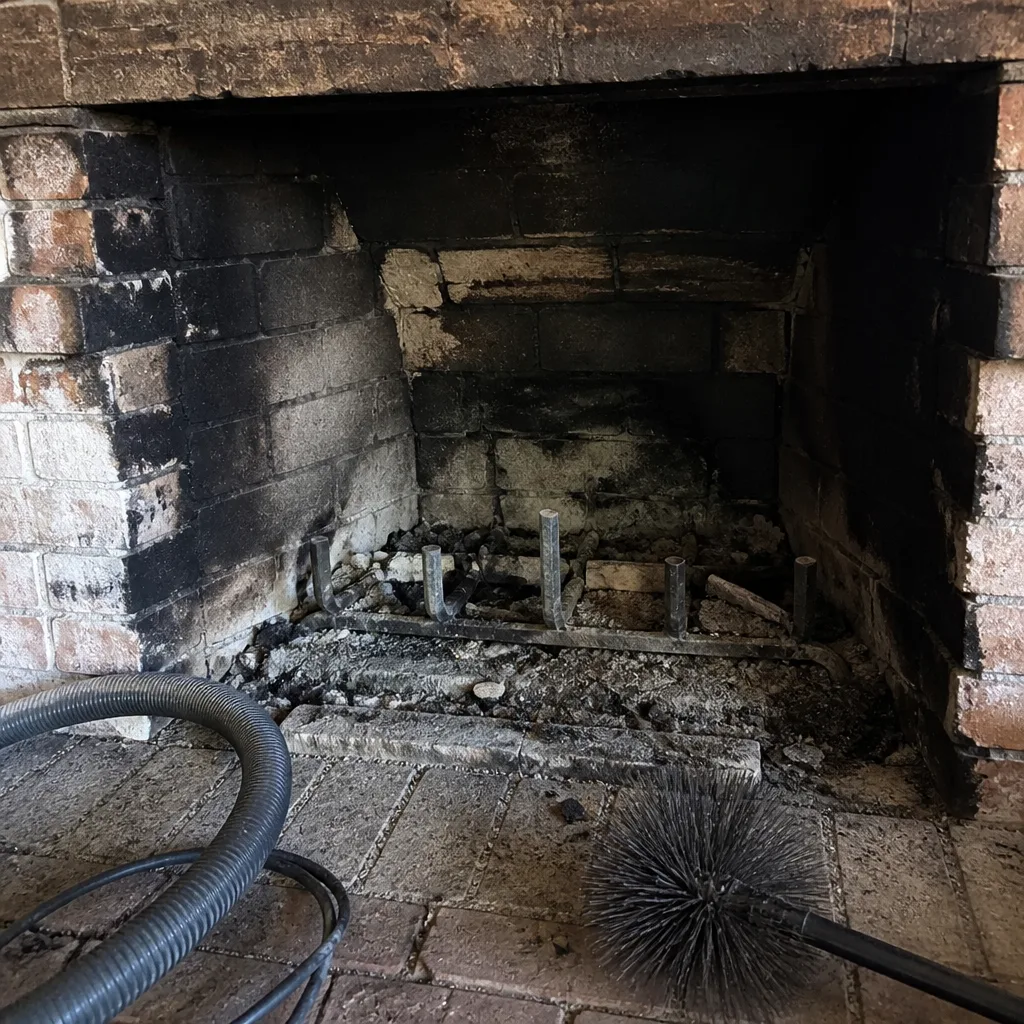 Before
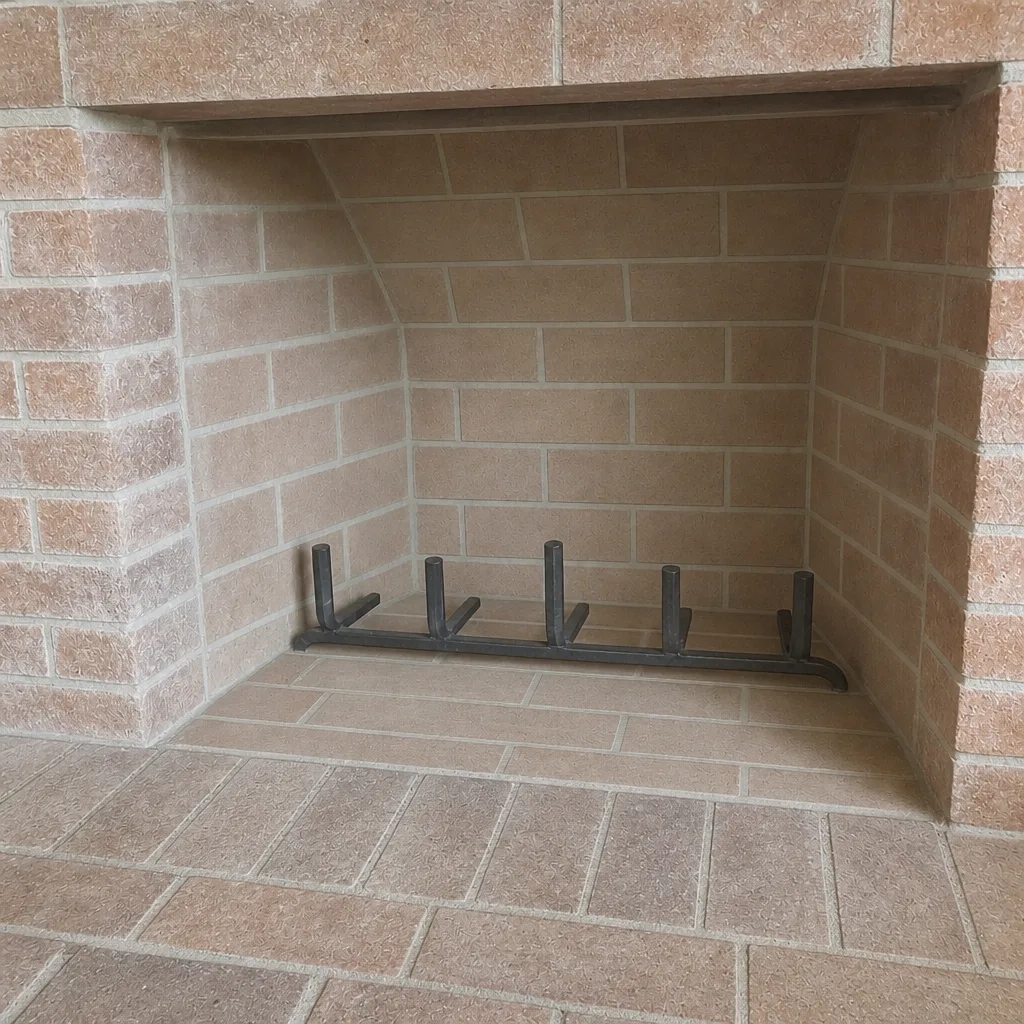 After
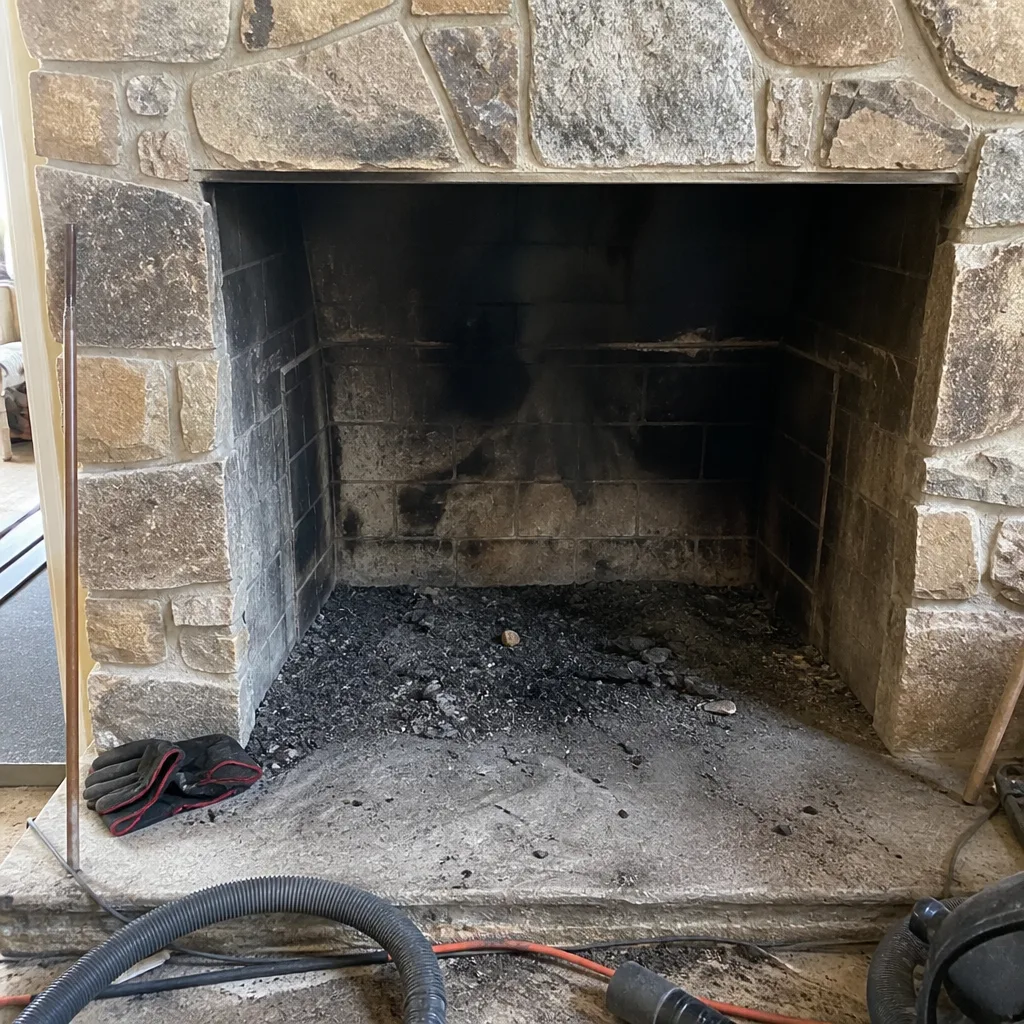 Before
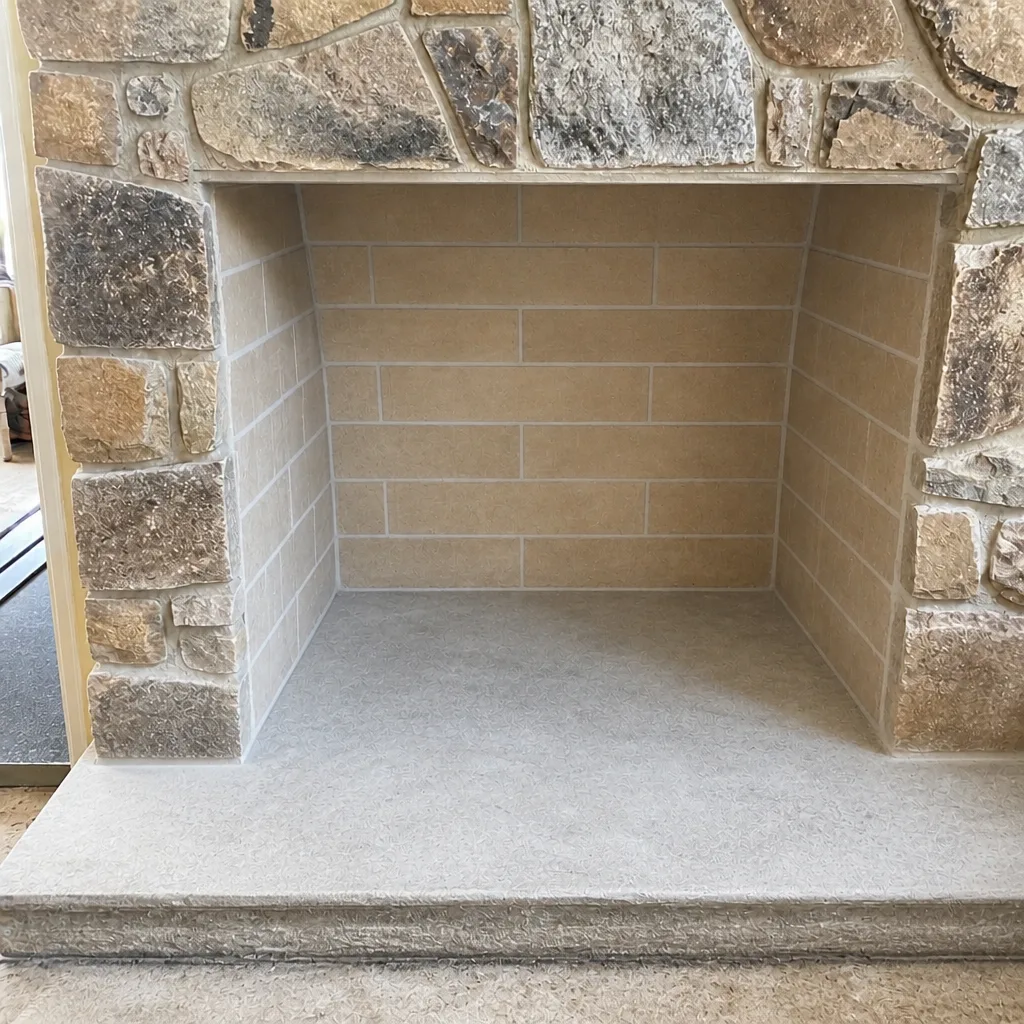 After
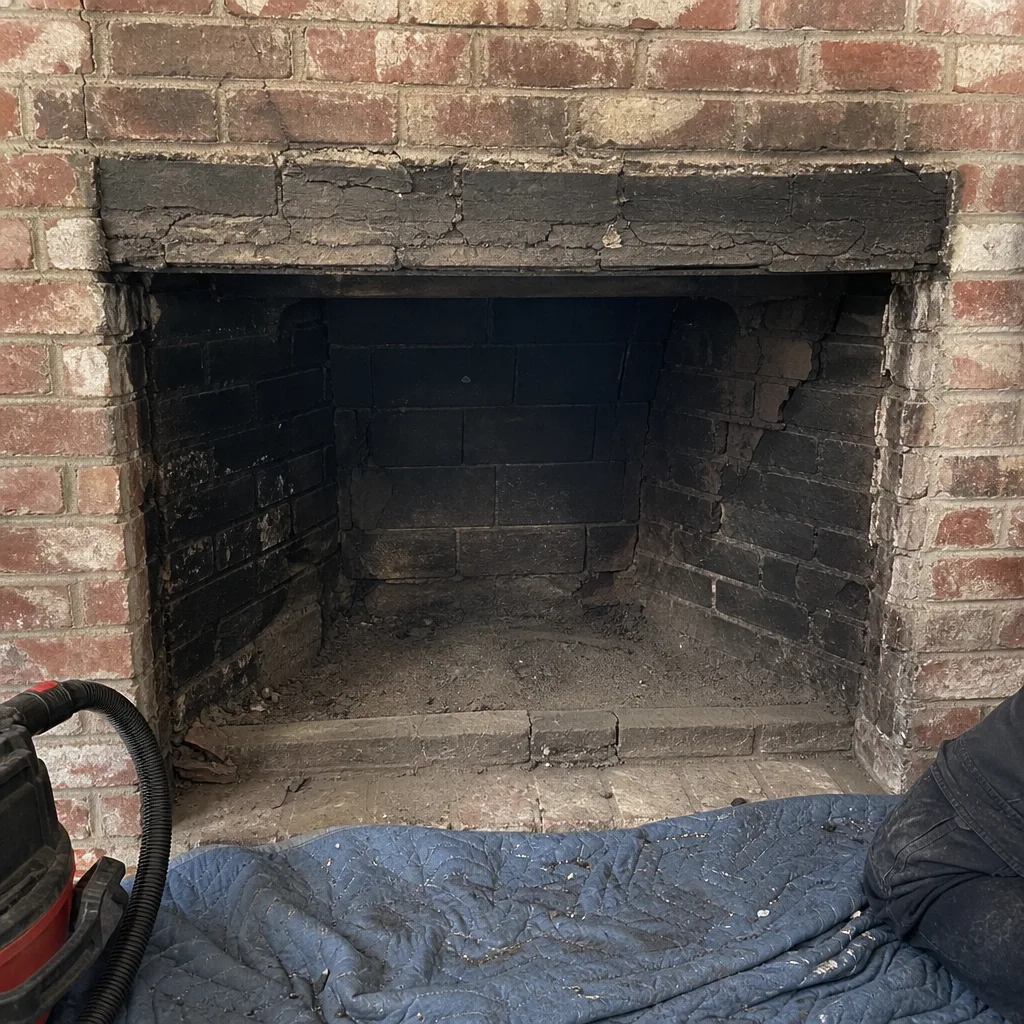 Before
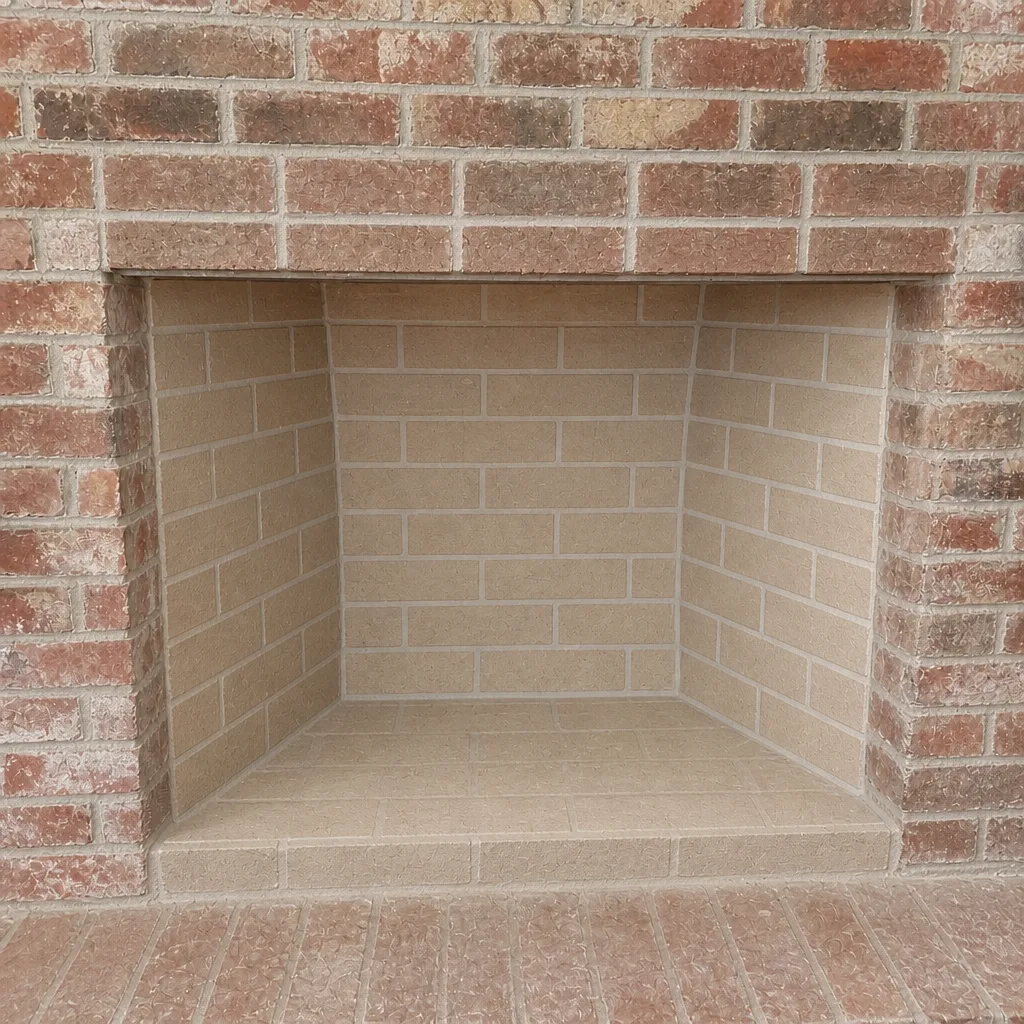 After
When to Call a Professional
Call a professional when a warning sign shows up or the calendar says it’s time. Smoke rolling back into the room, a strong creosote smell, a carbon monoxide alarm, or water stains on the smoke shelf are all reasons to book now rather than wait for the next scheduled visit. The annual sweep and inspection belong in late summer, before the season opens. And if it’s been longer than a year since the last full inspection, or you’ve never had one, that’s the moment to start the pattern rather than catch up later.
Some work is simply not a homeowner project. The flue, the crown and the structure of the chimney are places where a trained specialist matters, and the same is true of any liner or resurfacing decision. Chimney Sweep Westpark offers free estimates in Westpark – call (833) 468-5984. We answer 24/7. Fast dispatch from 7am to 7pm, Sunday through Friday.
Frequently Asked Questions
Once a year is the standard for a wood-burning fireplace, and in Westpark the best time is late summer, in the lead-up to burn season. If the fireplace sees heavy use through the season, or if burning has left heavy creosote in the past, more frequent checks may be warranted. A sweep and inspection each year keeps the calendar simple and catches problems before they grow.
Yes. A chimney that looks clean can still have damage inside the flue, a cracked crown, water intrusion, or a blocked cap, none of which show from the room. The inspection is about the parts you can’t see, and it’s the only way to know whether the sweep uncovered a problem. Sweep and inspection belong in the same visit.
It can. A chimney is a vertical opening, and when outside air is thick with ash during regional fire activity, some of it finds its way into the flue and smoke chamber. If you find soot in the off-season, include a sweep in the late-summer plan rather than waiting to see whether it matters. It doesn’t need to be alarming; it’s a reason to clean.
In many cases, yes. Not every flue that looks old needs a reline. The right answer comes from inspection, not guesswork. If the flue is sound, no liner work is needed. If it’s deteriorated or undersized, resurfacing with HeatShield can often restore it, and DuraFlex liners are used when a professional-grade reline is the right call. We tell you what we found before recommending anything.
Gas and zero-clearance fireplaces have their own schedules, and they aren’t on the wood-burning calendar. Their maintenance is about the venting, the firebox and the glass rather than a creosote sweep. Spring or early summer is a sensible time for the inspection, with any component replacement done in late summer before the season. An inspection confirms which kind of system you have if you’re unsure.
The manual speaks to the equipment; this guide speaks to Westpark’s climate. The system doesn’t change, but the timing does. The national calendar assumes a long, hard winter and a hard-stop October. Westpark has a mild winter and a compressed burn window, and the practical answer here is a late-summer sweep and inspection plus a spring check. The equipment rules still apply; the timing is ours.
The Bottom Line
Westpark’s climate doesn’t fit the national chimney calendar, and the fix isn’t complicated. Book the sweep and inspection in late summer, before the rush and before cure time gets tight. Use spring for the post-season work: ash removal, moisture checks, cap and crown inspection, and damper position. Check for pest nesting and wildfire ash in the off-season, and keep gas and zero-clearance fireplaces on their own schedule with a spring inspection. If a warning sign shows up, move off the calendar and call. A clean, inspected chimney is the single best thing you can do for fire safety and air quality in the home through the year.
Chimney Sweep Westpark works exclusively on chimney systems. Sweep, inspect, and repair in one visit, with findings explained plainly and pricing agreed before the work. Call (833) 468-5984 for a free estimate. We answer 24/7. Fast dispatch from 7am to 7pm, Sunday through Friday.
Written by the team at Chimney Sweep Westpark.