
Last updated November 24, 2026
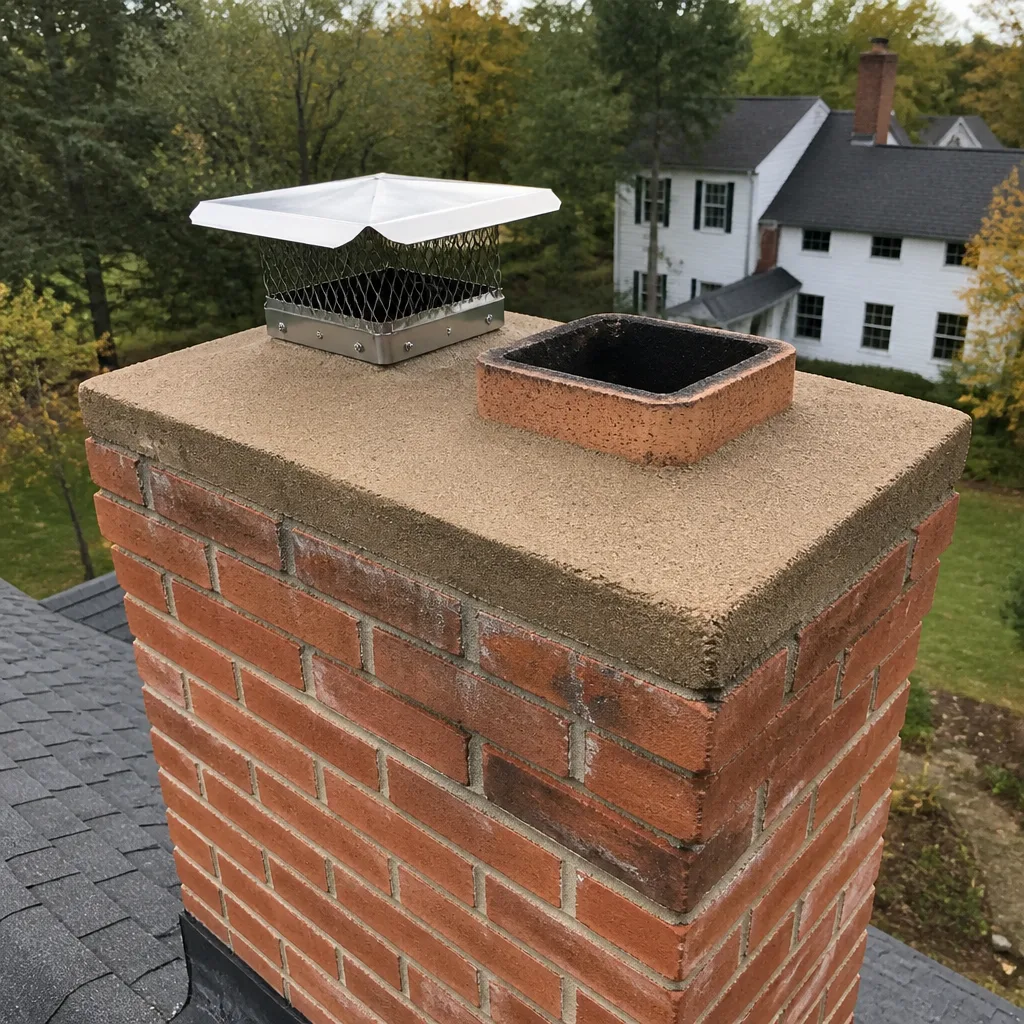 Sweep & inspection
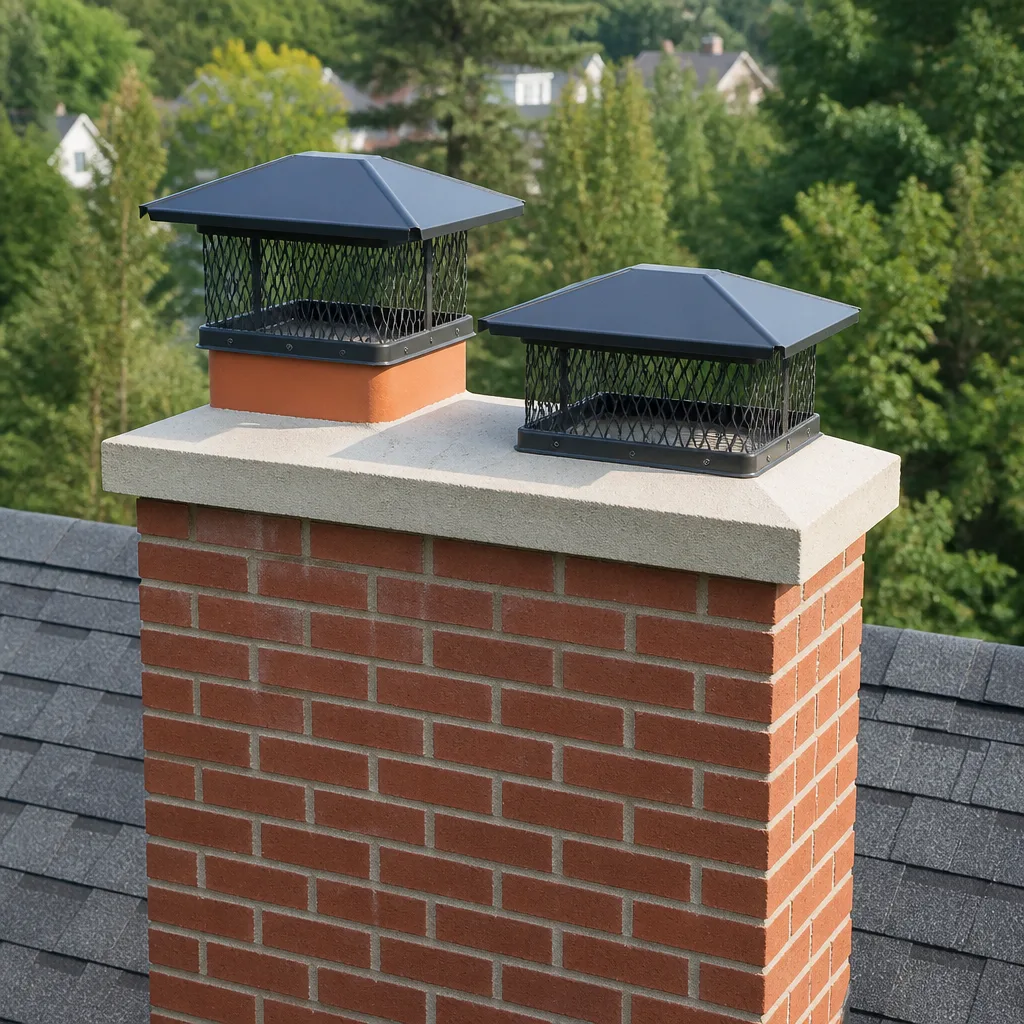 Caps & crowns
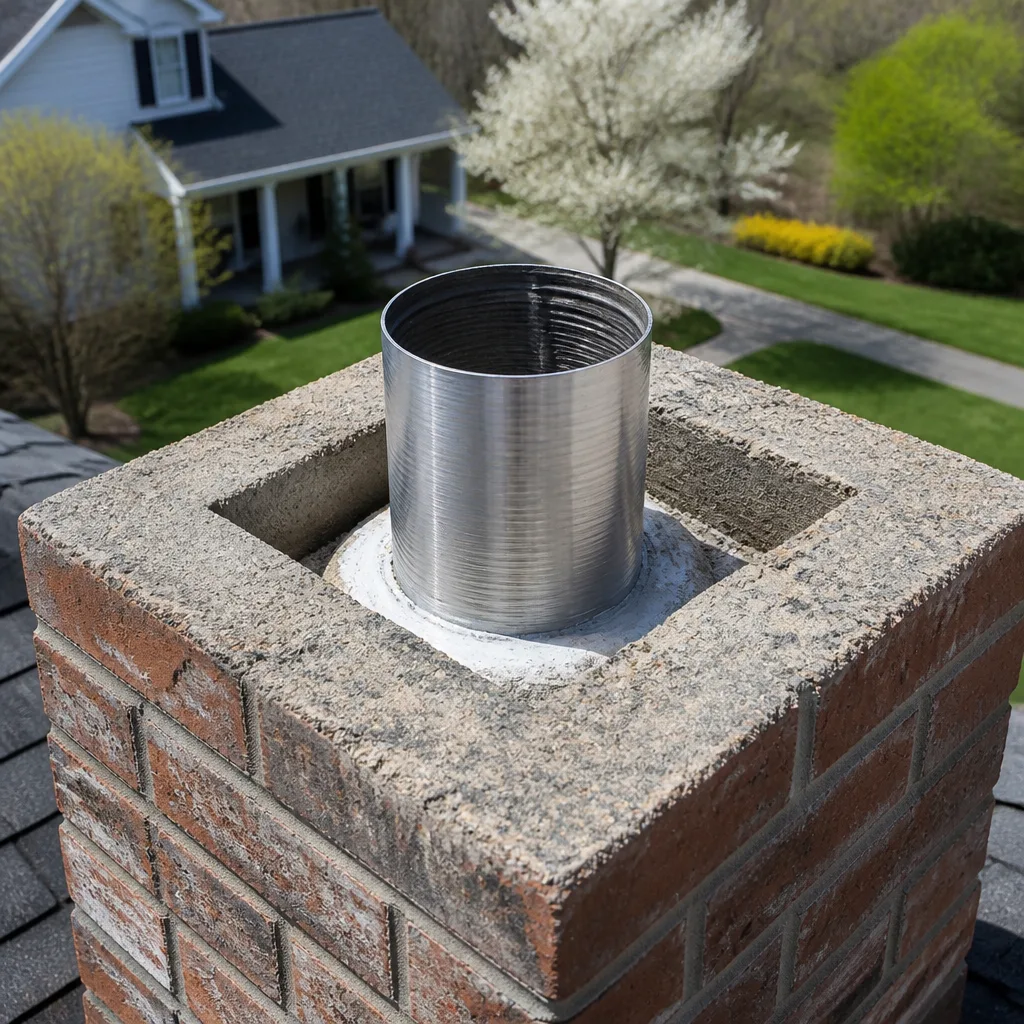 Flue relining
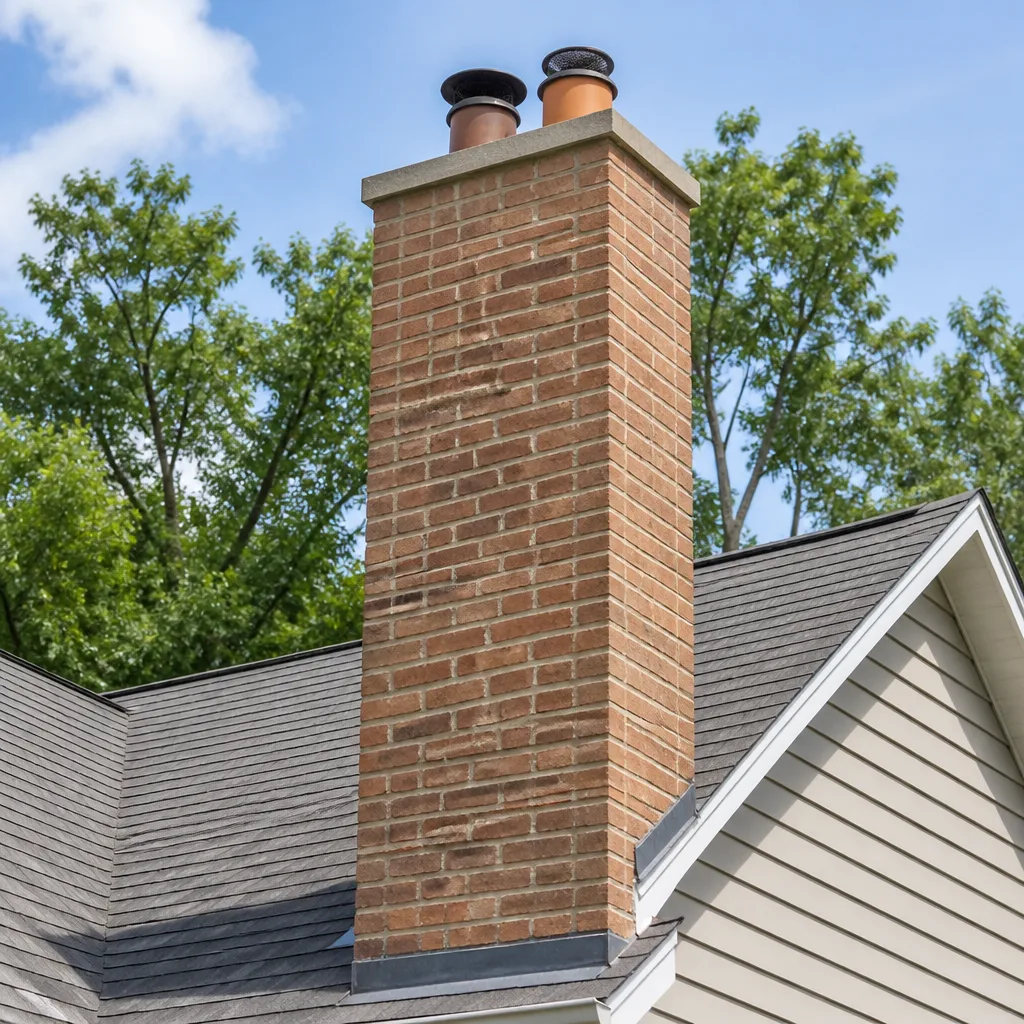 Masonry repair
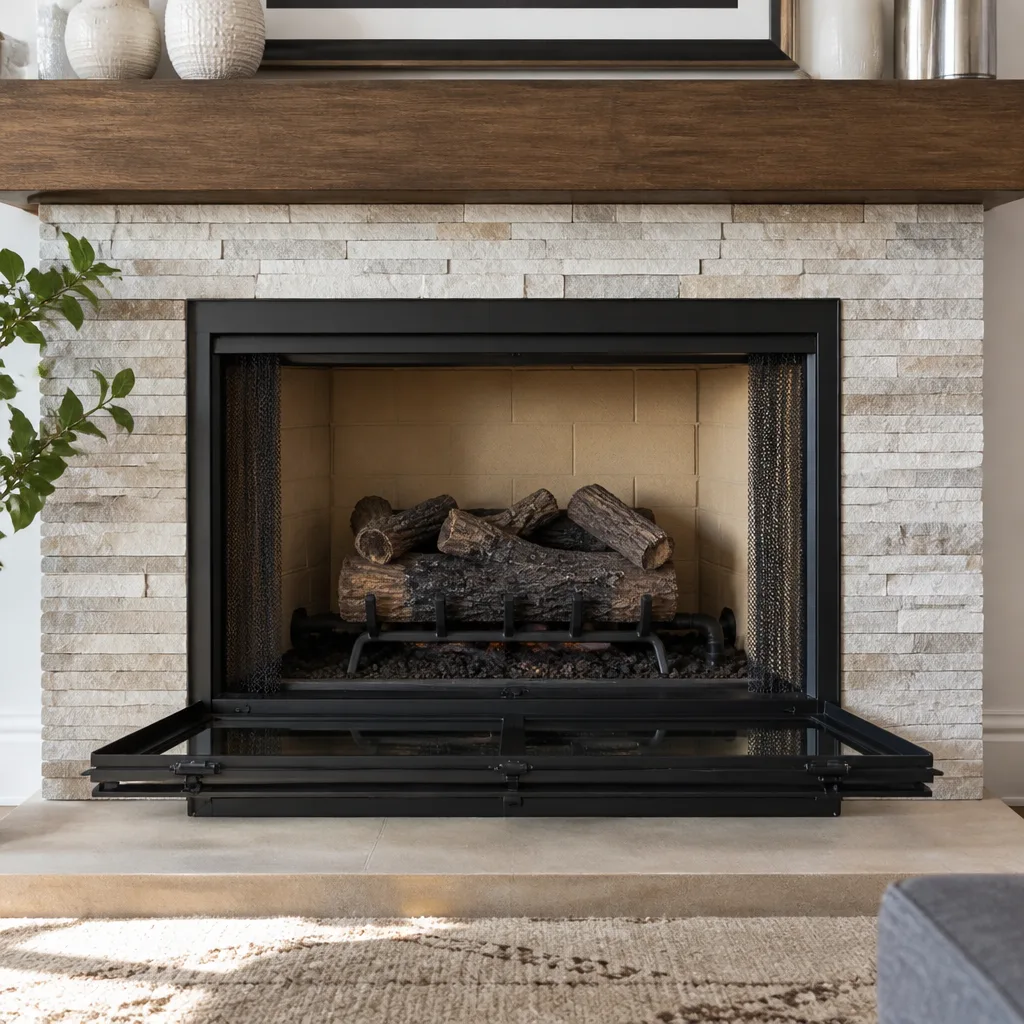 Gas fireplace service
Level 1 sweep and inspection to the NFPA 211 annual standard - flue, crown, cap, and flashing checked and photographed
Chimney sweep logs do not sweep chimneys. They loosen some creosote - which then falls where a brush and vacuum still have to collect it.
Chimney Cleaning Warning Signs: A Westpark Homeowner’s Reference Guide
A strong campfire smell in a closed-up house in July isn’t a cleaning problem. It’s a draft problem, and sweeping the flue won’t fix it. That single example captures what goes wrong with most chimney advice: homeowners are told to watch for symptoms, then handed a brush. But symptoms don’t tell you what to do. They tell you where to look. This guide works backward from the signs you can actually notice in a Westpark home (odors, smoke behavior, staining, sounds) to the underlying condition that’s producing them, so you know whether you’re facing a cleaning, a repair, or both. It’s the reference we wish every homeowner had before calling anyone.
Styles & brands we work with
- Sweep & inspection
- Caps & crowns
- Flue relining
- Masonry repair
- Gas fireplace service
Quick Answer
The main chimney cleaning warning signs in a Westpark home are an acrid or petroleum-like odor, smoke spilling into the room instead of drafting up, dark staining on the firebox or exterior masonry, white powdery deposits on brick, and any rumbling or ticking sound during or after a fire. Each sign points to a specific cause: creosote buildup, a draft reversal, water infiltration, or a past chimney fire. Matching the sign to the cause is what determines whether you need sweeping, repair, or a full inspection before either.
Table of Contents
- Symptom-to-Cause Diagnostic Table
- Odor: Creosote Versus Mold
- Smoke Spillage and Draft Reversal
- Staining Inside and Out: What Location Tells You
- White Efflorescence: A Structural Warning
- Sounds and Subtle Signs of a Past Chimney Fire
- Cleaning, Repair, or Both? How to Decide
- Common Mistakes to Avoid
- When to Call a Professional
- Frequently Asked Questions
Symptom-to-Cause Diagnostic Table
The fastest way to understand a chimney warning sign is to map it to the condition it most likely represents. The table below is the reference we use when a Westpark homeowner describes a problem over the phone. It’s not a substitute for a camera inspection, but it narrows the field before anyone arrives, which saves time and usually money.
| What You Notice | Most Likely Cause | What It Usually Means |
|---|---|---|
| Acrid, petroleum-like smell, especially in warm weather | Creosote buildup in the flue | Needs sweeping; buildup has reached a stage where odor escapes into the house |
| Musty, earthy, damp smell | Moisture intrusion and mold growth | Needs inspection for water entry; sweeping alone won’t solve it |
| Smoke rolls into the room on lighting | Draft reversal or blockage | Could be a blockage, a sizing issue, or a pressure problem in the house |
| Dark staining on the firebox face | Smoke spillage, poor draft | Points to a draft or sizing issue more than a cleaning issue |
| White powdery deposits on exterior brick | Water infiltration through the masonry | Structural warning; often appears after a rainy season |
| Rumbling or ticking sound during a fire | Possible past chimney fire | Requires inspection before the chimney is used again |
| Rust on the damper or firebox metal | Long-term moisture exposure | Points to a cap or crown problem letting water in |
Notice that only two of these seven signs point to cleaning as the primary fix. The rest point to repair, drafting, or structural work. That’s the core lesson of this guide: in our experience, most homeowners assume a dirty chimney is behind every problem, when in fact the majority of warning signs we’re called about in Westpark trace back to draft, water, or past fire damage rather than soot alone.
Odor: Creosote Versus Mold
The type of smell is the single most useful clue a homeowner can report, because creosote odor and mold odor sound similar in conversation but require completely different interventions. Learning to tell them apart is worth two minutes of your attention.
Creosote odor: acrid and petroleum-like
Creosote is the tar-like residue left behind when wood burns incompletely. When it builds up in the flue, it gives off a sharp, bitter, almost chemical smell. It’s strongest in warm weather, when the house is closed and the chimney isn’t drafting air up and out. That’s exactly why the July campfire smell is a dead giveaway. The chimney isn’t dirty in the sense of a little soot. It’s coated in a substance that off-gasses into the living space when the stack goes quiet. This is a cleaning problem, and the fix is a proper sweep. Left long enough, creosote in its glazed form is also the fuel that feeds a chimney fire, which is why we treat it seriously.
Mold odor: musty and earthy
A musty, damp, basement-like smell is not creosote. It’s moisture, and where there’s moisture in a chimney, there’s usually mold. That smell points to water entering the system through a missing or failed rain cap, a cracked crown, or deteriorated masonry joints. Sweeping the flue does nothing for mold, because the mold isn’t the problem; the water is. You can clean the flue today and the smell will return after the next rain. The real fix is finding and sealing the water path, which is a repair and inspection job, not a cleaning job.
Here’s how to make the call yourself:
- Note when the smell is strongest. Warm, closed-up days point to creosote.
- Note whether the smell tracks with rain. If it intensifies after wet weather, think moisture and mold.
- Look for rust on metal components and white deposits on brick. Both support the moisture theory.
- Get an inspection with a camera before deciding. The inside of the flue tells the story in a way smell alone can’t.
Either way, you need service. The mistake is assuming the fix is the same. It isn’t. One is a cleaning, the other is a repair, and treating a moisture problem as a cleaning problem just delays the water damage. When you’re ready to sort out which one you have, a chimney sweep that also inspects is the right starting point.
Smoke Spillage and Draft Reversal
Smoke that spills into the room instead of going up the flue is one of the most common complaints in Westpark, and it’s routinely misdiagnosed. Homeowners tend to assume a blockage. Sometimes that’s true. But a blockage is only one of three causes, and the other two don’t go away with a sweep.
Cause one: an actual blockage
Nests, leaves, broken tile pieces, or a collapsed liner section can physically block the flue. When that happens, smoke has nowhere to go but out into the room. This is a cleaning or repair issue depending on what’s blocking and where. It also tends to be abrupt: the fireplace worked fine, then it didn’t.
Cause two: a sizing problem
A flue that’s too large or too small for the firebox won’t draft reliably. This is especially common in Westpark homes where a fireplace was retrofitted into existing construction, because the flue was sometimes added to fit the space rather than sized to match the fire. A flue that’s too big cools the smoke before it can rise; one that’s too small can’t move the volume. Either way you get spillage, and no amount of sweeping fixes a mismatch. This is where relining with a properly sized flexible liner system matters, which is the kind of work we handle with products from DuraFlex and Olympia Chimney.
Cause three: draft reversal
Draft reversal is the tricky one, and it’s a pressure problem, not a chimney problem. A house that’s tightly sealed, or one with strong exhaust fans pulling air out, can create negative pressure that overpowers the chimney and pushes smoke back down. You’ll often notice it on windy days, on startup, or when the kitchen or bath fans are running. The tell is that the fireplace misbehaves in specific conditions rather than all the time.
To distinguish the three, note these patterns:
- Spills all the time, worse over time: leans toward a blockage or buildup.
- Spills on startup, then settles: leans toward draft reversal or a cold flue.
- Spills only in wind or with fans running: strongly suggests negative pressure and draft reversal.
- Never drafted well since a retrofit: points to a sizing problem.
Getting the cause right matters because a Westpark homeowner who sweeps for a sizing problem will be back on the phone within weeks. An inspection with a camera and an honest assessment of the whole system gets you to the real answer.
Staining Inside and Out: What Location Tells You
Where a stain appears tells you almost as much as what it looks like. Stains are the chimney’s way of recording history, and reading the location correctly is a skill worth having.
Staining at the firebox face
Dark, sooty staining on the face of the firebox and the surrounding masonry usually means smoke has been spilling forward rather than drafting up. That’s a draft or sizing issue, and it ties directly back to the previous section. It’s a sign of how the system behaves, not how dirty it is.
Staining on the ceiling or wall above
Staining above the fireplace opening points to a leak at the chimney-to-house connection or a failing flashing detail letting water track down. That’s a water problem, and it needs to be found before it rots framing. This is repair territory, not cleaning.
Staining on exterior masonry
Dark streaks on exterior brick can be soot escaping from a cracked flue, or they can be water tracking. Location and texture separate them. Soot streaks are usually vertical and concentrated near the top or around a joint. Water staining is broader and often comes with the white deposits covered in the next section. Either way, exterior staining on a Westpark chimney is worth an inspection, because a cracked flue liner is a safety issue, not a cosmetic one.
What staining does not tell you
A clean-looking firebox doesn’t mean a clean flue. Soot accumulates in the flue long before it shows up in the room, and many of the South Bay’s mild winters mean a fireplace can go a full season without obvious interior staining while still building creosote up top. We don’t rely on what a homeowner can see. We rely on the camera, and we show you what it finds.
White Efflorescence: A Structural Warning
Those white, powdery patches on exterior brick are the warning sign most often dismissed as cosmetic, and that’s a mistake. Efflorescence is a structural signal, and understanding it tells you a lot about how long water has been getting into your chimney.
What efflorescence actually is
Efflorescence is salt drawn to the surface of masonry by water. When water moves through brick and mortar, it dissolves salts inside the material and carries them outward. When the water evaporates off the surface, it leaves the salts behind as a white, chalky deposit. The powdery deposit itself is harmless. What put it there is not. Water is moving through your chimney’s masonry, and it’s been doing that long enough to dissolve and deposit salts.
Why it’s a timing clue
Efflorescence is useful because it tells you water infiltration is ongoing, not a one-off event. A single heavy rain doesn’t usually leave visible efflorescence. Repeated wetting and drying does. So when you see it, you’re looking at a pattern, not an accident, which means the source (a failed crown, a missing cap, cracked mortar joints, or a bad flashing detail) has been active long enough to matter. The longer water moves through masonry, the more it degrades mortar and, in cold spells, spalls brick from the inside as trapped moisture expands.
What to do about it
Don’t seal over efflorescence and call it fixed. Sealing traps the problem and pushes the water to find a new path. The right approach is to find the entry point, repair it, and let the masonry dry properly. That usually means inspecting the crown, cap, flashing, and joints. A crown that’s cracked or a cap that’s missing or loose is a common culprit, and repairing a chimney cap & crown early is far cheaper than rebuilding the stack later.
Why this matters in Westpark
Westpark’s climate is mild, which lulls homeowners into thinking their chimneys are safe from weather damage. Mild doesn’t mean dry, though, and the rainy season does its work slowly. Efflorescence shows up months after the water started entering, which is why we treat it as a sign to inspect now rather than note for later.
Sounds and Subtle Signs of a Past Chimney Fire
Here’s the part most homeowners never hear about: a chimney fire can happen without the homeowner ever seeing flames, hearing an alarm, or knowing it occurred. Many chimney fires are slow, smoldering events that consume creosote inside the flue and then go out. The chimney survives, but the damage is real, and the next fire in that chimney can be far more dangerous because the flue is already compromised.
Sounds to listen for
During or shortly after a fire, listen for a low rumbling, a distant roaring like a freight train, or a ticking and popping sound. Those can indicate a chimney fire in progress or one that’s just occurred. If you hear them, stop using the fireplace and get the chimney inspected before your next fire.
Subtle signs you may have missed one
Because many chimney fires go unrecognized, the evidence often turns up during an inspection. Watch for these:
- Puffy, honeycombed creosote inside the flue. This is creosote that has been through a fire and expanded.
- Warped or discolored damper or other metal components showing heat distortion.
- Cracked or spalled flue tiles, which a hot fire can damage without breaking through.
- Smoke escaping through cracks in the flue, visible as staining on the exterior or in the attic.
- A strong burnt smell after a fire that lingers longer than usual.
- Creosote falling back into the firebox as flaky pieces.
None of these are a diagnosis on their own. Together they justify an inspection. The reason this matters for safety is straightforward and accurate: a cracked flue tile or a damaged liner can let heat and combustion gases, including carbon monoxide, reach the framing of the house. That’s a hazard worth ruling out, not to sell you anything, but because the consequences of missing it are serious. If a past fire is suspected, we inspect before recommending any repair, and we show you what we find.
Cleaning, Repair, or Both? How to Decide
The decision to clean versus repair hinges on one question: is the problem in the flue’s contents or in the flue itself? Cleaning addresses what’s coating the inside. Repair addresses the structure and the path of air and water. Most warning signs fall clearly into one bucket, and a few need both.
Signs you likely need cleaning
- The smell is acrid or petroleum-like, especially in warm weather.
- You’ve burned a full season or more since the last sweep.
- You’re seeing soot in the firebox but no visible structural issues.
Signs you likely need repair
- The smell is musty, or it tracks with rain.
- White efflorescence on exterior masonry, or rust on metal parts.
- Smoke spills because of a sizing or pressure problem, not a blockage.
- Cracked flue tiles, warped components, or other signs of a past fire.
- A cap that’s missing, loose, or rusted through.
When it’s both
Plenty of chimneys need a sweep and a repair. A flue full of creosote sitting behind a cracked crown needs both problems addressed. This is one of the practical reasons we favor the HeatShield resurfacing system: when a flue is damaged but structurally intact, resurfacing can restore it without tearing the chimney down. It’s a repair that avoids the cost and disruption of demolition, and it’s part of why we can tell a homeowner what they actually need rather than what’s easiest to quote.
The honest position we take with every Westpark customer is this: we tell you exactly what we found and exactly what it costs to fix it. If the work can safely wait until next season, we say so. If it can’t, we explain why and show you the camera evidence. A fireplace repair is sometimes the smaller, smarter fix; sometimes the whole system needs attention. You deserve to know which, and to see the reason.
Common Mistakes to Avoid
- Assuming every smell means the chimney needs sweeping. A musty odor points to water and mold, and sweeping leaves it unsolved. Match the smell to the cause before booking.
- Treating smoke spillage as a blockage by default. Sizing and draft reversal are just as common, particularly in Westpark homes where fireplaces were retrofitted. Get the whole system assessed, not just the flue.
- Painting over or sealing efflorescence. Sealing traps moisture and pushes it deeper into the masonry. Find and fix the water path instead.
- Ignoring rumbling or ticking sounds after a fire. Those can signal a chimney fire that’s already done damage. Stop using the fireplace and get an inspection.
- Hiring whoever shows up with a brush. A generalist can sweep a flue but can’t assess draft, sizing, or structural damage. Chimneys are a trade of their own; ask whether the person you call works on them exclusively.
- Putting off cap and crown repairs because they’re “up top.” A missing cap or cracked crown lets water in, and water is the start of efflorescence, rust, and rotted framing. It’s cheaper now than later.
- Skipping the camera inspection to save a few dollars. You can’t verify a recommendation without seeing the flue. Insist on a camera inspection and a photo report, and be wary of anyone who won’t show you.
When to Call a Professional
Call a professional if you notice any of the following: an acrid or musty odor that won’t clear, smoke spilling into the room, white efflorescence on exterior brick, rust on metal components, rumbling or ticking during a fire, or dark staining above the firebox. Also call if it’s simply been a full burning season since your last sweep, or if you’ve never had the system inspected. These aren’t DIY situations, and for good reason: the inside of a chimney can’t be assessed by eye from the hearth, and some of the most serious damage, like a cracked flue tile or the early signs of a past fire, hides exactly where you can’t see it. Chimney Sweep Westpark offers free estimates in Westpark and can inspect, sweep, and repair in one visit. Call (833) 468-5984. We answer 24/7. Fast dispatch from 7am to 7pm, Sunday through Friday.
Frequently Asked Questions
A routine chimney sweep in Westpark is typically quoted as a flat price per job, set by a written estimate before any work begins, and the price depends on the system: a straightforward wood-burning flue is different from a gas insert or a chimney that needs repair. The estimate is free, and you’ll know the number before we book. Call (833) 468-5984 for an exact quote; estimates are free.
Most wood-burning fireplaces should be swept about once a year, or sooner if you burn heavily. Gas fireplaces don’t build creosote the same way but still need periodic inspection. The honest answer for any specific chimney depends on what’s actually in the flue, which a camera inspection settles quickly. Call (833) 468-5984 to book an inspection.
Not always. A liner is needed when the existing flue is cracked, deteriorated, undersized for the firebox, or compromised by a past fire, because those conditions let heat and gases reach the house framing. If the flue is sound, cleaning and resurfacing may be enough. The camera shows what’s happening, and we show you the footage. Call (833) 468-5984 to find out what your flue actually needs.
A summer smell is usually creosote off-gassing in a closed-up house, because the chimney isn’t drafting warm air up and out the way it does when you’re burning. A musty smell instead points to moisture. The fix depends on which, and the two need different service. Call (833) 468-5984 and describe the smell; that helps us tell which.
Creosote builds up in layers and, in its glazed form, can fuel a chimney fire that damages the flue. Beyond fire risk, a blocked or undersized flue can push smoke and combustion gases, including carbon monoxide, back into the room. Skipping a sweep doesn’t cause immediate problems, but the risk grows with each season. Call (833) 468-5984 before your next burning season.
A past chimney fire often leaves clues, not obvious ones: puffy, honeycombed creosote, warped metal, cracked flue tiles, or smoke staining near the top of the chimney. If you’ve heard rumbling or ticking during or after a fire, treat it as a reason to inspect. We check for these signs on every inspection and show you what we find. Call (833) 468-5984 to book an inspection.
The Bottom Line
Warning signs are symptoms, and symptoms point to causes. On a Westpark chimney, the cause is often not what the first symptom suggests: creosote odor and mold odor look similar but need different fixes; smoke spillage is as often a sizing or pressure problem as a blockage; white efflorescence on the brick records water that’s been entering for a while; and a chimney fire can happen without you ever knowing. The way to get it right is to inspect before you decide, see the camera evidence for yourself, and let the findings set the price, not the other way around. Sweep, inspect, and repair handled by one specialist in a single visit. Chimney Sweep Westpark is a dedicated chimney service company with technicians who have up to 15 years of experience, and we work exclusively on chimneys. Call (833) 468-5984 for a free estimate. We answer 24/7. Fast dispatch from 7am to 7pm, Sunday through Friday.
Written by the team at Chimney Sweep Westpark.
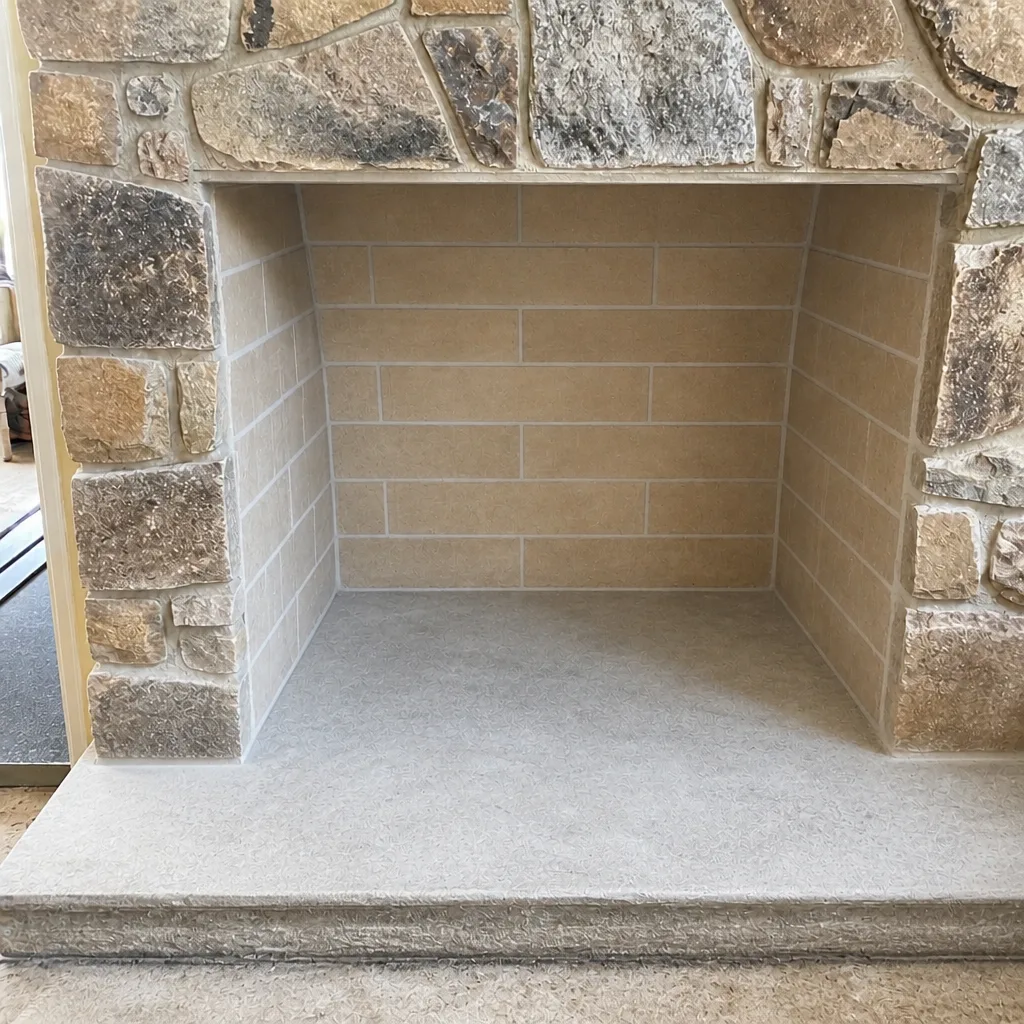
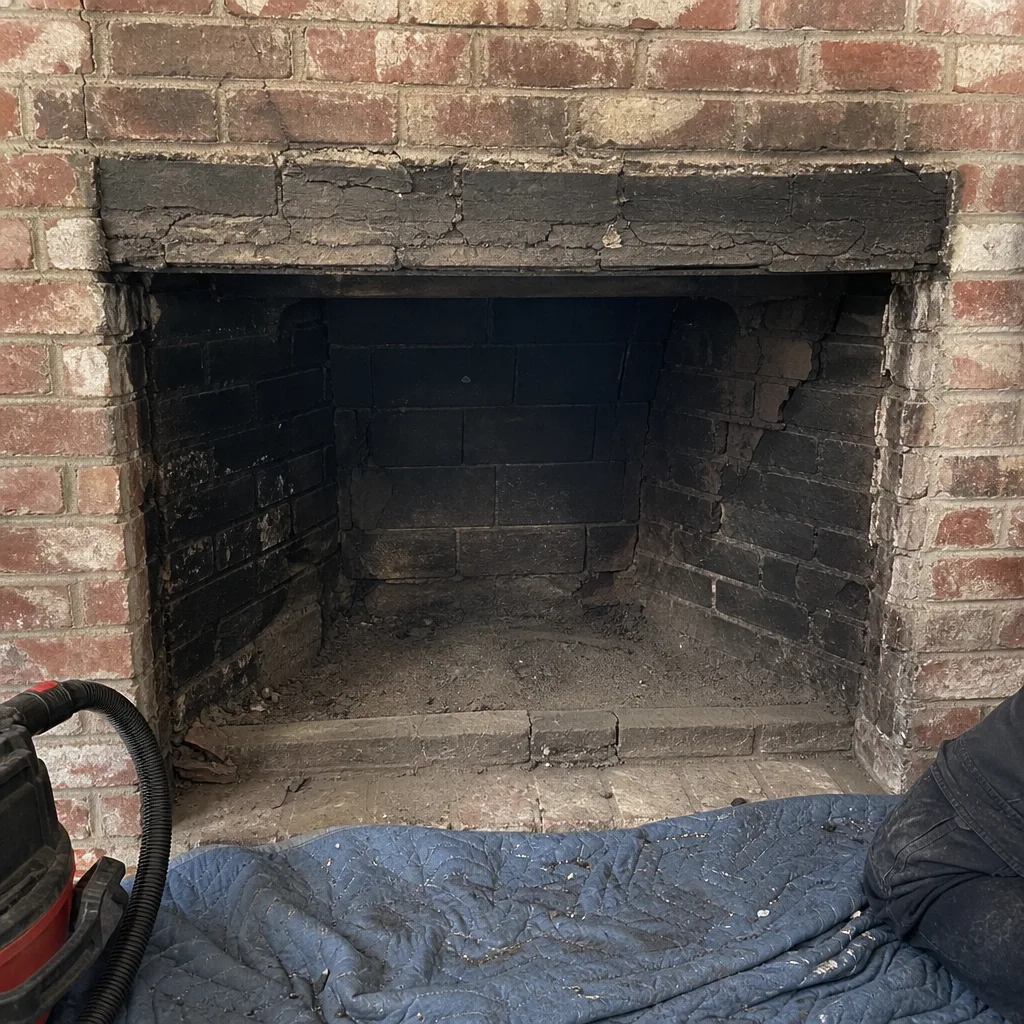
See the difference
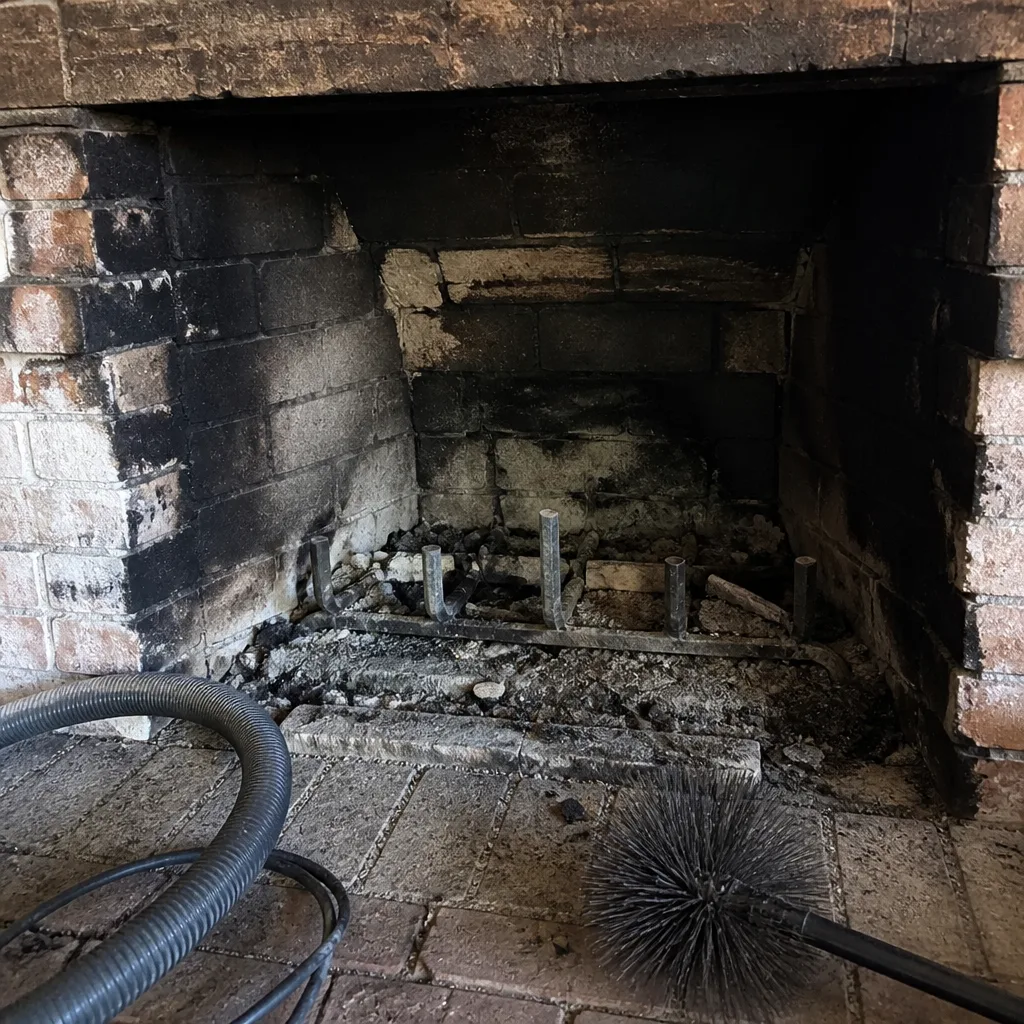 Before
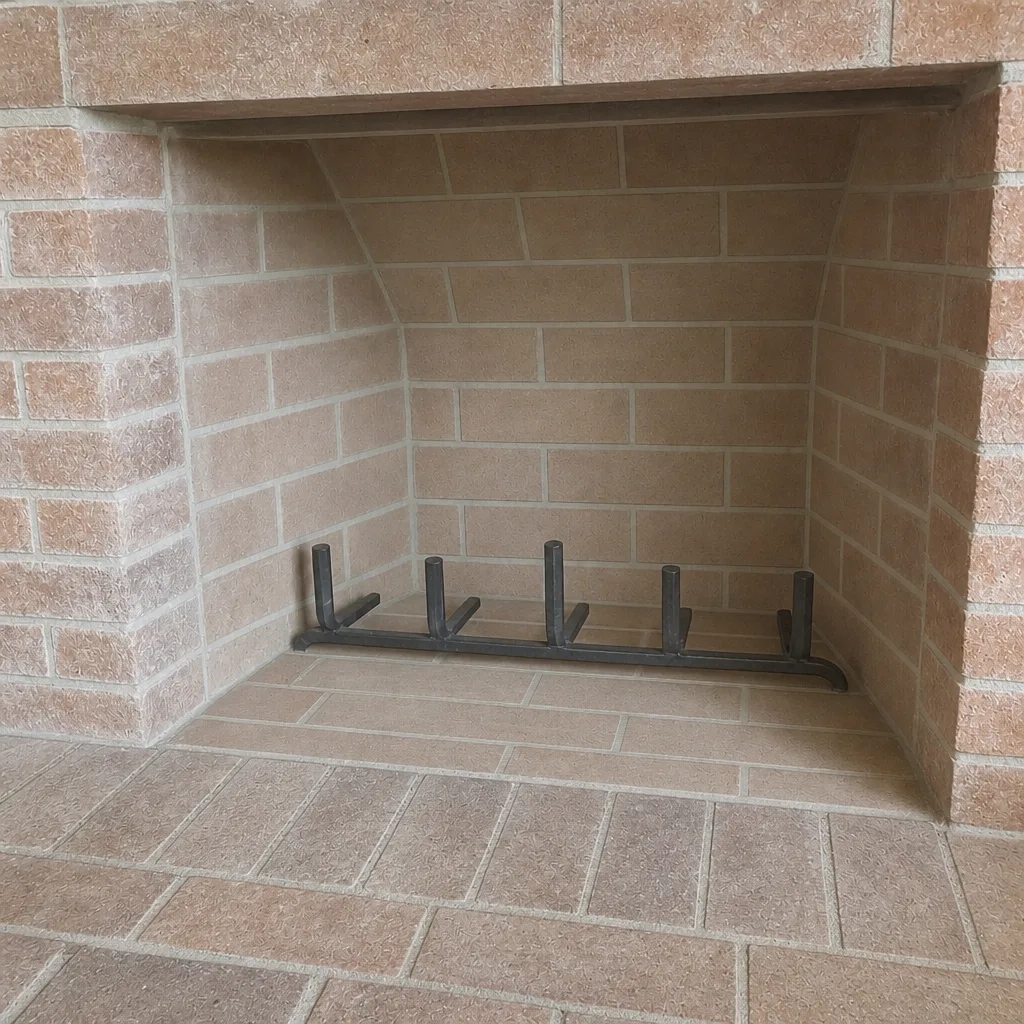 After
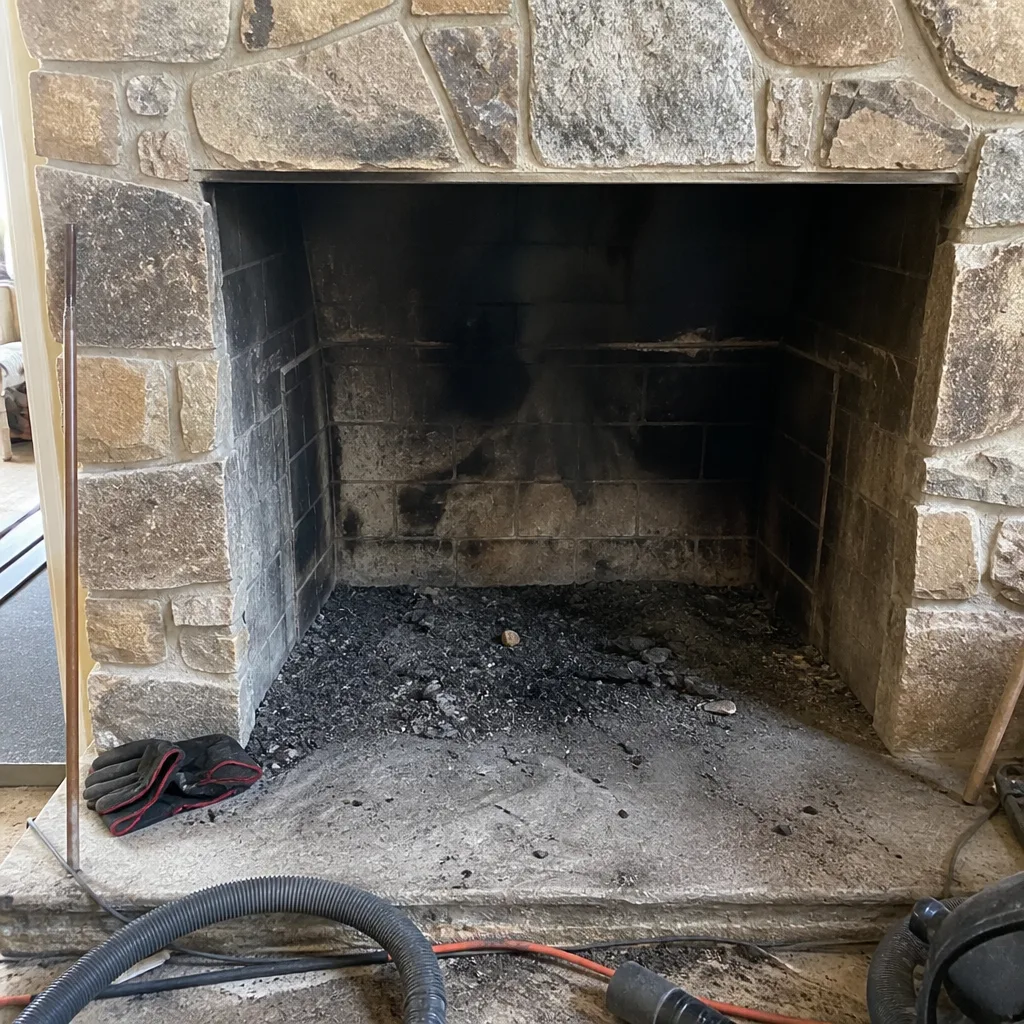 Before
 After
 Before
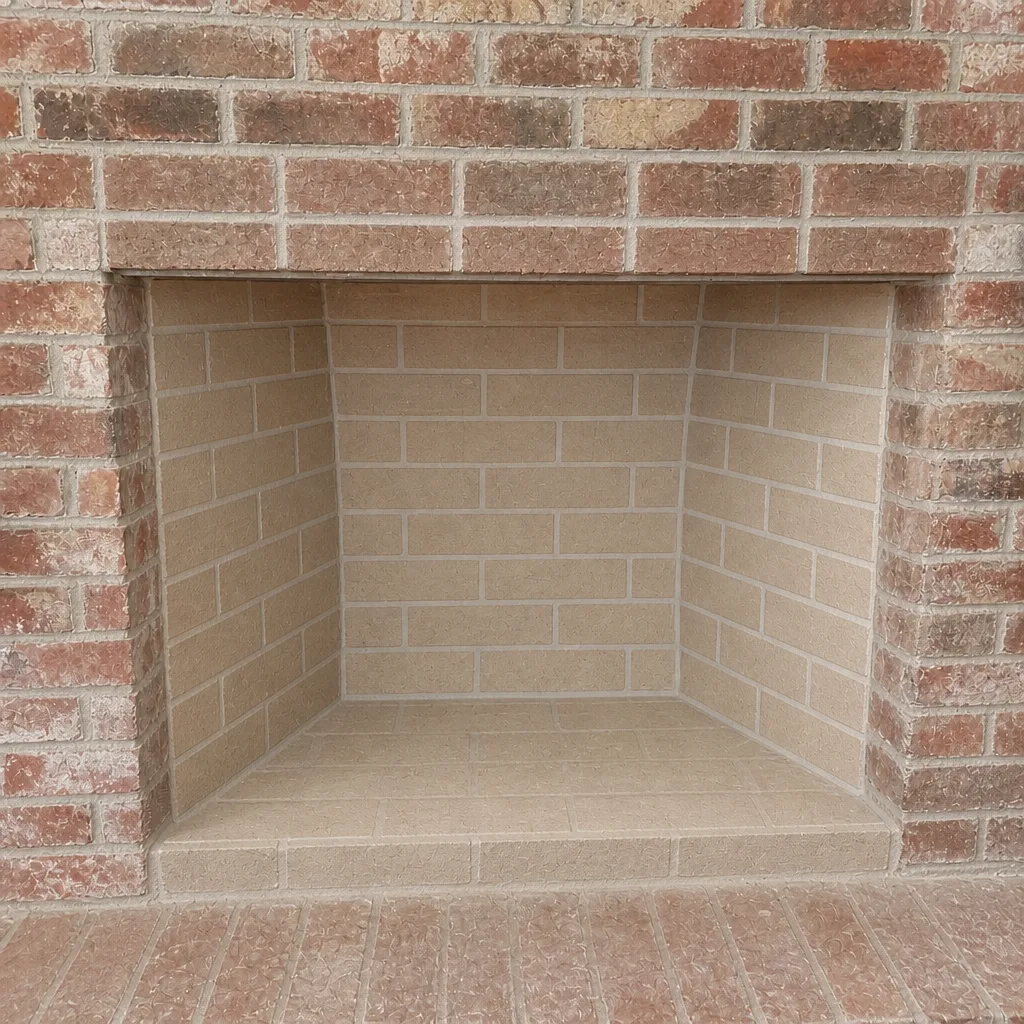 After