
Last updated November 24, 2026
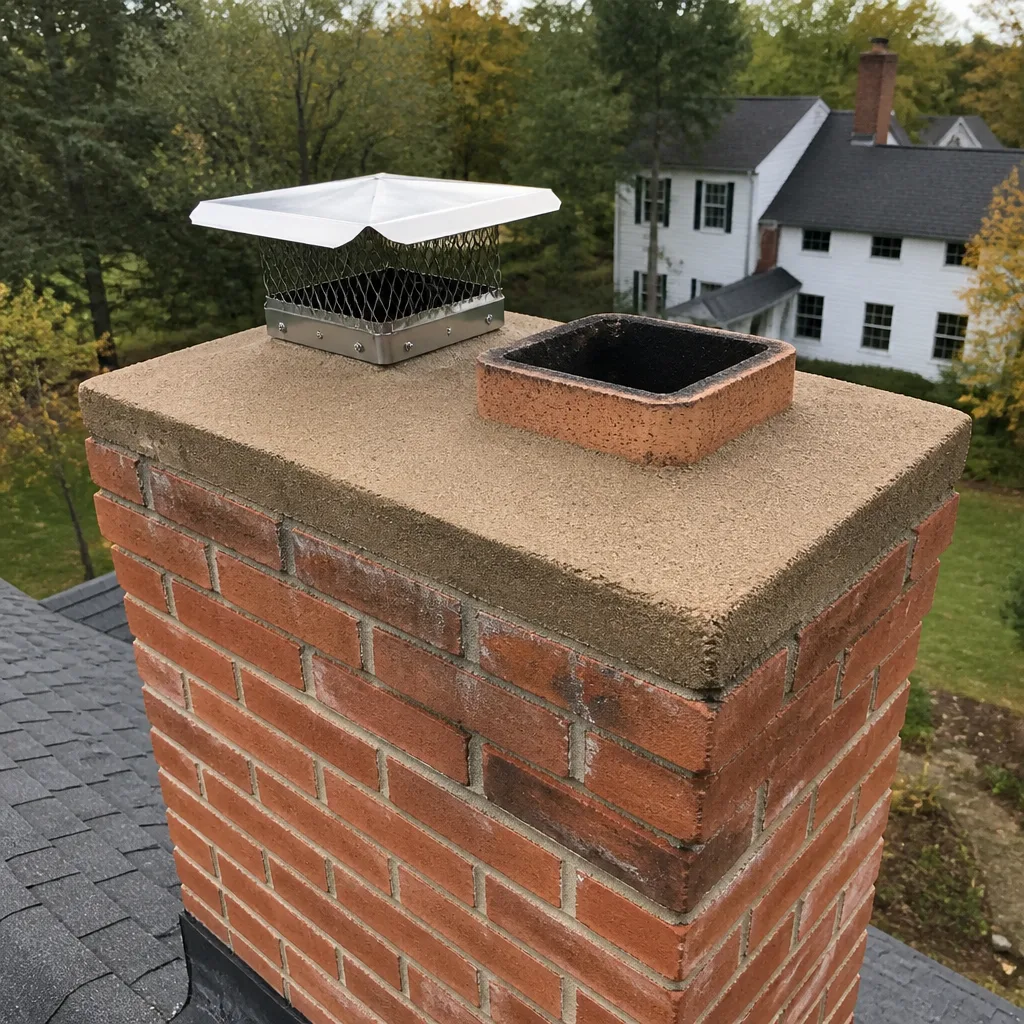 Sweep & inspection
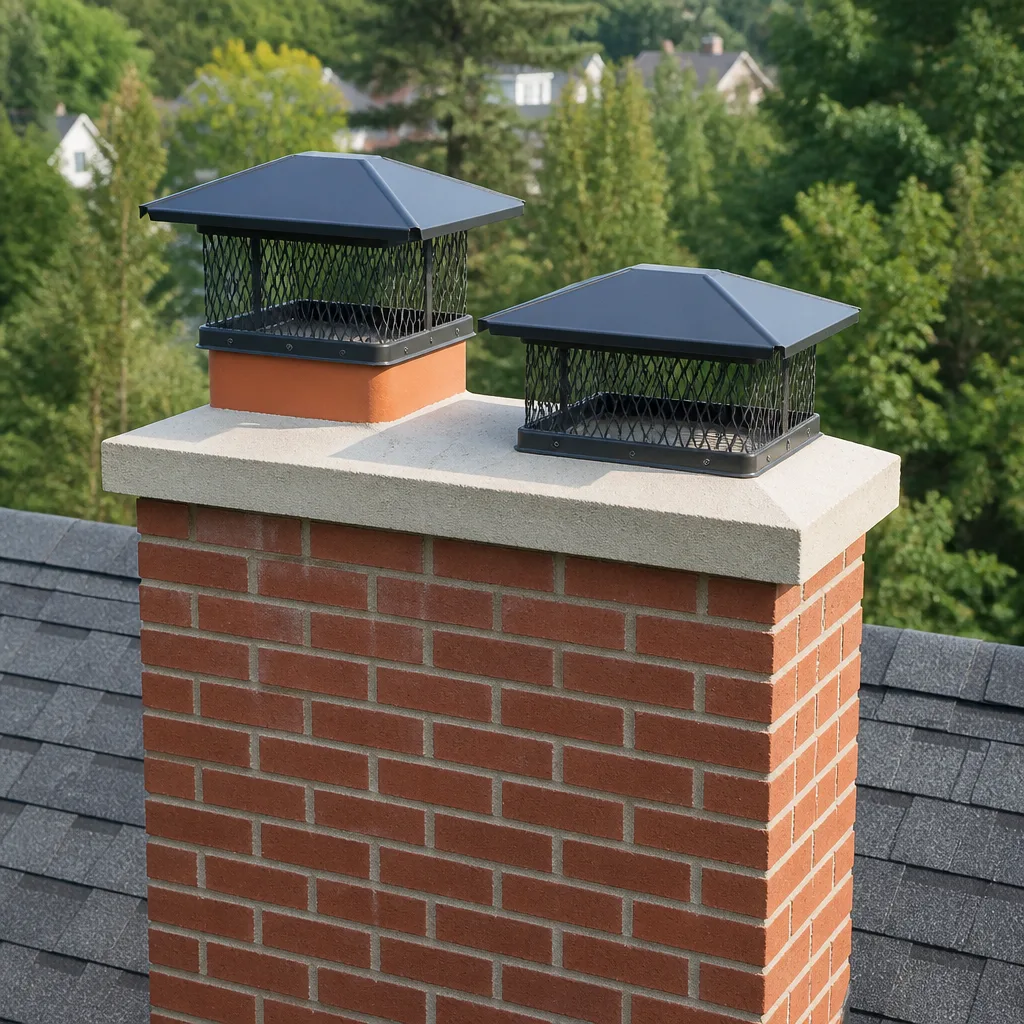 Caps & crowns
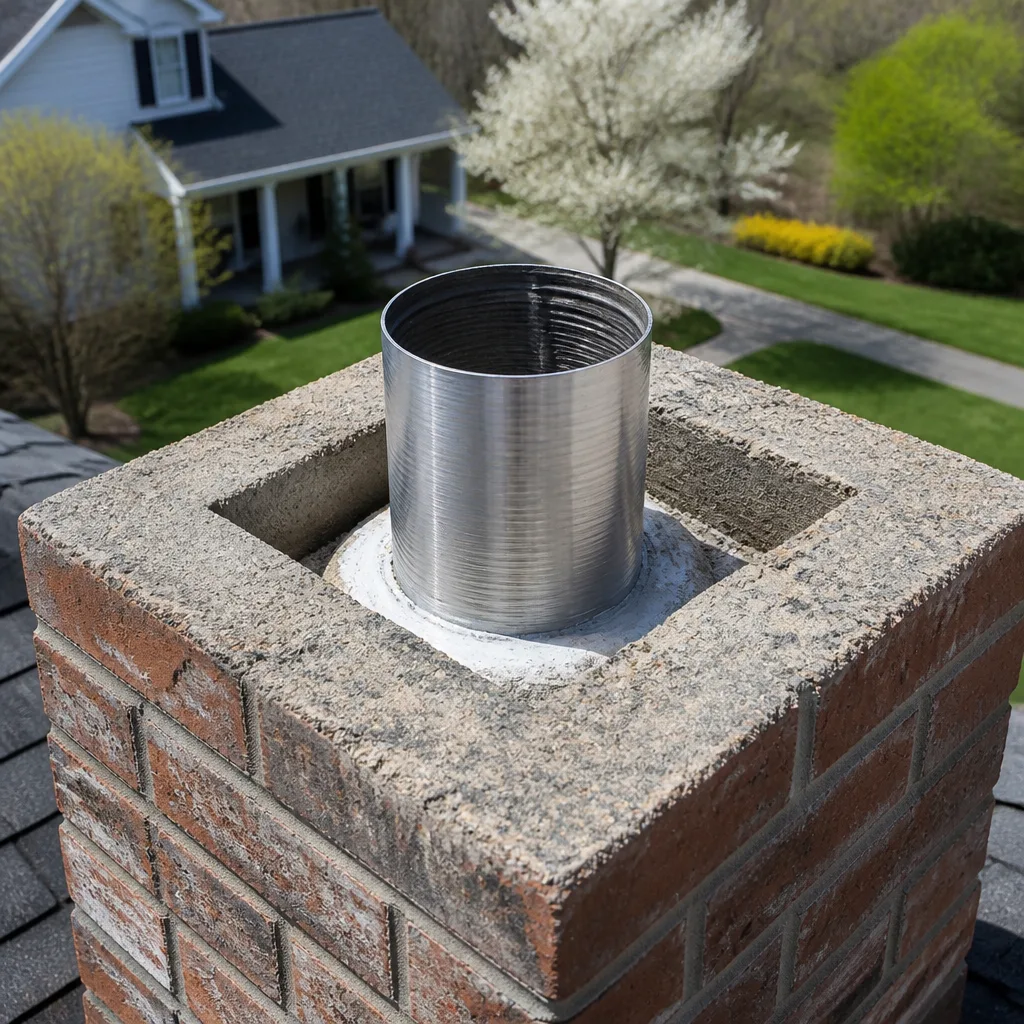 Flue relining
 Masonry repair
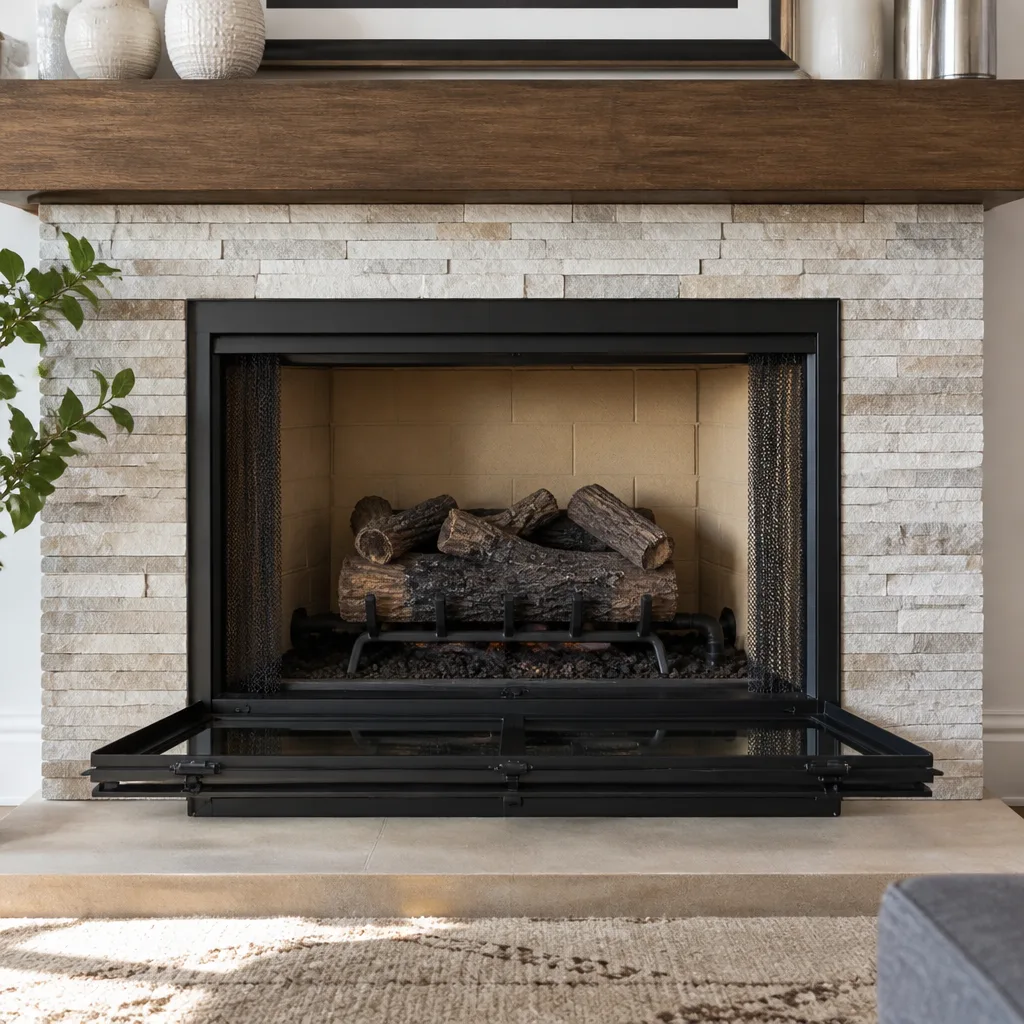 Gas fireplace service
Level 1 sweep and inspection to the NFPA 211 annual standard - flue, crown, cap, and flashing checked and photographed
Chimney sweep logs do not sweep chimneys. They loosen some creosote - which then falls where a brush and vacuum still have to collect it.
Chimney Cleaning Permits, Codes & Inspections in Westpark, CA: What You Need to Know
Here’s the part most Westpark homeowners don’t hear until it’s too late: a routine chimney cleaning doesn’t require a permit, but a relining job done without one can void your homeowner’s insurance coverage for fire damage. Your insurer won’t mention that when you sign the policy. They’ll mention it when you file a claim and the adjuster asks for the permit record on the liner replacement. The line between cleaning and repair is exactly where Westpark homeowners get caught off guard, because the two look almost identical on an invoice. This guide walks through what actually crosses from maintenance into alteration under California Building Code, how Westpark and county rules layer on top, what a real inspection report contains, and what unpermitted work costs to fix. By the end you’ll know which chimney jobs need paperwork and which are just a sweep and a signature.
Quick Answer
In Westpark, routine chimney sweeping and annual inspections do not require a permit, but any work that alters the chimney structure or flue system does: liner replacement, firebox reconstruction, chase repair, and new appliance installations all fall under California Building Code permit requirements. Your local Westpark or county building department has the final say on what’s required for your specific property, so confirm current rules before work begins. A code-compliant inspection report documents the chimney’s condition in writing and is increasingly requested during California home sales.
Styles & brands we work with
- Sweep & inspection
- Caps & crowns
- Flue relining
- Masonry repair
- Gas fireplace service
Table of Contents
- Where Maintenance Stops and Alteration Begins
- What California Building Code Requires for Chimney Work
- How Westpark and County Jurisdiction Layer on Top
- What a Code-Compliant Inspection Report Looks Like
- Why Inspections Matter for California Home Sales
- Air Quality and Burn-Day Rules That Affect Chimney Work
- How Unpermitted Chimney Work Gets Discovered
- What Remediation Actually Costs
Where Maintenance Stops and Alteration Begins
The single most useful distinction in chimney regulation is the one between maintenance and alteration. Maintenance keeps a system working as it was built. Alteration changes the system. California Building Code treats the second category very differently, and that’s the fork in the road for every Westpark homeowner deciding whether to pull a permit.
Here’s how the split usually falls:
- Maintenance (no permit): sweeping creosote and soot from the flue, removing blockages, replacing a damaged cap with a like-for-like cap, minor crown patching that doesn’t change the structure, and annual visual inspections.
- Alteration (permit typically required): installing a new liner or replacing a deteriorated one, rebuilding the firebox, repairing or reconstructing the chimney chase, changing flue size, adding or removing a flue, installing a new wood stove or insert, and any work that changes how the chimney vents.
The tricky cases live in the gray zone. HeatShield resurfacing, for example, restores a damaged flue from the inside without tearing down the chimney, and whether it reads as repair or alteration depends on the scope and your local jurisdiction. A crown rebuild on a chimney that’s leaning is structural. A crown patch on a chimney that’s sound is maintenance. The difference isn’t cosmetic; it determines whether the work gets inspected by the building department and whether it’s documented in your property record. In our experience, the homeowners who get surprised are the ones who assumed “repair” always meant “no permit.”
When in doubt, ask before the work starts. A five-minute call to your building department beats a five-figure insurance dispute three years later.
What California Building Code Requires for Chimney Work
California Building Code governs chimney construction and alteration statewide, and it sets the baseline every Westpark chimney job has to clear. You don’t need to memorize the code sections, but you should understand the categories of work it covers.
The code addresses chimney clearance from combustibles, flue lining requirements, and the structural integrity of the chimney itself. A few practical takeaways for Westpark homeowners:
- Flue liners must be continuous and appropriate to the appliance. A deteriorated liner isn’t grandfathered, and a relining job has to bring the flue into compliance with current requirements, not just patch the problem.
- Clearances from combustible materials matter. If a chimney is too close to framing or roofing, that’s a code issue, and it’s one of the reasons a proper inspection looks at more than the flue interior.
- Appliance installations carry their own requirements. A new wood insert or gas appliance has venting specs the manufacturer and the code both set, and skipping the permit usually means skipping the inspection that would have caught a mismatch.
- Structural alterations require engineering when the scope demands it. A chimney rebuild that changes load paths is not a maintenance item.
The code is the floor, not the ceiling. Local amendments add requirements on top, and those are what we cover next. What matters for now is that the code draws a clear line between keeping a chimney working and changing a chimney, and most permit problems in Westpark start with a homeowner who didn’t know which side of that line their project was on.
How Westpark and County Jurisdiction Layer on Top
California sets the baseline, but Westpark and the surrounding county set the actual process. Permit applications, inspection scheduling, and final sign-off all run through local building departments, and their requirements can be stricter than the state code or more specific about documentation.
Before any chimney alteration begins in Westpark, work through this checklist:
- Confirm which department handles your address. Properties within city limits and properties in unincorporated county areas can be different jurisdictions with different forms and timelines.
- Ask what documentation the application needs. Many chimney permits require a scope of work, product specs for the liner or appliance, and sometimes a diagram of the existing flue configuration.
- Ask whether the work triggers an inspection before close-out. Most structural and relining permits do. That inspection is a feature, not a hurdle; it’s the record that protects you later.
- Keep the permit number and final inspection sign-off with your home records. This single document is worth more than any invoice when you sell.
Because local requirements change, we always tell Westpark homeowners to verify current rules directly with the building department rather than relying on what a neighbor’s contractor did two years ago. What was accepted then might not be now. A quick call to the department, or a look at their current permit application forms, tells you exactly what’s expected for your address.
The one constant: any work that alters the flue or chimney structure should be permitted, inspected, and documented, no matter which jurisdiction signs off.
What a Code-Compliant Inspection Report Looks Like
An inspection report is only as useful as the evidence behind it. A proper chimney inspection documents what the technician saw, how they saw it, and what condition each component is in. The inspection itself follows a recognized level structure, and the report should reflect that.
A thorough report typically includes:
- The inspection level. A Level 1 covers readily accessible portions during routine service. A Level 2 adds a video scan of the flue and is the standard for real estate transactions and appliance changes. A Level 3 opens concealed areas when a hazard is suspected.
- Photographic or video evidence. Interior flue images, crown and cap condition, firebox condition, and the exterior chimney chase. You should be able to see what the inspector saw.
- Clear conditions and recommendations. Not just “flue needs work” but what specifically was found, what it affects, and what the options are.
- Defect documentation. Cracks, gaps in the liner, missing mortar joints, deteriorated crown, and any clearance concerns.
- A written conclusion. Whether the chimney is safe to use, needs repair before further use, or is due for follow-up inspection.
What a report should not do is recommend thousands of dollars of work without showing you the evidence. In our experience, homeowners’ real hesitation isn’t the cost, it’s being told they need a liner or masonry repair they can’t verify. Camera footage solves that. If the technician can’t show you the problem, ask to see it before you agree to anything. A chimney that’s safe to use with a scheduling note for next year should be labeled that way, plainly.
For more on what happens during these visits, our guide to a chimney sweep walks through what to expect on the day.
Why Inspections Matter for California Home Sales
Most California real estate transactions now involve documented chimney condition, and Westpark is no exception. Buyers and their agents want the chimney assessed before closing, and lenders and insurers increasingly want the paperwork. A report from a qualified chimney specialist is fast becoming standard practice rather than a nice-to-have.
If you’re selling a Westpark home with a fireplace or wood-burning appliance, expect the following:
- A Level 2 inspection is the usual request. It includes a video scan of the flue, which gives the buyer’s side a real look at the interior condition.
- Unpermitted alteration will surface. If the liner was replaced without a permit, a diligent buyer’s inspection can flag it, and the sale can stall while you sort out the paperwork.
- Documented maintenance supports the price. A clean report showing recent sweeping and a sound liner is a negotiating asset. A report showing deferred repair is a negotiating liability.
The reverse is also true. If you’re buying in Westpark, ask for the most recent inspection report before you waive any contingencies. If none exists, budget for a Level 2 inspection before your first burn. It’s the only way to know what you’re buying without opening a wall or tearing out a liner to look.
Inspections aren’t just a transaction cost. They’re the record that protects you if the chimney becomes a dispute years later.
Air Quality and Burn-Day Rules That Affect Chimney Work
Air quality rules in the Westpark area affect what appliances can be installed or replaced during a chimney service, and this is one part of the code puzzle most homeowners don’t think about until it comes up. Burn-day regulations and appliance rules exist to reduce smoke during periods when air quality is already under pressure, and they can affect what you’re allowed to install.
Practically, this means:
- Appliance replacements may need to meet current emission standards. That can limit older wood stove models and shape what’s acceptable to install in a Westpark home.
- Burn-day restrictions can affect how you use the fireplace. Knowing when restrictions apply helps you plan burning rather than discovering the rule the hard way.
- Chimney service should include a check against current appliance rules. When we replace or repair an appliance or flue system, we make sure the installation stays compliant with the rules in force now, not the ones that applied when the home was built.
Because air quality regulations evolve, we tell every Westpark homeowner to confirm current burn-day rules with the local air quality authority before making appliance decisions. Where we come in is the physical system: the liner, the cap, the appliance connection, and the appliance installation itself. Those have to be both code-compliant and compatible with the appliance rules. We handle the chimney side and point you to the right source for the air quality side.
For the physical components that keep the system closed and weather-tight, our chimney cap & crown work covers the top of the system where most water intrusion starts.
How Unpermitted Chimney Work Gets Discovered
Unpermitted chimney work isn’t hidden indefinitely. In practice, it surfaces in three predictable ways, and knowing them tells you why a permit is worth the small hassle.
- A home sale inspection. A buyer’s inspector or the buyer’s chimney specialist reviews the flue, the liner, the appliance, and the chimney structure. Missing permits show up as inconsistent installations, unsealed penetrations, or a liner that doesn’t match the appliance.
- An insurance claim after a fire. If the cause traces to the chimney, the insurer investigates the installation. Unpermitted work can give the insurer grounds to limit or deny coverage for the fire damage.
- A neighbor complaint or code enforcement visit. Smoke, visible structural issues, or a work complaint can bring a code enforcement officer who asks to see permits, and the process then unwinds from there.
Each of these paths leads to the same place: the work has to be brought into compliance, which usually means a new permit, an inspection of the existing work, and sometimes repair or replacement to get the installation into code.
The most expensive version is the fire claim. Fire damage from a chimney-related cause is exactly the scenario where a missing permit turns into a coverage dispute, because the insulation is often the difference between “our insured’s contractor made a mistake” and “our insured approved unpermitted alteration of the system.” That’s the conversation you don’t want to have after a loss.
What Remediation Actually Costs
Costs for correcting unpermitted chimney work depend on what was done, how it fails code, and whether the chimney has to be opened to inspect it. We don’t publish a fixed figure because every job is different, and the written estimate always sets the final price. What we can do is outline the categories so you know what you’re comparing.
- Filing and inspection costs. Bringing the work into compliance usually starts with a new permit application, a scope of work, and a scheduled inspection. That’s a small, predictable cost compared to the rest.
- Repair to bring the installation into code. If a liner was installed without proper support or connections, it may need to be re-seated or replaced. If the firebox was rebuilt without a permit, the department may require that it be opened and verified.
- Full replacement in serious cases. If unpermitted work created a hazard or used materials that can’t be verified, replacement is sometimes the only compliant path. A HeatShield or DuraFlex relining solution can restore a flue without a tear-down in many cases, which keeps the cost and disruption far lower than a full chimney rebuild.
- Remediation before a sale. Much of the cost here is time. If the work is caught at inspection, closing timelines can shift to wait for permit sign-off, so getting it done first usually saves more than it costs.
Here’s the honest part: many unpermitted installations aren’t dangerous. They’re just improper in the paperwork sense, and the fix is documentation and a small amount of rework. But you can’t know which case you’re in without an inspection that shows the actual condition. That’s the whole reason we push camera evidence, and it’s why nothing we recommend comes without a photo report you can read for yourself.
If any of this sounds like your situation, or you’re not sure whether a prior owner left something behind, it costs nothing to find out. Call (833) 468-5984. We answer 24/7. Fast dispatch from 7am to 7pm, Sunday through Friday.
Common Mistakes to Avoid
- Assuming all chimney work is “just cleaning.” A liner replacement is not maintenance, and treating it like a sweep is the single most common permit mistake we see in Westpark.
- Trusting a contractor’s “you don’t need a permit for this.” The building department decides that, not the person doing the work. Ask the department directly and get the answer in writing.
- Skipping the inspection to save time. The inspection is the record that protects you when you sell or file a claim. Skipping it is cheaper up front and far more expensive later.
- Ignoring the appliance side of the permit. A new insert or stove is an appliance change, and appliance changes carry their own requirements beyond the flue.
- Not keeping the final sign-off. A permit that was pulled and closed but can’t be found is nearly as bad as one that was never pulled. Store the paperwork with your home records.
- Replacing a liner without verifying the flue. A common shortcut in Westpark is sizing the new liner to the old one, even if the old one was undersized or mismatched. The new liner has to match the appliance, not the old installation.
- Letting a general handyman handle a structural chimney repair. Structural work and liner systems are chimney-specific. Water intrusion from a misbuilt crown or chase, or a liner installed upside-down, is a chimney specialist’s problem to fix correctly the first time.
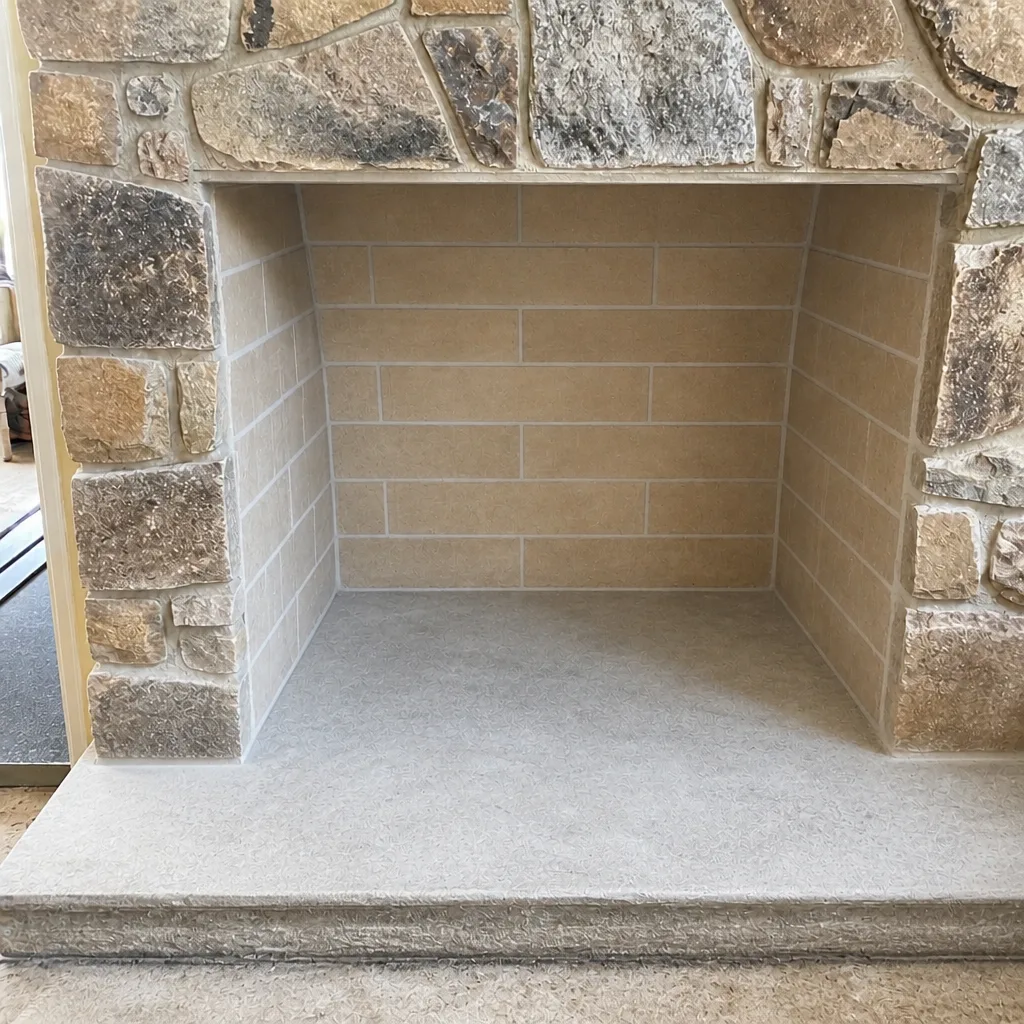
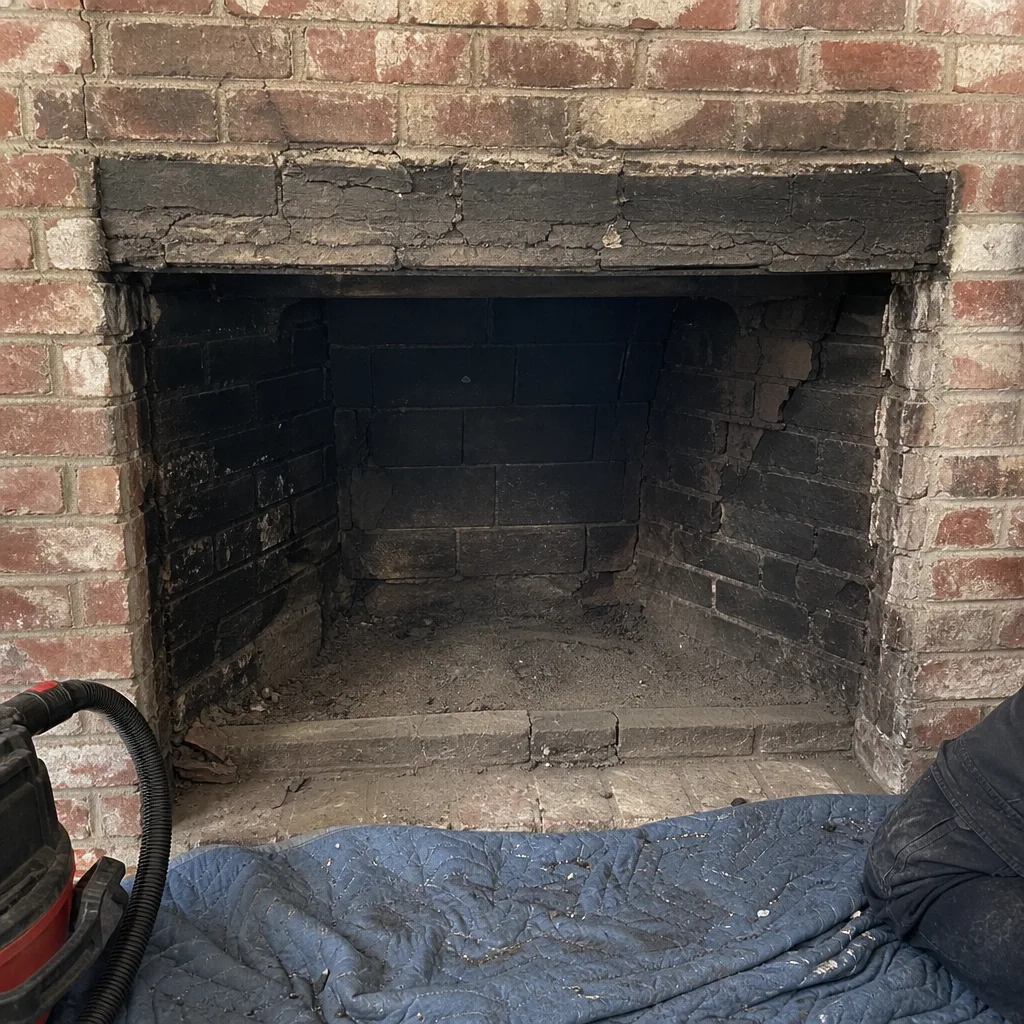
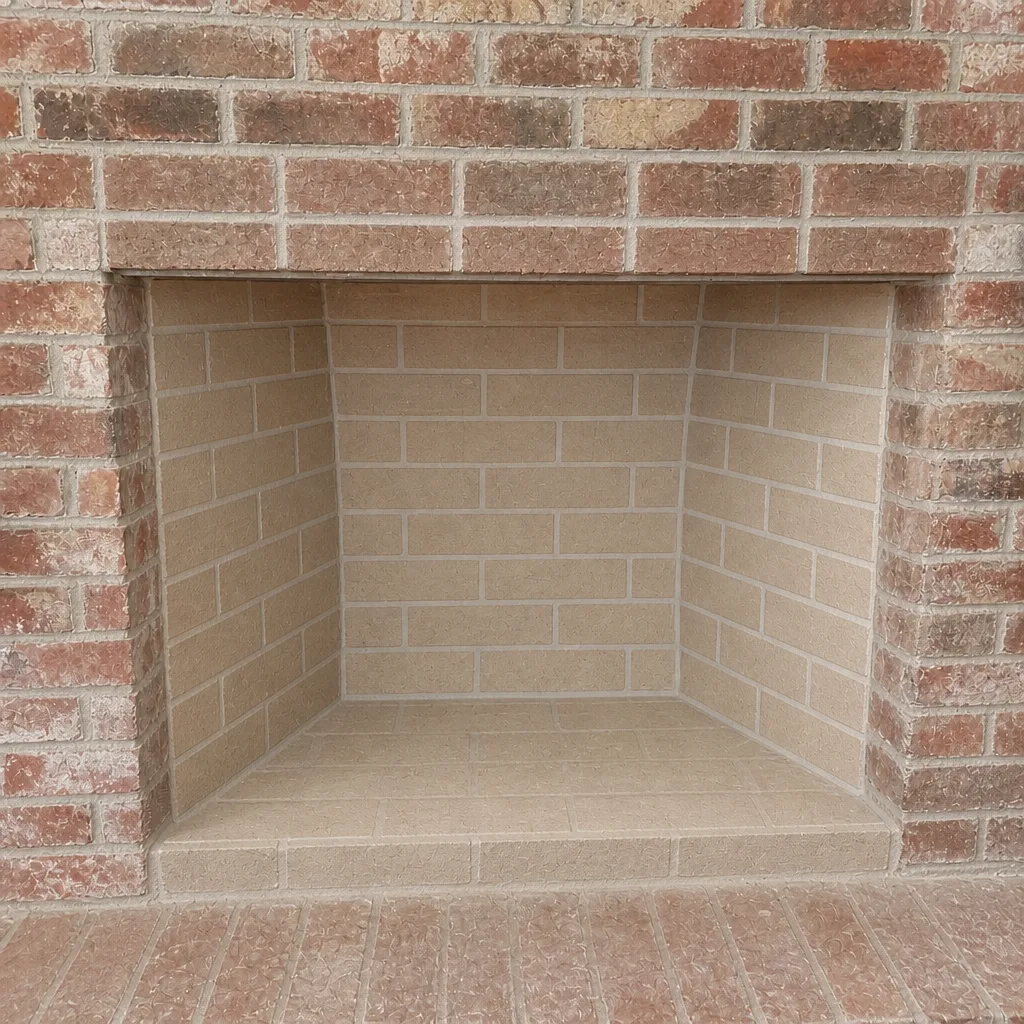
See the difference
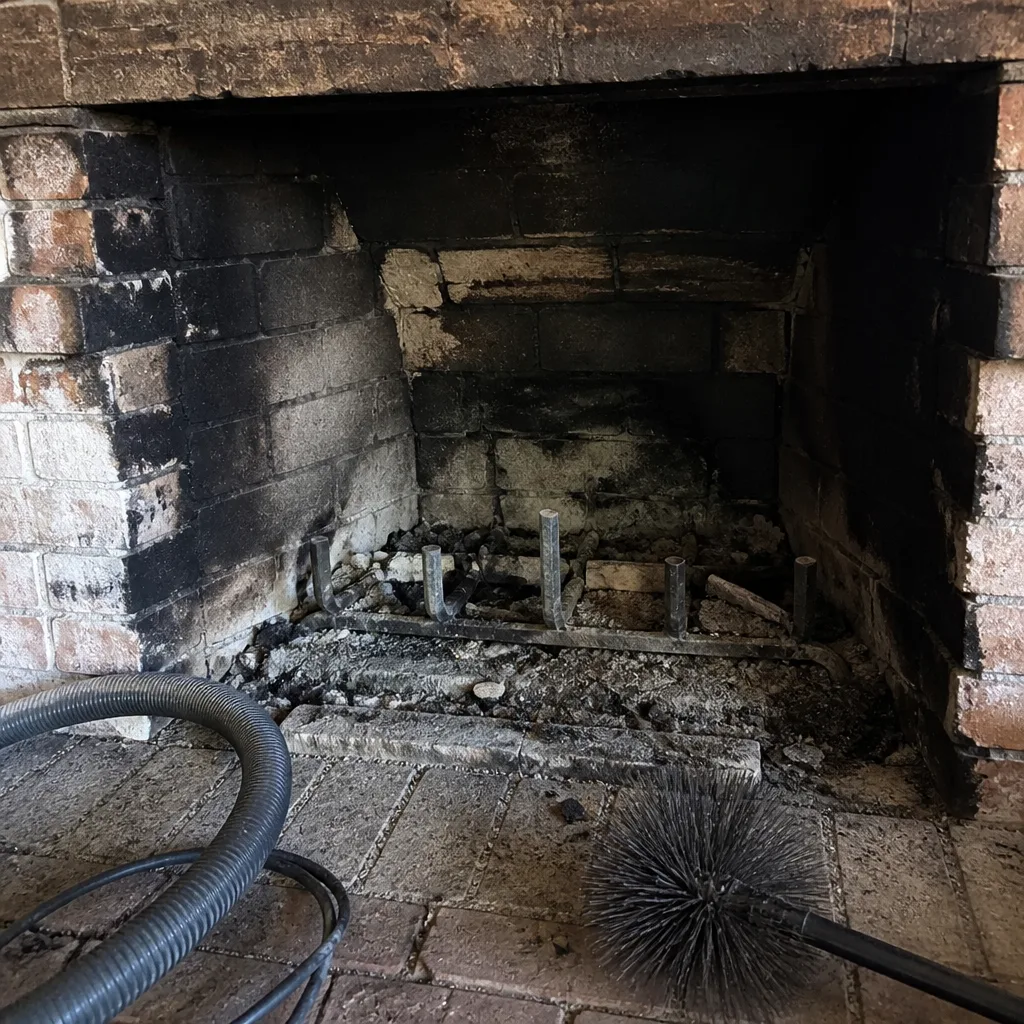 Before
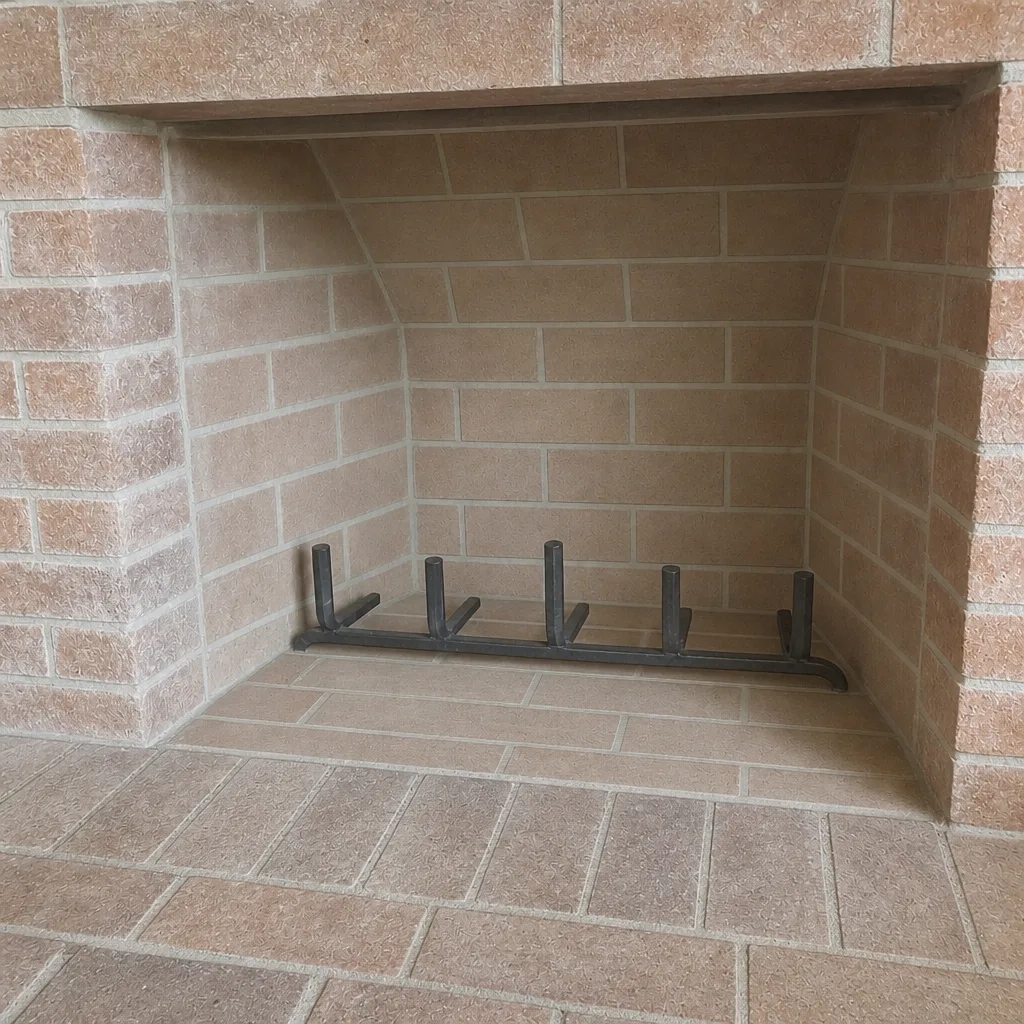 After
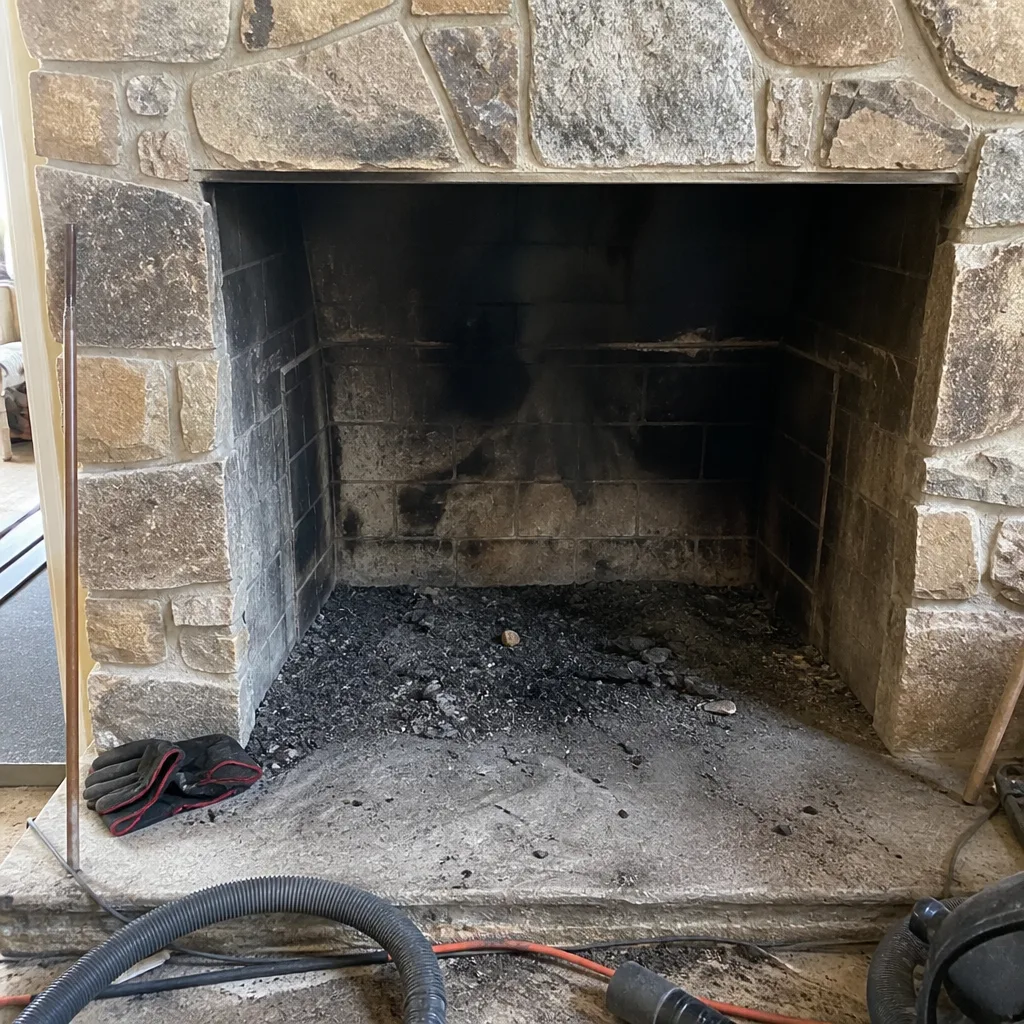 Before
 After
 Before
 After
When to Call a Professional
Call a chimney professional when the question is no longer “when was this last swept” but “what condition is this chimney actually in.” Specific triggers: any visible cracking in the flue or firebox; a chimney that smokes into the room when you burn; a crown that’s cracked or separating from the chimney; a home sale or purchase involving a fireplace; a proposed appliance change or liner replacement; and anything that looks like prior work done by someone other than a chimney specialist. Those are exactly the cases where the permit question and the condition question are the same question. Chimney Sweep Westpark offers free estimates in Westpark. Call (833) 468-5984, and we’ll tell you exactly what we find and exactly what it costs to fix it, with the photos to back it up.
Frequently Asked Questions
No. Routine chimney cleaning and annual inspections are maintenance and do not require a permit in Westpark. A permit is only triggered when the work alters the chimney structure or flue system, such as a liner replacement, firebox rebuild, or chase repair.
Yes. Liner replacement changes the flue system and falls under California Building Code alteration requirements, so it typically requires a permit and an inspection. Confirm the specific requirements with your local Westpark or county building department before the work begins, since local rules can add to the state baseline.
Once a year for most homes that burn regularly, and more often if you burn a lot or notice creosote buildup or draft problems. The annual sweep is also the best time to catch a flue or crown issue before it becomes a repair. Call (833) 468-5984 to book a sweep and inspection; estimates are free.
The buyer’s inspector will likely catch it anyway, and any unpermitted work can stall the sale while it’s brought into compliance. A Level 2 inspection with a written report beforehand puts you in charge of the disclosure and simplifies the transaction. Call (833) 468-5984 to schedule an inspection; estimates are free.
It can. If a fire claim traces to unpermitted alteration of the chimney, the insurer may investigate the installation, and coverage for the fire damage can be limited or denied. The safest path is to have any alteration permitted and inspected, and to keep the sign-off with your records.
Only an inspection with camera evidence can tell you, and we show you the footage of the flue interior so you can see the condition yourself. If it’s a sweep and a note to check back next year, we say so. If it’s a liner, the written estimate sets the price.
The Bottom Line
The line between chimney maintenance and chimney alteration is the line between a routine call and a permit application, and in Westpark it’s the thing most homeowners aren’t told about until it’s a problem. Cleaning doesn’t need a permit; liner replacement, firebox reconstruction, chase repair, and appliance changes usually do. Local building department requirements layer on top of California Building Code, so confirm current rules before work starts, and keep the final sign-off with your home records. A code-compliant inspection report with photographic evidence protects you at a home sale and supports an insurance claim. For the cleaning and inspection side, a scheduled sweep and a fireplace repair quote handled by the same specialist gets both questions answered in one visit. For everything else, start with the permit question, then the condition question. Our team at Chimney Sweep Westpark works exclusively on chimneys and can help with any of it. Call (833) 468-5984 for a free estimate. We answer 24/7. Fast dispatch from 7am to 7pm, Sunday through Friday.
Written by the team at Chimney Sweep Westpark.