
Last updated November 24, 2026
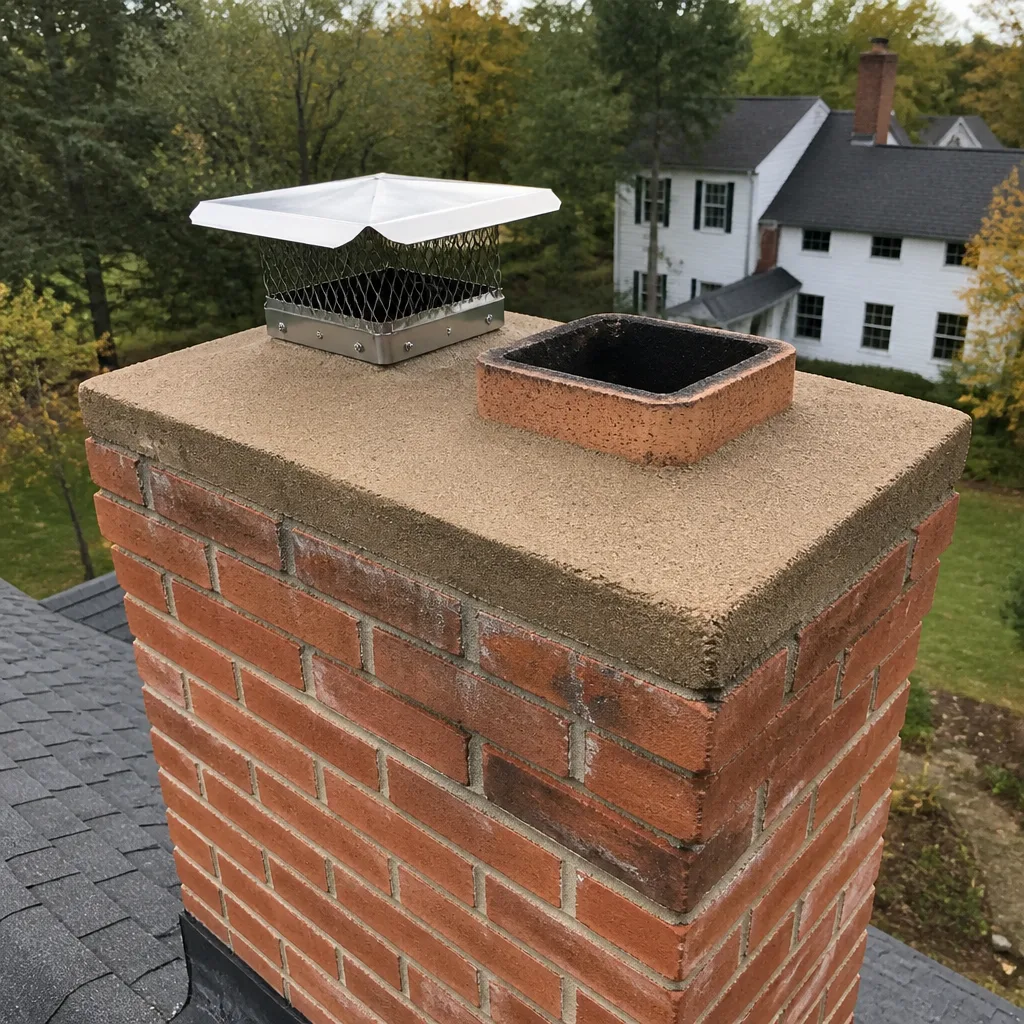 Sweep & inspection
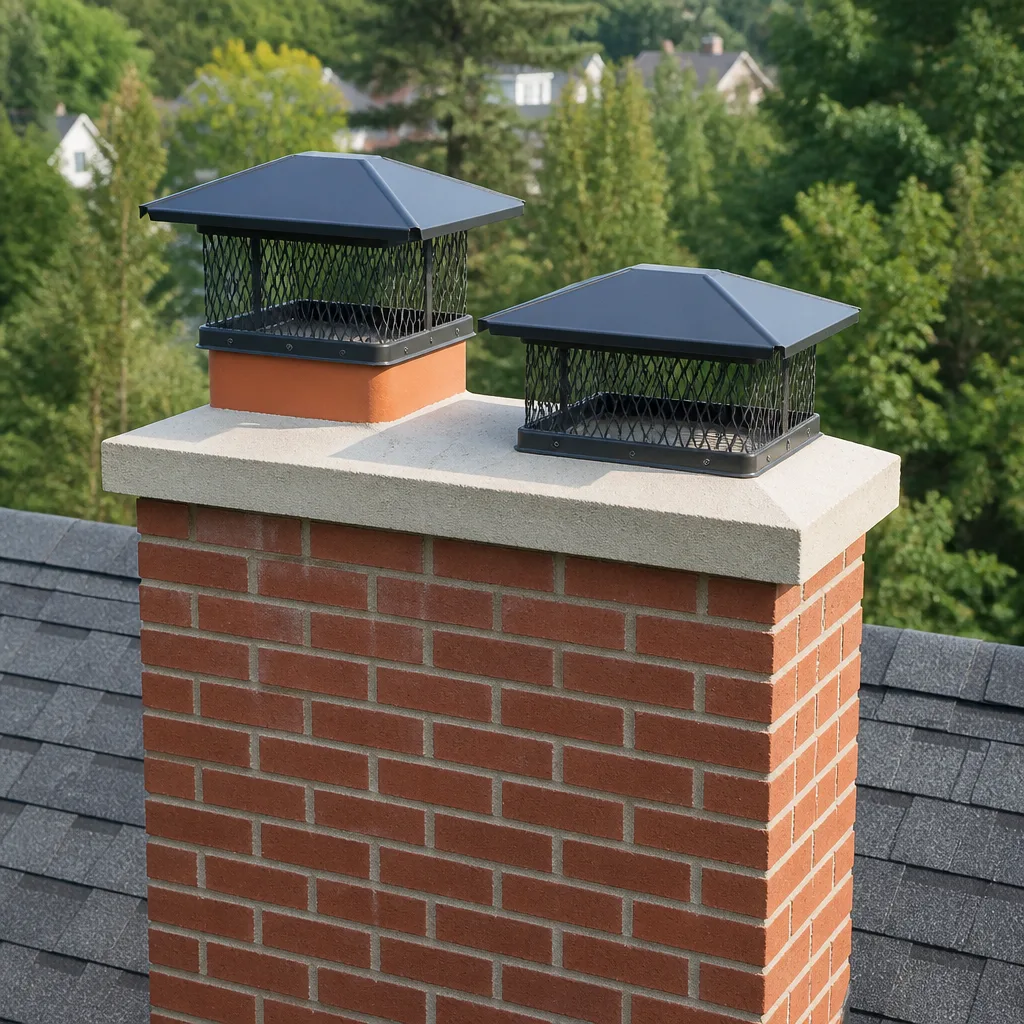 Caps & crowns
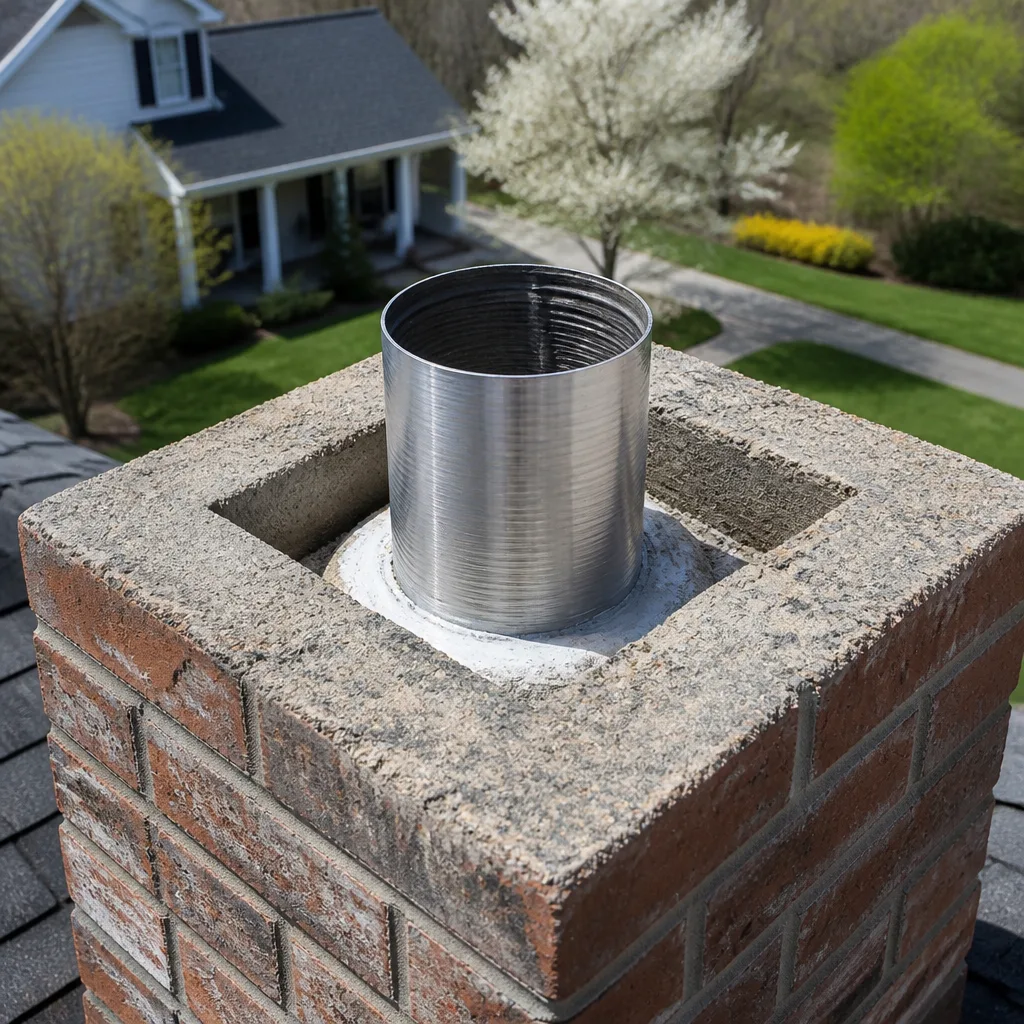 Flue relining
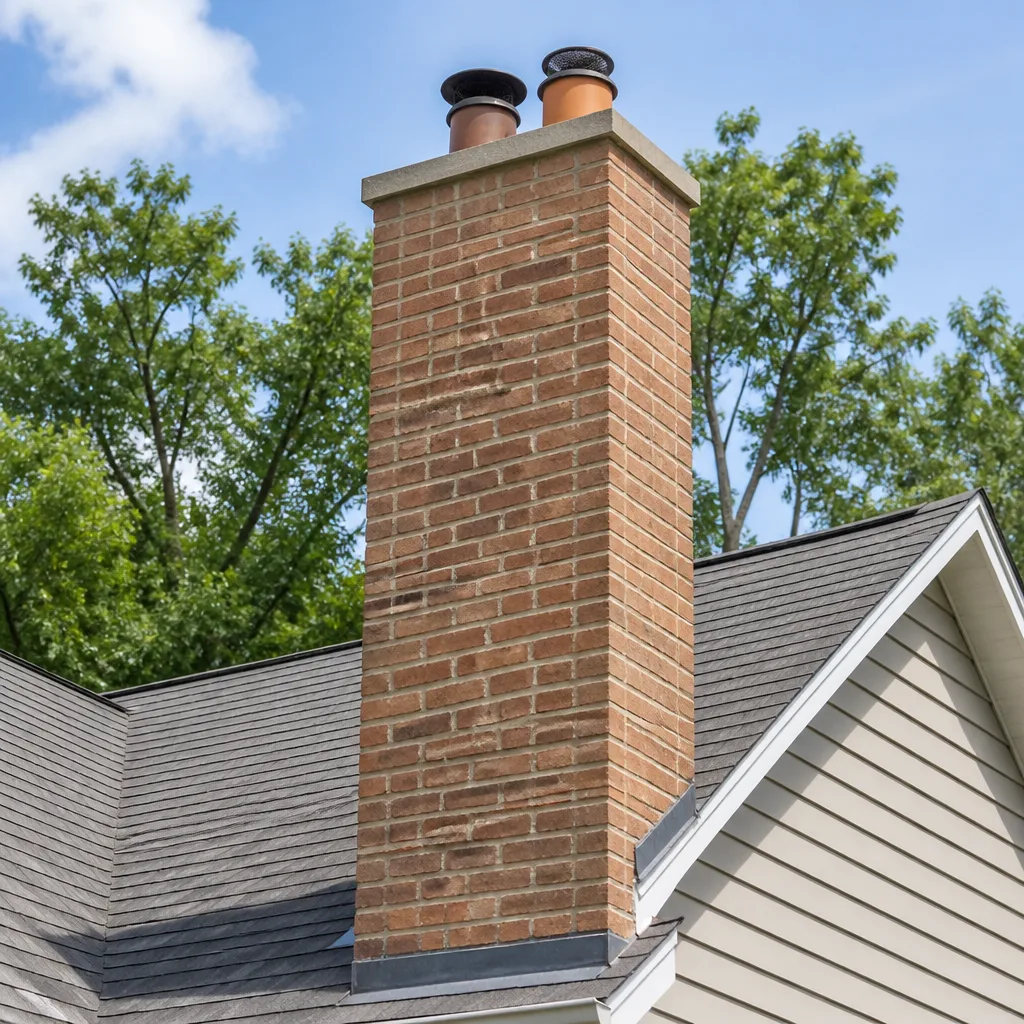 Masonry repair
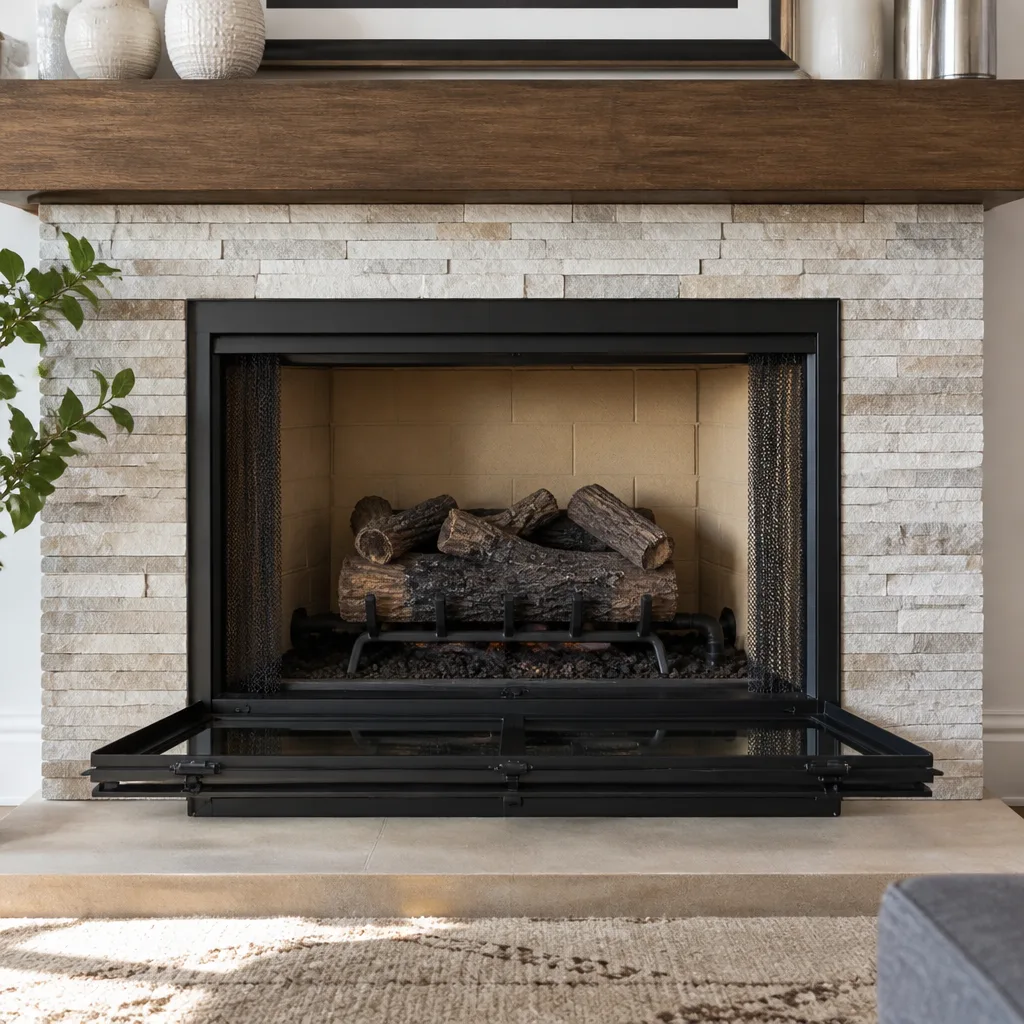 Gas fireplace service
Level 1 sweep and inspection to the NFPA 211 annual standard - flue, crown, cap, and flashing checked and photographed
Chimney sweep logs do not sweep chimneys. They loosen some creosote - which then falls where a brush and vacuum still have to collect it.
How to Hire a Chimney Cleaning Contractor in Westpark: A Step-by-Step Guide
Most homeowners in Westpark start their search the wrong way. They look for the cheapest sweep, book the first name that answers, and only ask what equipment is coming up the ladder once someone is already on the roof. Here’s the counterintuitive part: a technician can hold a valid certification and still have never worked on the prefabricated fireplaces that fill most of Westpark’s post-1980 subdivisions. Credentials open the door; specific experience walks through it. This guide gives you a concrete vetting process, from the phone call to the signed estimate, so you can separate dedicated chimney specialists from general handymen who sweep on the side. You’ll learn exactly what to ask and what to expect in Westpark.
Styles & brands we work with
- Sweep & inspection
- Caps & crowns
- Flue relining
- Masonry repair
- Gas fireplace service
Quick Answer
To hire a chimney cleaning contractor in Westpark, verify California contractor licensing first, then ask specific questions about cleaning equipment, vacuum systems, and prefabricated fireplace experience before you book. Request a written estimate that documents both the cleaning scope and a pre-cleaning inspection, and treat unusually low flat-rate quotes as a red flag. A dedicated chimney specialist will answer every question directly; a generalist will deflect.
Table of Contents
- Why Hiring a Chimney Contractor in Westpark Is Harder Than It Looks
- Step 1: Verify California Contractor Licensing for Chimney Work
- Step 2: Ask the Right Questions About Equipment
- Step 3: Confirm Experience With Prefabricated Fireplaces
- Step 4: Structure the Job So Inspection Comes Before Cleaning
- Step 5: Get a Written Estimate, Not a Verbal Quote
- Step 6: Spot the Westpark Red Flags
- Common Mistakes to Avoid
- When to Call a Professional
- Frequently Asked Questions
Why Hiring a Chimney Contractor in Westpark Is Harder Than It Looks
Westpark sits in one of those regions where a chimney is a background object for most of the year. Winters here are mild, so the fireplace burns a few months out of twelve, and there’s no dramatic seasonal pressure pushing people to book a sweep. That’s exactly what makes the hiring decision easy to get wrong. When a system sits idle, problems build quietly, and homeowners reach for the first available handyman instead of a specialist who knows what to look for.
The service landscape in Westpark reflects that. Plenty of generalists list chimney cleaning alongside gutter work, pressure washing, and whatever else fills their calendar. For a quick surface brush on a simple masonry flue, that might be fine. For anything more, the gap between a specialist and a generalist shows up fast. In our experience, the difference shows in three places:
- Tools built for the trade, not borrowed from another one. A rotary cleaning system and a high-capacity vacuum are chimney-specific equipment. A generalist often arrives with a hand brush and a shop vac.
- Materials chosen from professional supply lines. We install DuraFlex liners and apply HeatShield resurfacing because those materials are specified across the trade, not because they were on sale at the home center.
- One focus, one skill set. A company that works exclusively on chimneys builds knowledge of flue design, draft behavior, and the specific fireplace construction typical of Westpark homes.
This guide is written for homeowners who want that second category and want to know how to confirm they’re getting it before anyone climbs a ladder.
Step 1: Verify California Contractor Licensing for Chimney Work
Start with the paperwork, not the price. In California, chimney cleaning and chimney repair are contractor work, and the license class matters because chimney service straddles two areas: the general building side and the specialty side. Ask an applicant which license they hold and which classification the work falls under. A legitimate contractor will answer without hesitation. If they fumble the question, that alone tells you something.
Then verify it. California maintains a public licensing lookup through its contractor registration system, where you can check a license number, status, and disciplinary history. Here’s the process:
- Ask for the contractor’s license number and the name it’s registered under.
- Look the number up in the state database and confirm the status is active.
- Check that the classification matches the scope of work (cleaning, inspection, relining, structural repair).
- Confirm the business name on the license matches the name on the estimate.
- Ask whether the local professional carrying out the work is insured as their state requires.
One nuance people miss: licensing covers the business entity, not the individual technician standing in your living room. A licensed contractor can employ technicians at different experience levels. That’s why the license check is a starting gate, not a finish line. Once you’ve confirmed the business is licensed, ask how experienced the technicians are and whether they’ve handled your type of fireplace before. The credentials open the conversation; the questions close it.
Do this before you discuss scheduling. You’ll save yourself a lot of time by filtering out the companies that can’t clear step one. For homeowners ready to move from verification to booking, our Chimney Sweep Westpark page lays out how a visit works in practice.
Step 2: Ask the Right Questions About Equipment
You can learn a lot about a chimney contractor by asking them to describe their tools. A dedicated specialist will explain the equipment with ease; a generalist will give you a vague answer and change the subject. The point isn’t to memorise a tool catalogue. It’s to hear whether the person on the other end of the phone actually works with professional equipment or is making do.
Ask these questions directly:
- “What cleaning system do you use, and how does it work?” Professional sweeps typically use a rotary cleaning system with a powered flexible rod, which lets them clean the flue to the surface rather than just knocking soot loose. Ask whether they use one, or a manual brush alone.
- “What kind of vacuum do you bring, and where does it vent?” A proper chimney vacuum captures fine dust at the firebox. A shop vac moves dust into the room. Ask if they run a HEPA or equivalent high-capacity unit.
- “How do you protect the living area during the job?” Drop cloths and a sealed work zone are standard for a specialist.
- “Can you clean a liner of my type without damaging it?” The answer should reflect the flue material (masonry or a prefabricated metal liner).
- “What happens if you find a defect during cleaning?” A specialist has a plan for documenting and photographing findings as they go.
Pay attention to how the answers arrive. Specific descriptions of rotary rods, vacuum specs, and containment tell you the person does this daily. Hand-waving is your cue to keep calling. “It’s just a brush,” is an honest answer, but it also tells you the operation is scaled for a quick surface job, not a thorough one. For a closer look at what a thorough evaluation involves, our chimney sweep service page walks through each stage.
Step 3: Confirm Experience With Prefabricated Fireplaces
Much of Westpark’s housing stock was built after 1980, and a large share of those homes use prefabricated fireplaces and factory-built metal chimney systems rather than traditional masonry. This matters because prefabricated systems have different clearances, liners, and inspection needs than masonry flues. A technician trained only on masonry can miss factory-built issues or, worse, clean them the wrong way and damage the liner.
So ask directly: “Do you work on prefabricated fireplaces, and what’s different about cleaning and inspecting them?” A qualified answer will touch on:
- The specific metal flue configuration and how it’s cleaned without scoring the liner.
- How the inspection checks joints, the firebox, and the venting path, not just the flue interior.
- Where replacement parts come from when a factory-built component needs work. Sourcing matters, and it’s one reason we stock from established supply lines like Famco and Copperfield rather than mixing in generic parts.
The certification question fits here too. Holding a credential is the floor, not the finish line. A certified technician with five years of experience on prefabricated systems is a stronger fit for a 1990s Westpark home than a similarly certified technician who’s spent a career on masonry. Ask how many prefabricated fireplaces the person on your job typically handles, and listen for a straightforward answer. For repair continuity, our fireplace repair service picks up where inspection findings leave off, so a single specialist carries the job from cleaning to fix.
Step 4: Structure the Job So Inspection Comes Before Cleaning
This is where your hiring decision protects you. The standard sequence should be inspection first, cleaning second. Why? Because if a contractor cleans before documenting what they found, any structural problem discovered mid-service becomes a point of contention. Did the cleaning reveal it, or did the cleaning cause it? You want the answer in writing before the brush ever moves.
Here’s a job structure that puts the evidence in your hands:
- Ask for a visual and camera inspection first, with a written or photographed report. You should see the flue interior and any defects before cleaning begins.
- Have the findings documented, dated, and shared with you. A photo or video record is the difference between a recommendation and a claim.
- Agree the cleaning scope based on the inspection. The scope should be set once findings are known, not guessed beforehand.
- Sign off on any repair recommendation separately. Cleaning and repair should be quoted as distinct line items so you can decide on each.
- Get written notes on anything flagged for monitoring. Not every finding needs action now, and a specialist will say so.
In our experience, this structure is how a specialist operates by default. Inspection and cleaning are two parts of one visit, sequenced with the inspection leading. If a contractor wants to clean first and “check while I’m up there,” that’s a reason to slow down. The same logic applies to any repair the inspection turns up. When the flue needs resurfacing, HeatShield can restore it without tearing the chimney down, which keeps cost and disruption far lower than demolition, but that call depends on what the inspection actually shows. Cap and crown work fits the same pattern; see chimney cap & crown for how those repairs are scoped. For the broader sweep of services in one place, the chimney sweep page covers the full visit flow.
Step 5: Get a Written Estimate, Not a Verbal Quote
A verbal quote is a starting number, not a commitment. A written estimate is your record if a dispute arises, and it’s the difference between “we discussed cleaning and maybe a liner” and a document that states exactly what’s included. Always ask for the written version before you book, and read it line by line.
A legitimate written estimate for chimney work in Westpark typically includes:
- Scope breakdown: cleaning, inspection, and any repair items quoted as separate lines.
- Access details: how the roof will be accessed and what protective measures cover your interior.
- Chimney height and story count: a real estimate accounts for these; a flat rate that ignores them is a warning sign.
- Materials named: which liner, cap, crown, or resurfacing product is specified (for example, a named DuraFlex liner for a reline).
- Findings-first language: a clause stating that repair work is quoted only after inspection findings, not bundled in ahead of time.
- Terms and payment: what’s owed when, and how changes get approved in writing.
Why does this matter so much? Because chimney work often reveals more once the flue is opened up, and that’s exactly when verbal agreements shift. If your estimate already establishes that findings drive the scope, a mid-service discovery gets documented and quoted rather than argued over. Ask whoever you hire to walk you through the estimate before signing, and don’t book until you understand every line. Our Chimney Sweep Westpark team fields questions like these before a job is scheduled, which is how the estimate should feel: a shared document, not a pitch.
Step 6: Spot the Westpark Red Flags
Every market has its warning signs, and Westpark’s are specific. The mild winters and modest fireplace use mean some operators treat chimney work as a low-stakes add-on. Watch for these:
- Flat-rate quotes that don’t account for chimney height or story count. A quote that’s identical for a single-story and a two-story chimney wasn’t priced for your home. Real estimates vary because the work varies.
- Cleaning offered as a side service. If the same operator sweeps chimneys and also does plumbing, HVAC, or roofing, the tools and training are likely shared and general.
- No mention of inspection before cleaning. A specialist inspects first. An operator who cleans and “checks” simultaneously is skipping the documentation step.
- Pressure on findings with no evidence. If you’re told you need major repair, you should be able to see the photos or camera footage yourself. A recommendation without visible evidence is a red flag.
- No written estimate. A verbal figure only is difficult to enforce. Ask for it in writing.
- Vague answers on equipment and liner materials. A contractor who can’t name their rotary system or vacuum specs is likely working with consumer-grade tools.
None of this requires you to be a chimney expert. It requires you to ask the questions in this guide and notice who answers them cleanly. The goal isn’t to catch anyone out; it’s to find the specialist in the first place, so the job gets done once and done right.
Common Mistakes to Avoid
- Booking the lowest flat-rate quote without checking what it covers. In Westpark, the cheapest number often comes from a generalist who hasn’t priced chimney height or story count into the job, and the gaps surface on the roof. Ask what the rate assumes before you accept it.
- Skipping the license check. It takes five minutes to look up a license number, and it filters out unlicensed operators before they cost you more than the cleaning would have. Do it before any scheduling conversation.
- Letting cleaning come before inspection. If the flue is cleaned first, you lose the chance to document existing defects. Insist on inspection findings first, with photos you can review.
- Accepting a verbal quote. Verbal figures are hard to enforce. A written estimate with named materials and separate line items protects you if findings change the scope mid-service.
- Not asking about prefabricated fireplace experience. Many Westpark homes built after 1980 use factory-built systems that need a technician who knows their clearances and liners. Certification alone doesn’t guarantee that background.
- Assuming a general contractor’s chimney add-on is a specialist. A company that spreads across trades divides its tooling and training. Chimney work rewards focus, so ask whether it’s the only work the contractor does.
- Ignoring a recommendation you can’t verify. If you’re told the liner needs replacing, ask to see the inspection evidence. A specialist will show you; a sales-first operator will push.
When to Call a Professional
Book a professional evaluation if you’ve never had your chimney inspected and you burn wood regularly. Smoke backing into the room, a strong odor from the firebox when the fireplace is closed, visible creosote buildup, or a draft that’s changed noticeably all warrant a look. Skip the ladder yourself; flue work involves heights and enclosed spaces that need trained handling. If your home was built after 1980 with a prefabricated fireplace, get a specialist familiar with factory-built systems to check it, since those clearances and liners differ from masonry. Never run a wood fire if you suspect the liner is compromised; that’s a case for prompt inspection, not a wait-and-see. Chimney Sweep Westpark offers free estimates in Westpark; call (833) 468-5984. We answer 24/7. Fast dispatch from 7am to 7pm, Sunday through Friday.
Frequently Asked Questions
Most wood-burning chimneys need cleaning once a year, or more often if you burn heavily and creosote builds quickly. In Westpark’s mild climate, the fireplaces get used fewer months, so a specialist can tell you whether your schedule can stretch. Call (833) 468-5984 for an exact quote – estimates are free.
Chimney work in California typically falls under a general building contractor classification or a specialty classification depending on the scope, and repair work can cross into both. Ask the contractor which license they hold and check its status in the state’s online lookup. A licensed contractor will give you the number without hesitation. Call (833) 468-5984 if you’d like to talk through what your job involves.
A written estimate should list cleaning and inspection as separate items, name the materials specified for any repair, and account for chimney height and story count. It should also state that repair work is quoted from inspection findings rather than bundled in beforehand. That structure is what protects you if defects turn up mid-service.
A specialist works only on chimneys and can describe their rotary cleaning system, vacuum setup, and liner materials in specific terms. A generalist sweeps as a side service and gives vague answers on equipment. Ask what other work the company does; if the answer is broad, the chimney training is likely broad too.
Yes. Factory-built fireplaces and metal chimney systems have different clearances, liners, and inspection needs than masonry flues, and many Westpark homes built after 1980 use them. Confirm your contractor has real experience with prefabricated systems before booking, since certification alone doesn’t guarantee it. Call (833) 468-5984 for an exact quote – estimates are free.
If your estimate was structured with inspection findings documented before cleaning, the problem gets photographed and quoted as a separate line item, and you decide on the repair. This is why inspection-first sequencing matters. A specialist will show you the evidence and tell you plainly when work can wait. Call (833) 468-5984 if you want to talk through your options.
The Bottom Line
Hiring a chimney contractor in Westpark comes down to verifying the boring things first. Check the license, ask detailed questions about equipment, confirm prefabricated fireplace experience, and insist on a written estimate with an inspection-first structure. Those steps do more to protect you than any price comparison. A dedicated specialist will answer every question without hesitation and show you evidence for every recommendation. A generalist will deflect, and that deflection is your signal. If you’d like to move forward with a specialist, call (833) 468-5984 for a free estimate. We work exclusively on chimneys, from sweep to structural repair.
Written by the team at Chimney Sweep Westpark.
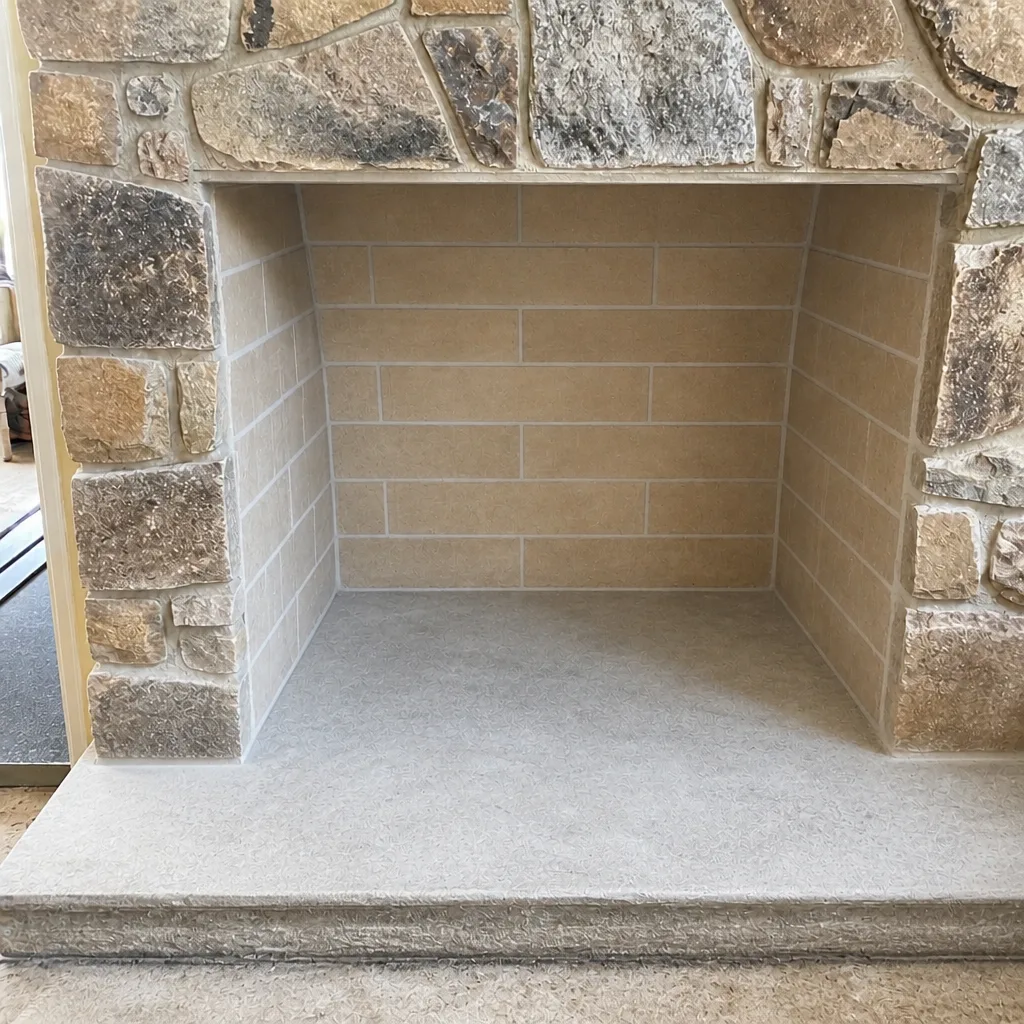
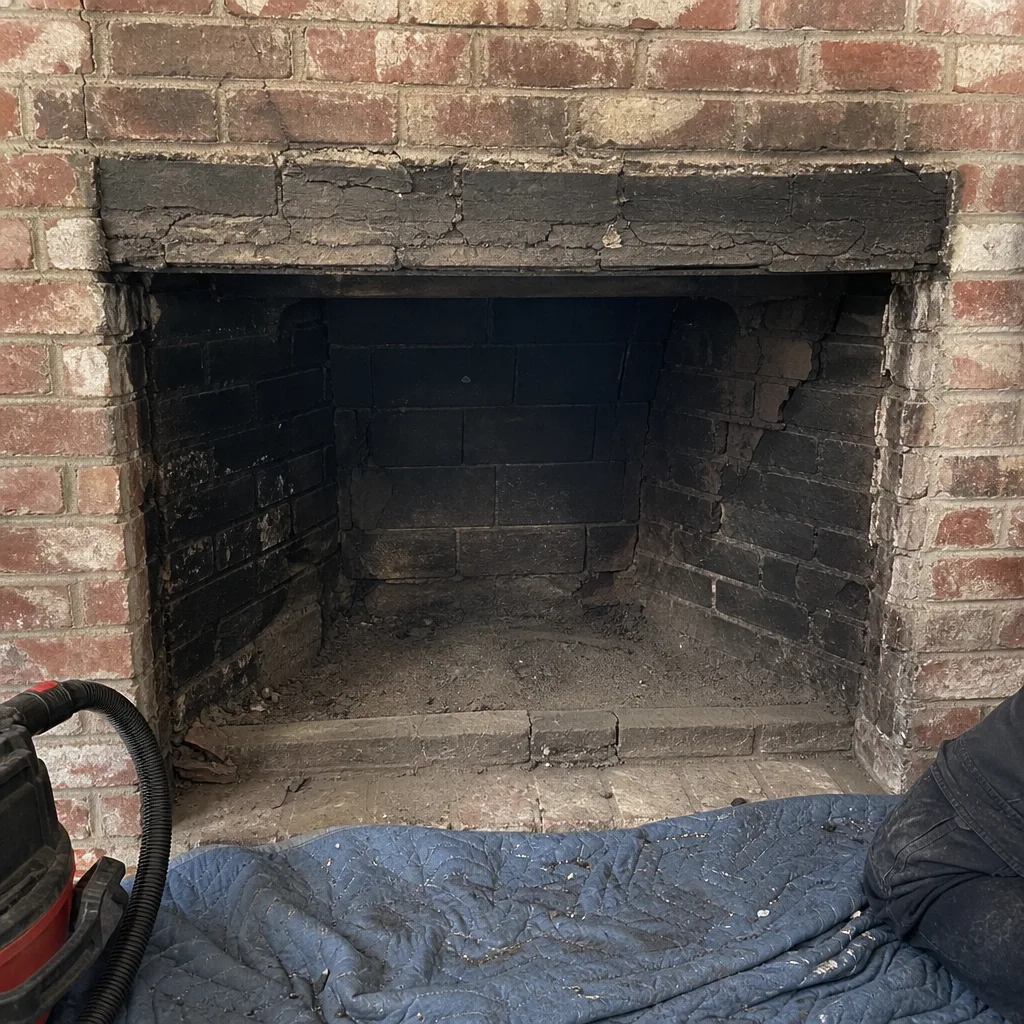
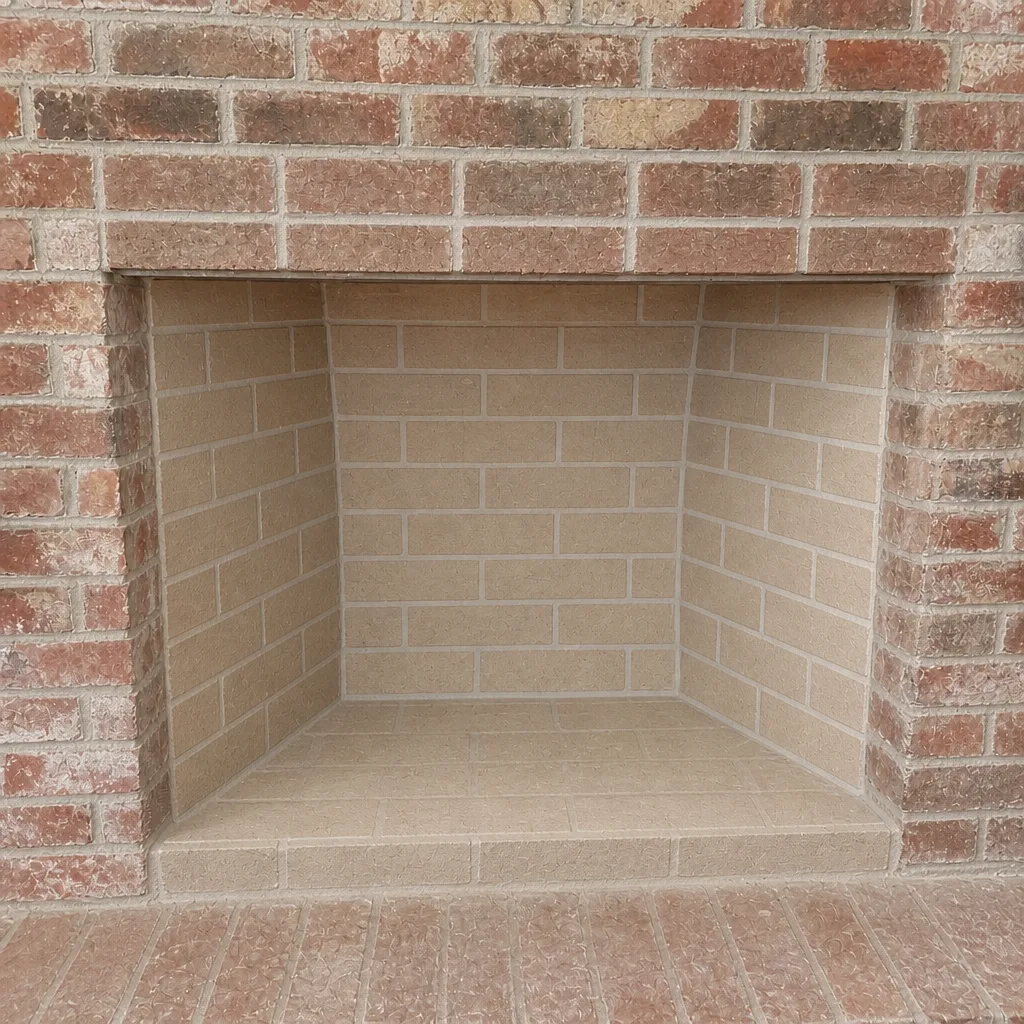
See the difference
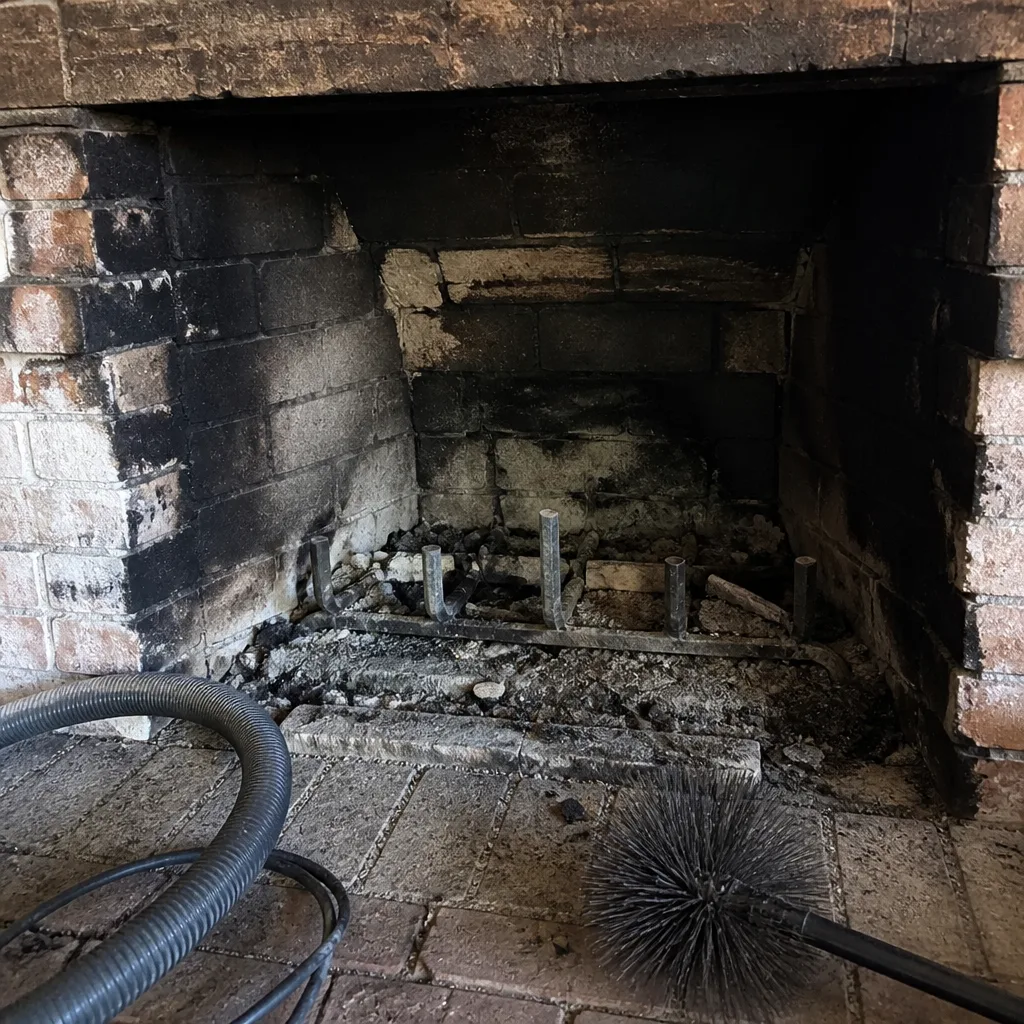 Before
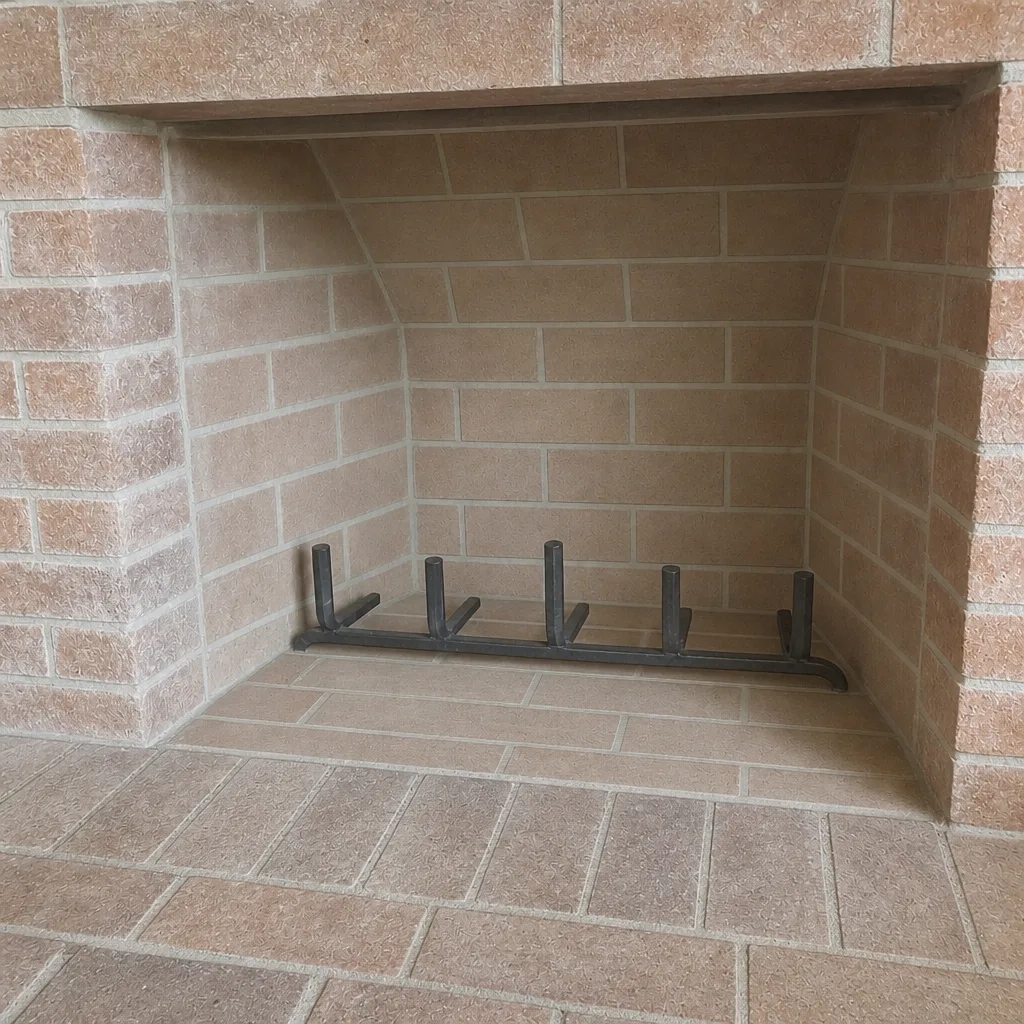 After
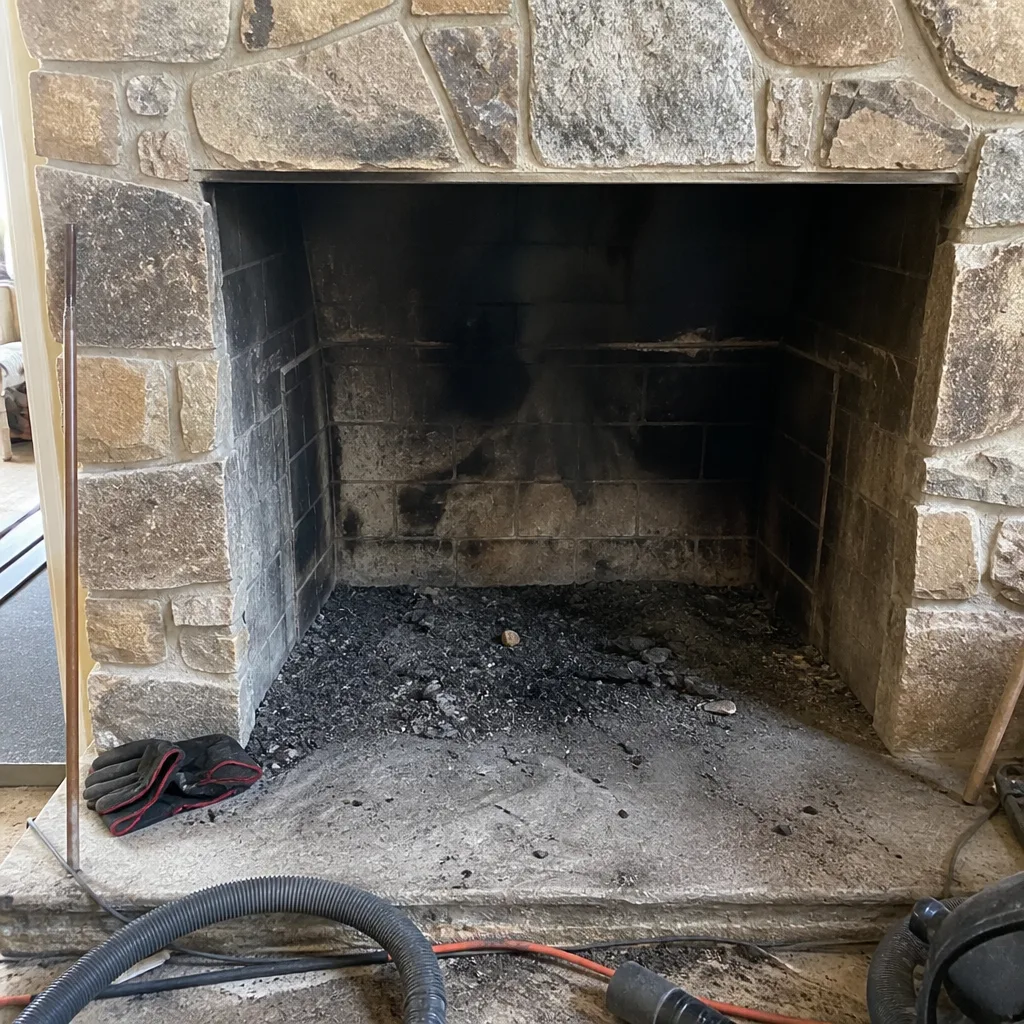 Before
 After
 Before
 After