
Last updated November 24, 2026
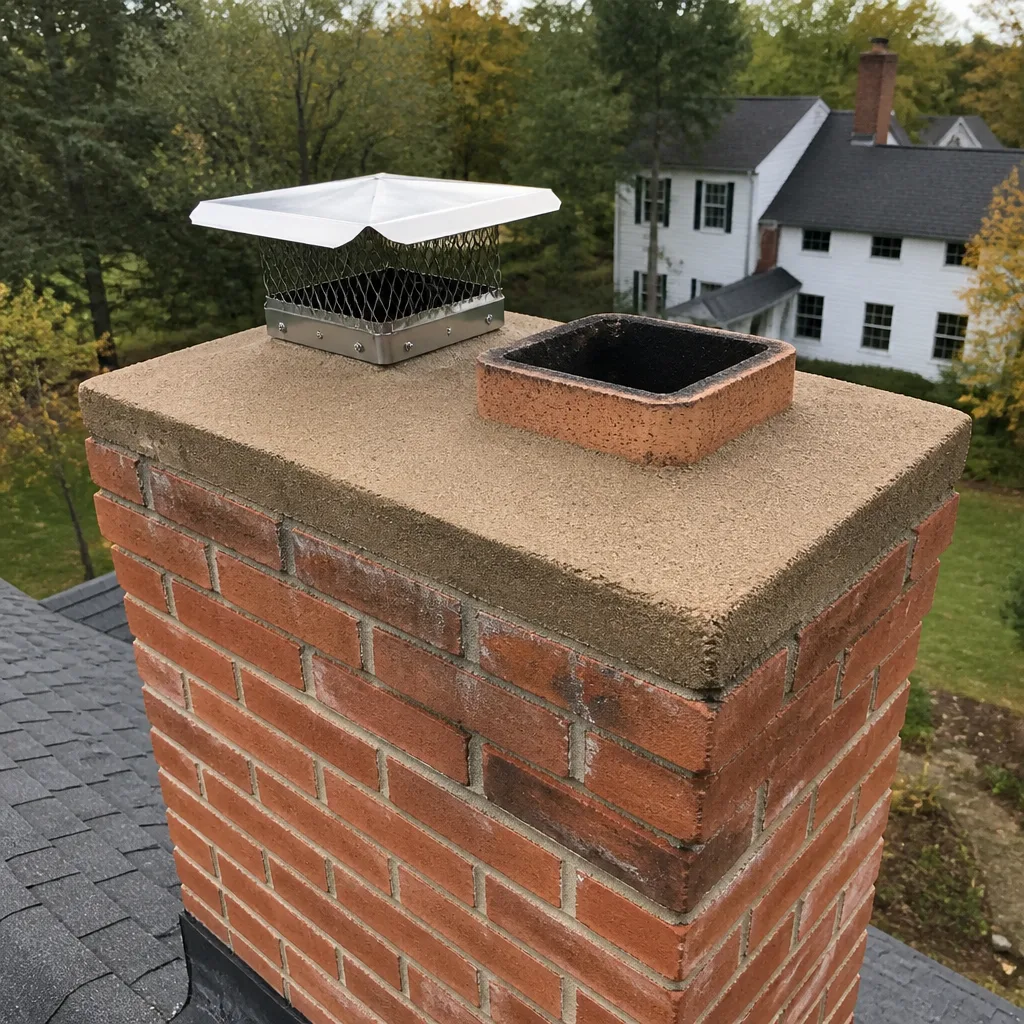 Sweep & inspection
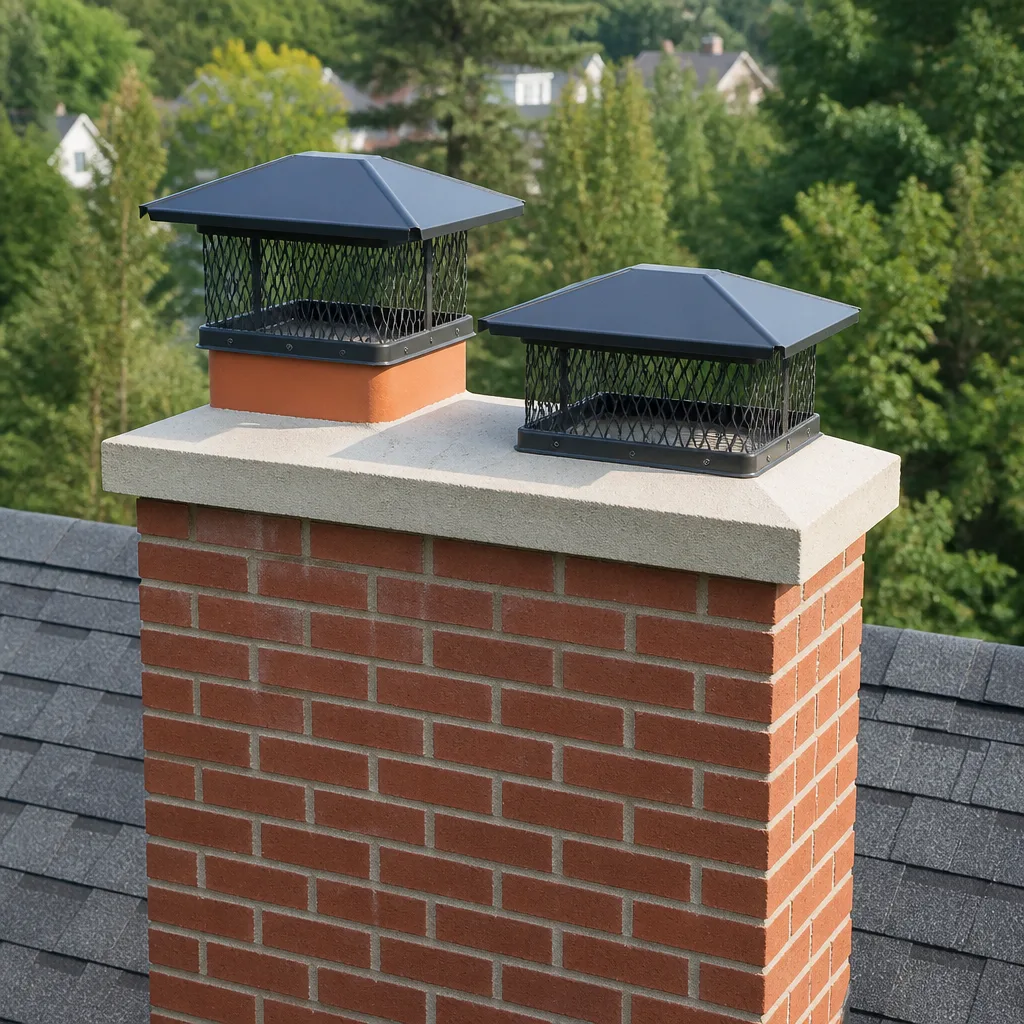 Caps & crowns
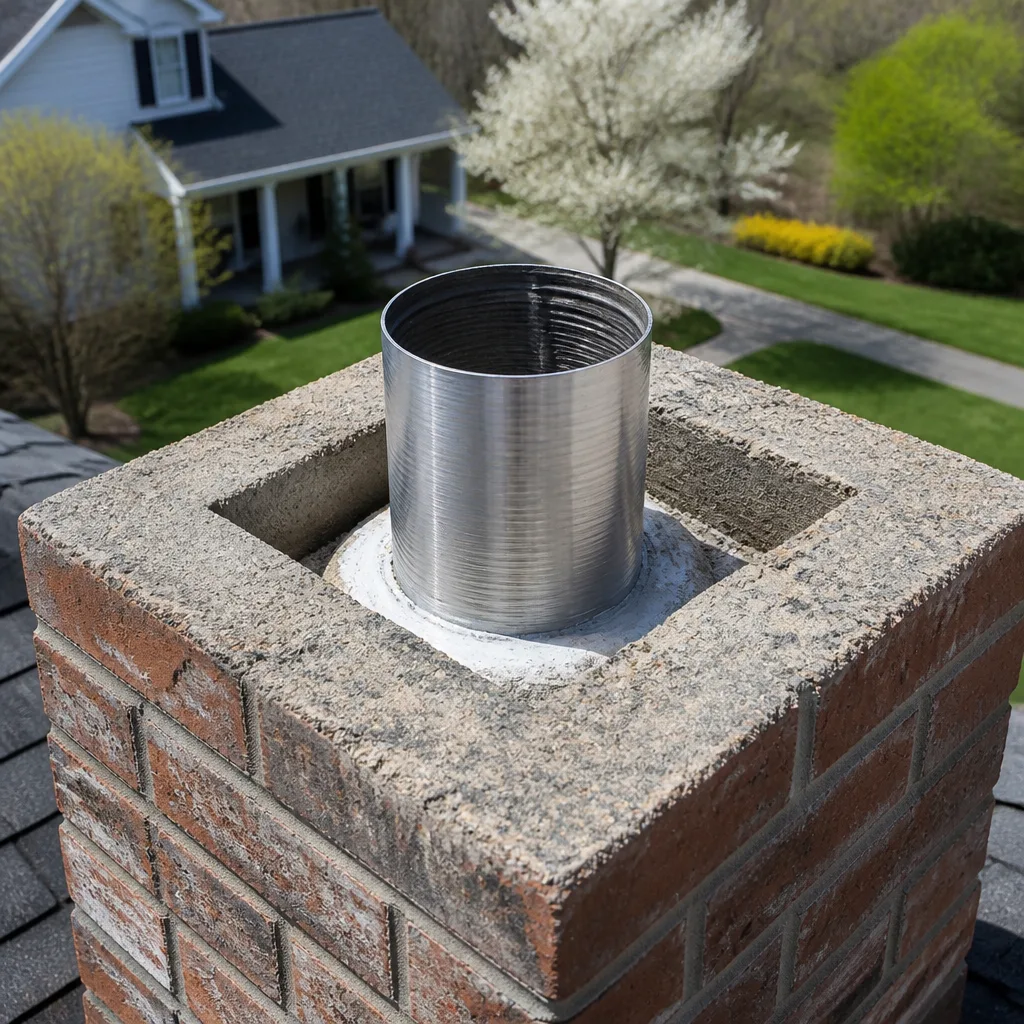 Flue relining
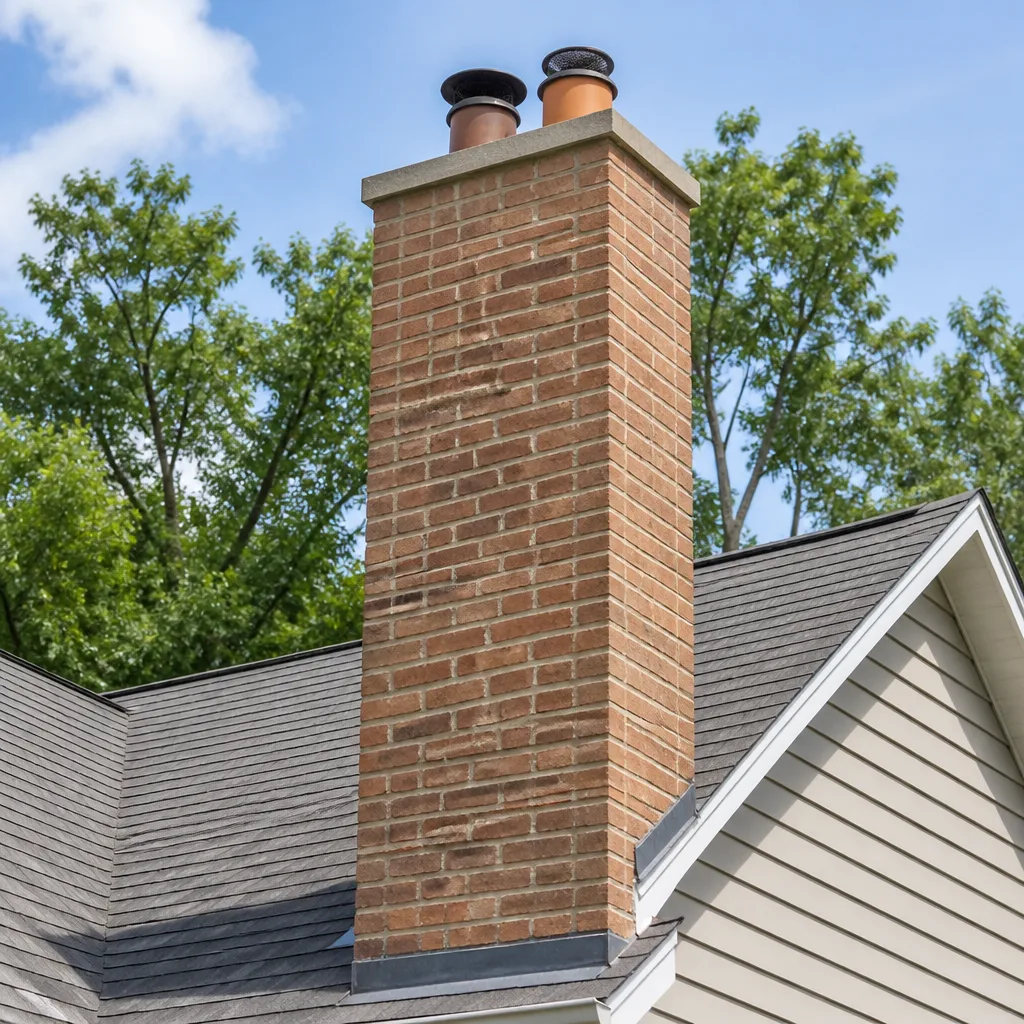 Masonry repair
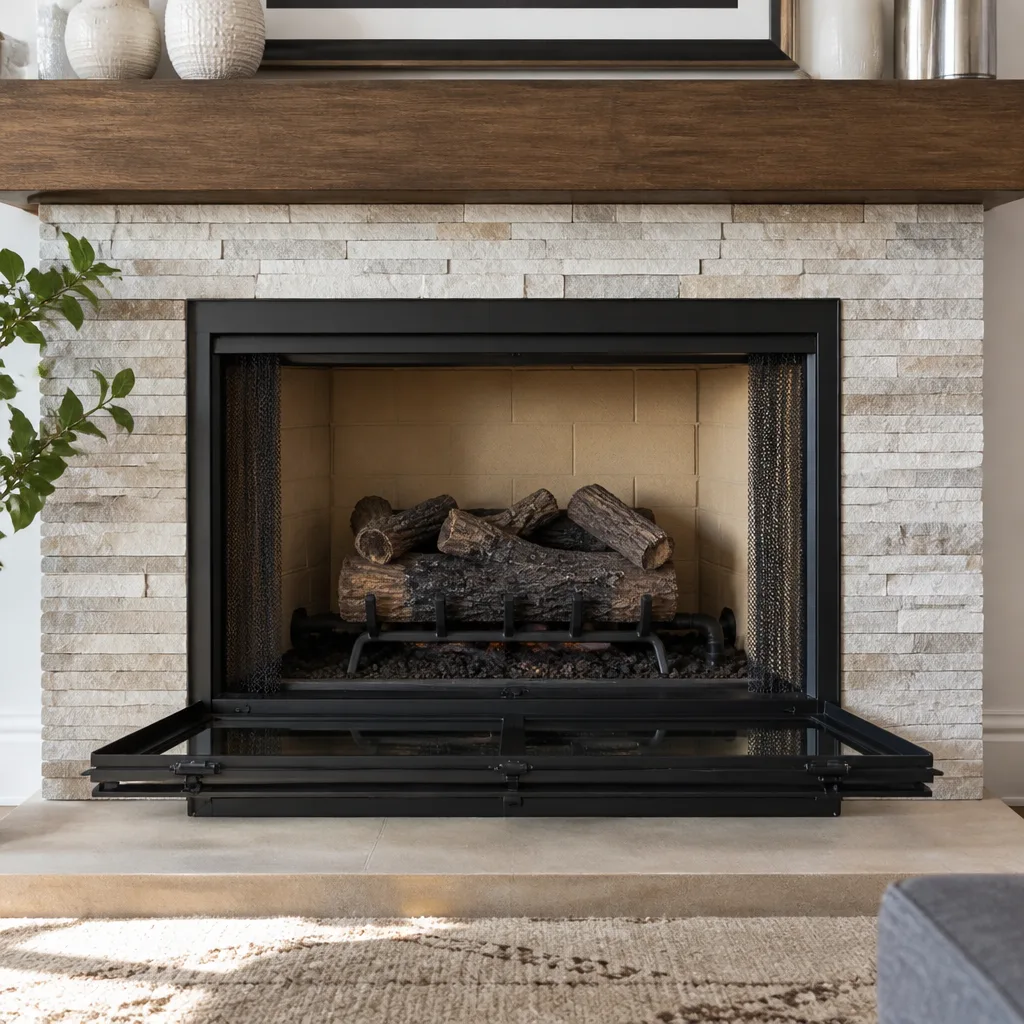 Gas fireplace service
Level 1 sweep and inspection to the NFPA 211 annual standard - flue, crown, cap, and flashing checked and photographed
Chimney sweep logs do not sweep chimneys. They loosen some creosote - which then falls where a brush and vacuum still have to collect it.
DIY vs Professional Chimney Cleaning: The Westpark Homeowner’s Decision Guide
You can rent chimney brushes and do a passable job on the soot. A shop vac, a poly brush, a little grit, and a Westpark homeowner can knock down the loose creosote in a firebox and feel like the job is done. But the leading cause of chimney-related house fires isn’t soot. It’s structural failure, cracked flue tile, or a liner that has quietly deteriorated, and none of that shows up when you’re looking up a flue with a flashlight. Every spring we get called to Westpark homes where the sweeping was fine and the flue was not. What follows is an honest capability map: what DIY actually accomplishes, what it can’t, when doing it yourself is reasonable, and what an annual professional service should cover that a rented brush never will.
Quick Answer
DIY chimney cleaning removes loose soot and light creosote, but it cannot assess whether the flue is structurally sound, cannot detect cracked tiles or gaps behind the liner, and will not satisfy an insurance carrier investigating a chimney fire. Professional cleaning pairs the sweep with a camera inspection and a written report, which is the part that actually protects your home. For a gas fireplace with an intact liner and light use, occasional DIY sweeping between professional visits is reasonable; for a wood-burning fireplace in active use, the annual professional service is not optional.
Styles & brands we work with
- Sweep & inspection
- Caps & crowns
- Flue relining
- Masonry repair
- Gas fireplace service
Table of Contents
- What DIY Chimney Cleaning Actually Accomplishes (and What It Doesn’t)
- When DIY Is Reasonable and When It Creates Liability
- Equipment Reality Check: Consumer Gear vs. Professional Service
- The California Insurance Angle: Maintenance History Matters
- Why Inspection Is the Real Difference
- The Hybrid Approach: What You Can Do Between Professional Visits
- What Professional Chimney Cleaning Costs in Westpark
- Questions to Ask Before Hiring Anyone in Westpark
What DIY Chimney Cleaning Actually Accomplishes (and What It Doesn’t)
Let’s be specific, because “chimney cleaning” means very different things depending on who is holding the brush. A homeowner with a correctly sized poly brush and a good shop vac can remove the loose, flaky soot from the firebox walls and the first few feet of flue. That is a real task, and it does reduce the visible mess. What it cannot do is reach the upper flue with proper contact, dislodge glazed third-degree creosote, evaluate the condition of the flue tile behind the brush, or confirm that the smoke chamber is intact.
Here’s a clear capability map:
- Loose soot in the firebox and lower flue: DIY can handle it.
- Glazed, hardened creosote higher in the flue: DIY cannot remove this with a consumer brush; it requires rotary equipment and specific technique.
- Cracked flue tile, gaps at joints, deteriorated mortar: DIY cannot see these without a camera.
- Smoke chamber and damper condition: DIY can look, but rarely knows what to look for.
- Cap and crown integrity: DIY can observe from the ground, but most Westpark homeowners don’t climb the roof for a proper look.
- Liner compatibility with the appliance: DIY cannot evaluate whether the flue is sized and rated for the fireplace you have.
- Documented, dated inspection report: DIY produces nothing an insurance adjuster will accept.
That last row matters more than people expect. A chimney sweep isn’t valuable because it removes soot. It’s valuable because the person doing the sweep is trained to notice what the soot was hiding. When our technicians perform a chimney sweep, the brush is the easy part. The camera inspection and the written findings are what we’re really being paid for.
Westpark homes run the range from older properties with masonry chimneys to newer builds with factory-built systems, and each has different failure patterns. In masonry flues, we look for tile spalling and mortar joint deterioration. In factory-built systems, we check that the liner hasn’t been compromised by heat cycling. Neither is visible from a firebox with a flashlight.
When DIY Is Reasonable and When It Creates Liability
There are legitimate DIY scenarios. We don’t tell every homeowner to hire us, and we’d rather say so plainly than lose trust.
Reasonable DIY scenarios:
- Gas fireplace with an intact, recently inspected liner. If a professional inspected the flue within the past year and confirmed it’s in good condition, light dusting and debris removal between visits is fine to do yourself.
- Light use. A fireplace used a handful of times a season produces far less creosote than one burning wood steadily through a mild Westpark winter.
- You have a recent professional baseline. If you know the current condition of the flue, you can safely do small maintenance tasks knowing nothing structural is at risk.
- You’re cleaning up after a professional sweep. Vacuuming ash and wiping down glass and the firebox surround after a professional service is entirely within reach.
Scenarios where DIY creates liability:
- Wood-burning fireplace with steady use. Creosote accumulates faster than most people realize, and glazed creosote is the fuel that makes chimney fires dangerous.
- No professional inspection on record. You cannot safely sweep what you have not inspected. The structural unknowns are exactly what a brush won’t reveal.
- You smell smoke indoors, see staining on the chimney exterior, or hear crackling after a fire is out. Those are signals to stop and call a specialist, not grab a brush.
- You’ve had a chimney fire at any point. Even a small one can crack tiles and warp a liner. That calls for an inspection, not a cleaning.
- You plan to sell the home or file an insurance claim. An undocumented DIY sweep does you no favors in either case; the missing paper trail is often the problem.
If any of the liability scenarios match your situation in Westpark, the answer is straightforward: get an inspection first, then decide what needs cleaning. That’s the order that keeps you safe and keeps your records clean.
Equipment Reality Check: Consumer Gear vs. Professional Service
The DIY pitch sounds economical until you price the gear honestly. A decent poly chimney brush runs $30-$60 depending on size. A set of extension rods adds $40-$80. A shop vac rated for fine ash is $80-$150. Add a drop cloth, a respirator, safety glasses, and a ladder-rated brush setup, and you’re looking at roughly $200-$350 in equipment for a job most homeowners perform once or twice before the gear ends up in the garage. And the equipment still can’t reach the upper flue effectively because rod flexibility and brush contact at height are genuine skills.
Now compare it to a single professional service: a technician with rotary tooling, a camera system, and the training to know what they’re looking at arrives, sweeps the full flue, inspects it, and hands you a written report with photographs. Nothing in your garage will do that.
The quality gap in practice:
- Removal: Consumer brushes knock down loose soot. Professional rotary equipment removes glazed creosote.
- Reach: Extension rods at height lose contact pressure. Professional rods are sized for the flue and hold their line.
- Inspection: A flashlight from below shows you the bottom of the flue. A camera shows you the whole thing.
- Documentation: DIY gives you a clean firebox. Professional gives you a dated report with photographs.
The tools a chimney specialist uses are specific to chimneys. Not shared with plumbing, HVAC, or roofing crews. That’s the whole point of a single-trade focus, and it shows up most clearly in the equipment list.
The California Insurance Angle: Maintenance History Matters
If a chimney fire happens after you’ve done DIY maintenance, the insurance carrier’s first question is going to be about records. Not because they’re looking to deny your claim, but because California carriers investigate the cause and the maintenance history as a routine part of any fire claim. Was the chimney inspected? When? By whom? Was the work documented? Homeowners who can answer those questions with a dated professional report move through the process more smoothly than those who can’t.
A DIY sweep leaves no paper trail. There’s no receipt from a licensed professional, no dated inspection report, no photographs of the flue’s condition before and after. If an adjuster asks whether the flue was in sound condition prior to the incident, “I swept it myself last fall” is a much weaker answer than a professional report showing the flue was intact on a specific date.
We’re not telling you an insurance carrier will deny a claim solely because maintenance was self-performed. We are telling you that documentation simplifies the process and that the absence of documentation can complicate it. That’s true in Westpark and it’s true everywhere in California. The cheapest form of insurance here is a professional inspection with a written record you keep on file.
It’s also worth noting that many homeowner policies include language about reasonable maintenance. A chimney that’s never been professionally inspected can be argued to have been neglected, regardless of how often it was brushed. A single annual report removes that argument from the table.
Why Inspection Is the Real Difference
Here’s the part that separates a sweep from a service. A sweep removes soot. An inspection tells you whether the chimney is safe to use at all. Those are two different jobs, and doing the first without the second is how fires start.
A proper inspection in Westpark covers several things a brush never touches:
- Visual inspection of the firebox, smoke chamber, and damper. Checks for cracking, gaps, and obstructions.
- Camera inspection of the flue. Confirms the liner or tile is continuous and free of offsets, cracks, or gaps.
- Cap and crown check. Confirms water isn’t getting in, animals haven’t nested, and the crown isn’t cracked.
- Liner and appliance compatibility review. Confirms the flue is rated and sized correctly for the fireplace or insert.
- Written report with photographs. Documents everything above so you have a record and can make decisions.
When we find a deteriorated flue, we have two paths: relining with a DuraFlex flexible system for a proper professional-grade reline, or resurfacing with the HeatShield system that restores damaged flue interiors without tearing down the chimney. HeatShield resurfacing is the one homeowners are often most relieved to hear about because it changes the conversation from “you need thousands in demolition” to “we can restore the flue from the inside.” That only works because we can see what’s actually going on, which is the point of the inspection.
If you’ve never had a camera inspection, that’s the first call to make, before any DIY sweeping happens. It’s also the reason we don’t recommend a cleaning without one. The cleaning is fine. The inspection is what protects your home.
The Hybrid Approach: What You Can Do Between Professional Visits
The realistic answer for most Westpark homeowners isn’t “DIY or professional.” It’s both, with each side doing what it does well. Here’s the split.
What you can legitimately handle between professional visits:
- Vacuuming ash from the firebox once the fire is fully out and the fireplace has cooled.
- Wiping soot and dust from the glass doors, grate, and surrounding hearth.
- Keeping the firebox clear of paper, trash, and other debris between burns.
- Looking up the flue with a flashlight periodically to confirm there’s nothing obviously wrong.
- Removing bird nests or leaves from the cap if they’re visible and easy to reach without climbing.
- Watching for smoke coming back into the room, soot streaks above the firebox, or unusual smells, and calling when you see them.
What the annual professional service should include:
- A full sweep of the flue with appropriate rotary tooling.
- A camera inspection with a written report and photographs.
- Evaluation of cap, crown, damper, firebox, and smoke chamber.
- Clear recommendations – what needs doing now, what can wait, and what you can safely ignore.
- If a repair is needed, an honest scope of work with materials specified.
We tell you exactly what we found and exactly what it costs to fix it. If there’s nothing wrong, we say that plainly. If something can wait a season, we say that too. That’s how we run the fireplace repair side of the house, and it’s how we run the sweep side.
Our technicians have up to 15 years of experience, and in our experience the hybrid approach is the one that actually gets followed. Homeowners who try to do everything themselves stop sweeping within two seasons. Homeowners who do nothing between professional visits end up calling us for bigger repairs because small issues went unaddressed. The households that stay safe are the ones doing routine tidying and calling for the annual sweep and inspection.
What Professional Chimney Cleaning Costs in Westpark
A standard professional chimney cleaning in Westpark typically runs $150-$300, depending on the flue’s condition, accessibility, and whether the fireplace is wood-burning or gas. Add a camera inspection and the typical range moves to $250-$450 for the combined service. Liner work, when it’s needed, is a separate scope. Estimates are free, and the written estimate sets the final price.
A typical breakdown:
| Service | Typical Westpark Range |
|---|---|
| Standard chimney sweep (wood-burning) | $150-$300 |
| Standard chimney sweep (gas fireplace) | $120-$250 |
| Camera inspection with written report | $100-$175 |
| Sweep plus inspection (combined) | $250-$450 |
| Cap and crown work (when needed) | Quoted per job from inspection |
| HeatShield flue resurfacing (when needed) | Quoted per job from inspection |
| DuraFlex liner installation (when needed) | Quoted per job from inspection |
Compare that to the DIY gear cost: roughly $200-$350 for equipment you’ll use a couple of times, with no inspection and no documentation. The equipment numbers overlap with professional service, but they don’t deliver the same outcome. The professional service cleans better, inspects the flue, and leaves you with something you can show your insurer.
Cap and crown work is often the cheapest preventative maintenance on a chimney. If the crown is cracked, water gets in and the damage from moisture is almost always more expensive than the crown work was. When we recommend a chimney cap & crown repair, we show you the photograph and explain why. That photo is what you’re paying for. Without it, you’re guessing.
Questions to Ask Before Hiring Anyone in Westpark
Whether you hire us or someone else, these are the questions that separate a chimney specialist from a generalist with a brush.
- Do you work exclusively on chimneys? A chimney is not a plumbing or roofing job. The answer should be yes.
- Will you perform a camera inspection and provide a written report? If the answer is no, you’re buying a sweep without the part that matters.
- What happens if you find a problem? They should explain the repair, the materials, and the cost – not pressure you into something on the spot.
- What brands do you install? A specialist works with recognized professional-grade materials like Gelco, Olympia Chimney, Famco, or Copperfield, not commodity parts from a home center.
- Can you resurface a damaged flue without a full teardown? HeatShield resurfacing can restore the flue from the inside when the chimney structure itself is sound.
- Can you handle the full scope in one visit? Sweep, inspect, cap, crown, and repair work should sit with the same specialist, not get handed around between trades.
If a company can’t answer all six confidently, that’s a signal. Chimney work is a narrow trade, and the specialists in it will answer these without hesitation.
Common Mistakes to Avoid
- Assuming a clean-looking firebox means a clean flue. The firebox is what you can see. The upper flue is where the creosote and cracks hide. A clean firebox is not evidence that the chimney is safe.
- Sweeping without inspecting. If you’re going to sweep, inspect first or have a professional do both at once. Sweeping what you haven’t inspected is the most common setup for a surprise.
- Renting a brush once and calling it done for years. The brush rental feels like a solution, but the flue can deteriorate between sweeps without any visible sign. An annual inspection is what catches that.
- Burning unseasoned wood to “keep the flue cleaner.” Wet wood produces more creosote, not less. In a mild Westpark winter it’s tempting to burn whatever’s on hand, but the flue pays for it.
- Skipping the cap because “it’s fine.” A missing or damaged cap lets water, birds, and debris in. The resulting damage usually costs more than the cap would have.
- Not keeping records. In California, when the insurance carrier comes asking about maintenance, a dated professional report is worth far more than a good memory. Keep the paperwork.
- Using a general handyman for chimney work. A chimney sweep is a trade. The difference in equipment, training, and materials shows up in the outcome, even when the visit feels the same from your side of the door.
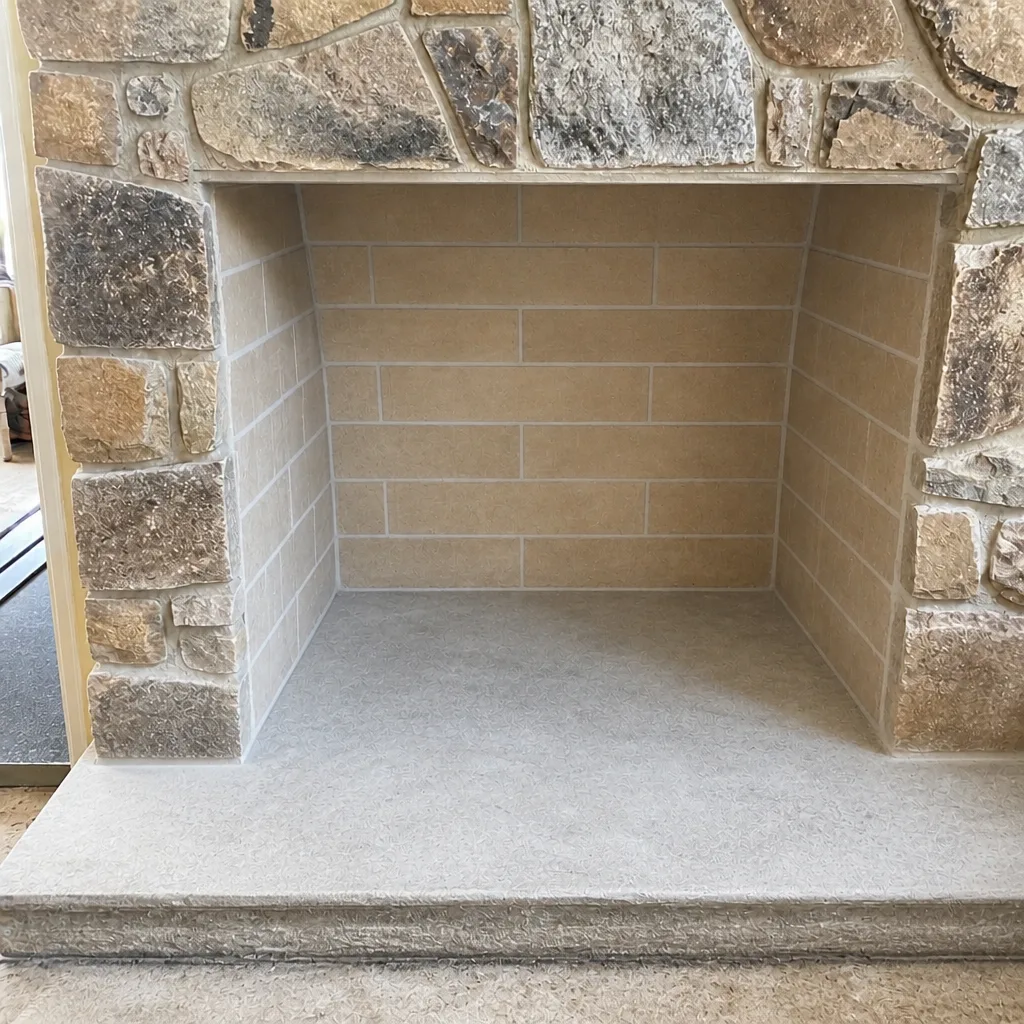
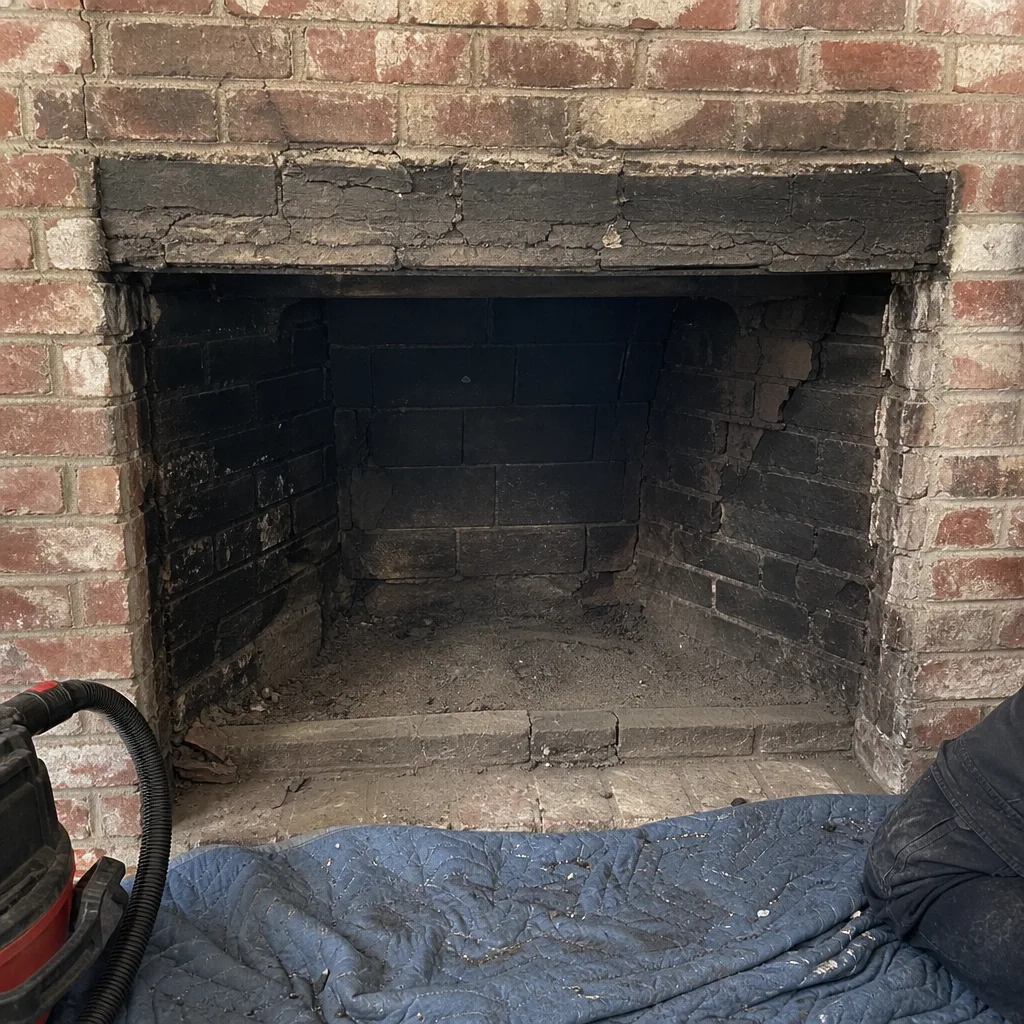
See the difference
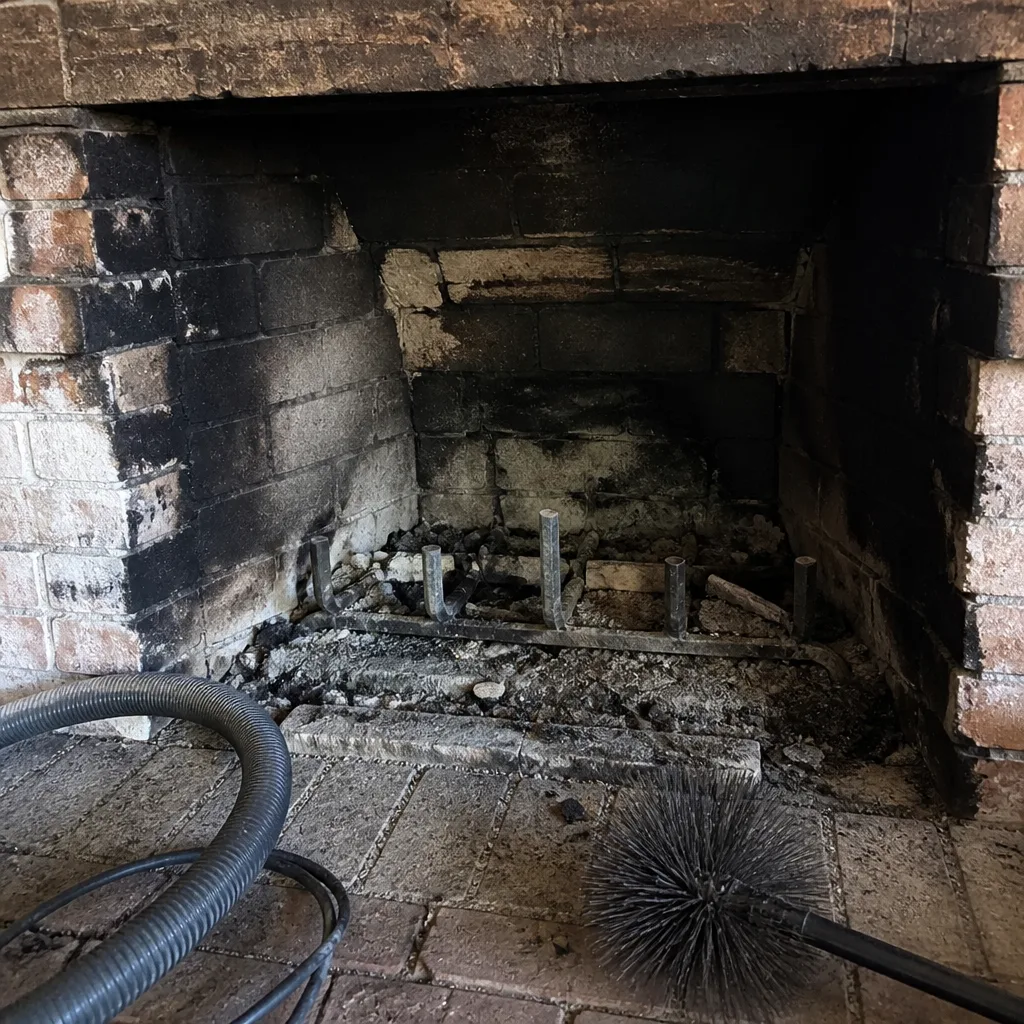 Before
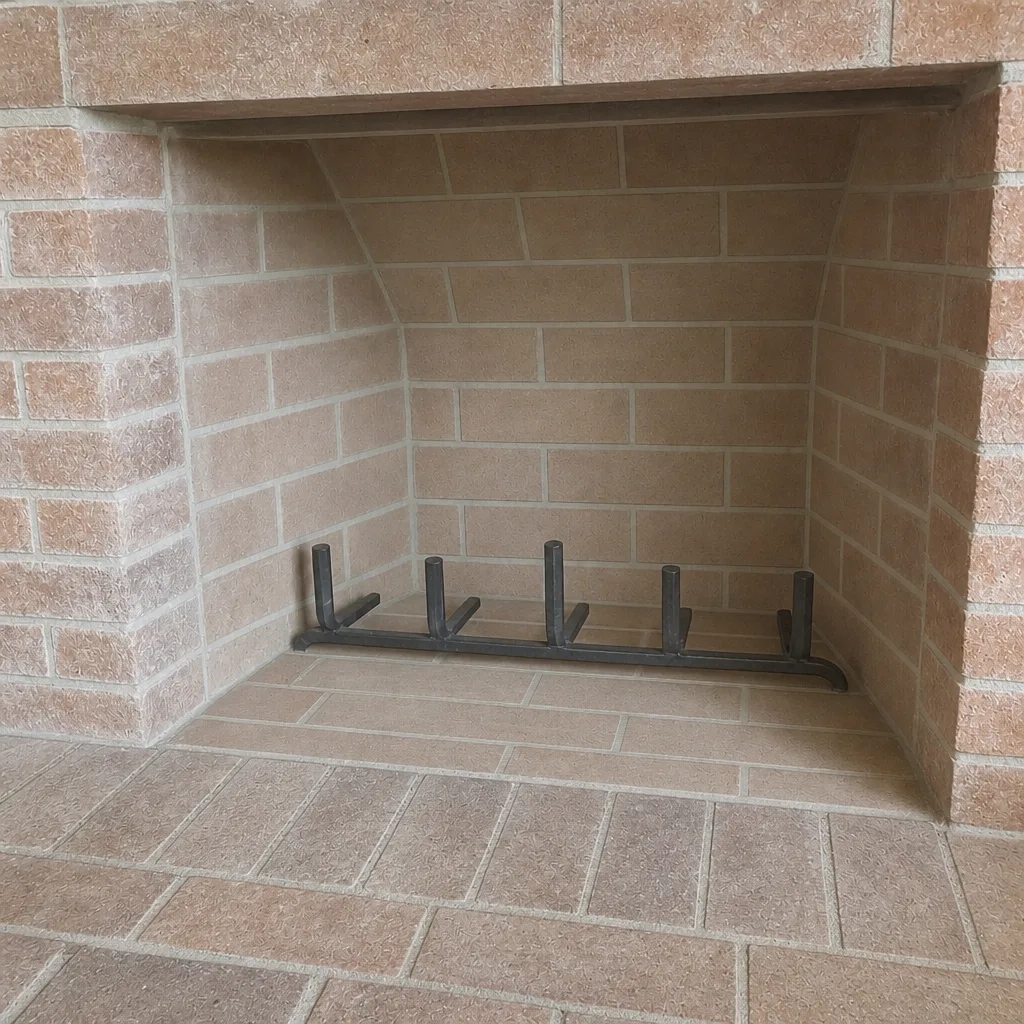 After
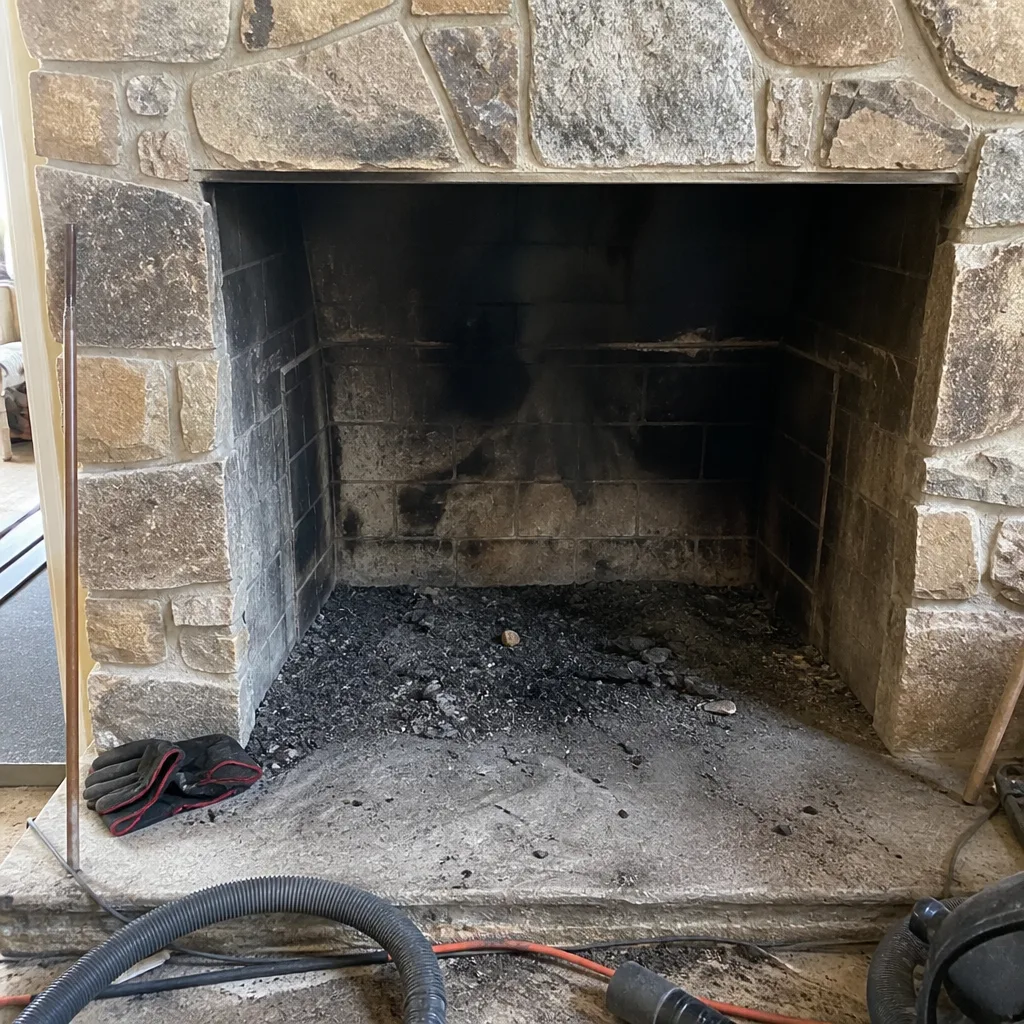 Before
 After
 Before
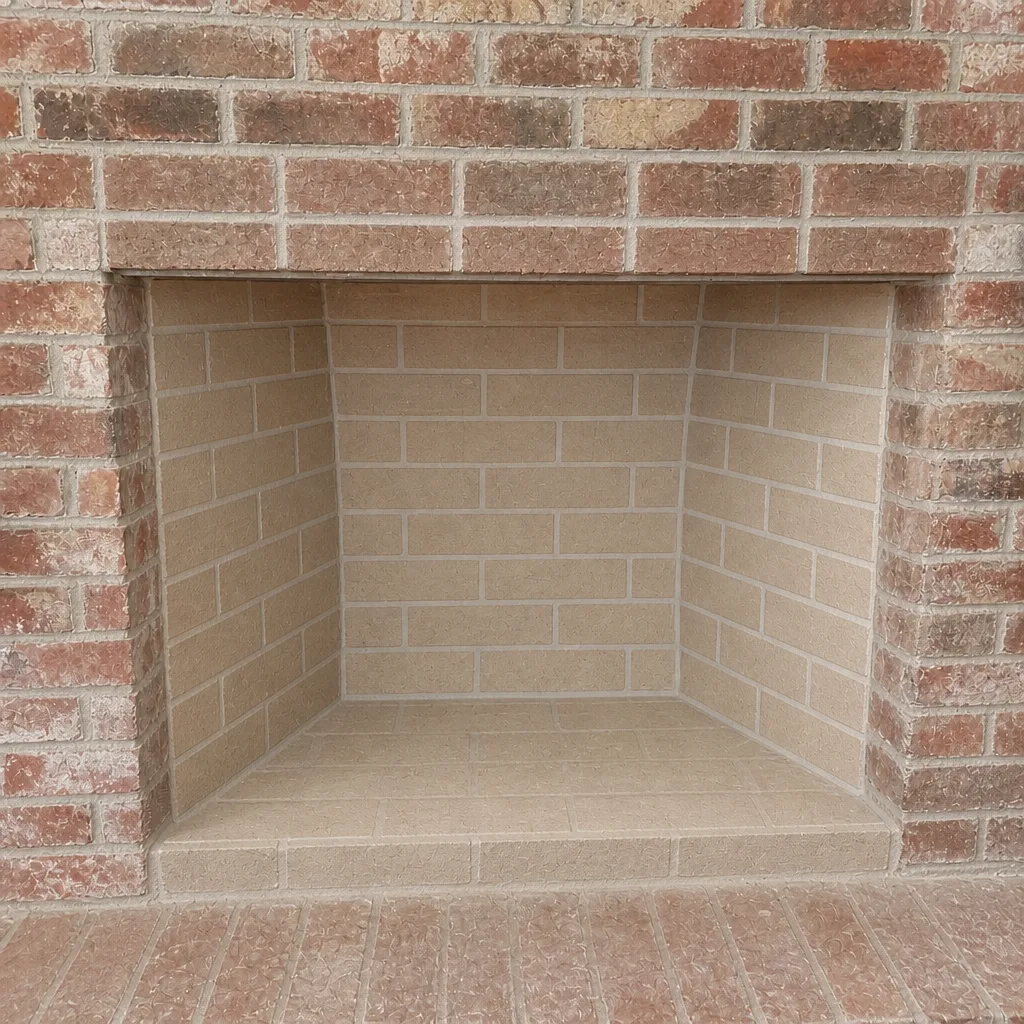 After
When to Call a Professional
Call when your wood-burning fireplace sees steady use, when you’ve never had a camera inspection, when you smell smoke indoors or see staining on the chimney exterior, or when you’re selling a Westpark home and need documented maintenance on record. Call if you’ve had a chimney fire, even a small one. Call if the flue is unfamiliar territory and you’d rather know than guess. Chimney Sweep Westpark offers free estimates in Westpark – call (833) 468-5984. We answer 24/7. Fast dispatch from 7am to 7pm, Sunday through Friday. Every visit includes the sweep, the inspection, and the written report, and the written estimate sets the final price.
If you already know the flue needs repair, we can look at the full picture in one visit – sweep, inspect, and repair scoped together so you’re not paying for separate trips. Our team works with Gelco, Olympia Chimney, Famco, and Copperfield on the parts side, and HeatShield and DuraFlex on the restoration side. That means the answer you get is the answer that gets done, without a handoff to another trade. It’s one call, one specialist, and one report you can keep on file.
Frequently Asked Questions
A standard chimney sweep in Westpark typically runs $150-$300 depending on the flue’s condition and the fireplace type, and a combined sweep plus camera inspection runs $250-$450. The written estimate sets the final price. Call (833) 468-5984 for an exact quote – estimates are free.
You can remove loose soot with a rented brush and a shop vac, but you cannot perform the camera inspection that tells you whether the flue is structurally sound. For a gas fireplace with a recently inspected intact liner and light use, occasional DIY sweeping between professional visits is reasonable. For an actively used wood-burning fireplace, the annual professional service is what actually protects your home.
A sweep removes soot and creosote; an inspection tells you whether the flue is safe. The sweep is the easy half. The inspection is what catches cracked tiles, liner deterioration, and smoke chamber problems that a brush never reveals. We perform both in a single visit and provide a written report with photographs.
Carriers investigate the cause and maintenance history of any chimney fire, and a dated professional inspection report is much stronger evidence than a self-performed sweep. A DIY cleaning leaves no paper trail. In Westpark, keeping an annual inspection on file is the simplest way to avoid questions you can’t answer.
Only a camera inspection can tell you whether the liner needs work, and nothing is recommended without photo evidence you can see for yourself. When a liner is deteriorated, a DuraFlex flexible liner system can restore a safe flue. When the flue interior is damaged but the chimney structure is sound, HeatShield resurfacing can often restore it without a tear-down. If neither is needed, we say so. Call (833) 468-5984 to book an inspection and find out what’s actually going on.
An annual professional sweep with a camera inspection is the standard for any actively used wood-burning fireplace, and the same pace works well for gas fireplaces even though they produce less soot. If the fireplace is used lightly, we still recommend the inspection every year because the flue and cap can deteriorate independent of the firebox’s use. Call (833) 468-5984 for an exact quote – estimates are free.
The Bottom Line
DIY chimney cleaning handles soot. It doesn’t handle the question that actually matters, which is whether the flue is safe. For gas fireplaces with an intact liner and light use, doing minor maintenance between professional visits is reasonable. For wood-burning fireplaces and for any home without a recent inspection on record, the annual professional sweep plus camera report is the service that protects your home, simplifies insurance questions in California, and gives you a dated record of the chimney’s condition. The equipment overlap doesn’t favor DIY once you weigh what a rented brush can’t do. If you’re in Westpark and you haven’t had an inspection in the past year, that’s the call to make before anything else.
If you’d like a free estimate for a sweep, an inspection, or a clearer picture of whether your chimney actually needs repair work, call Chimney Sweep Westpark at (833) 468-5984. We answer 24/7. Fast dispatch from 7am to 7pm, Sunday through Friday. Sweep, inspect, repair – handled in one visit by the same specialist, with materials from the same brands professional masons specify. For a first call and the full scope of what we handle, start at Chimney Sweep Westpark.
Written by the team at Chimney Sweep Westpark.