
Last updated November 24, 2026
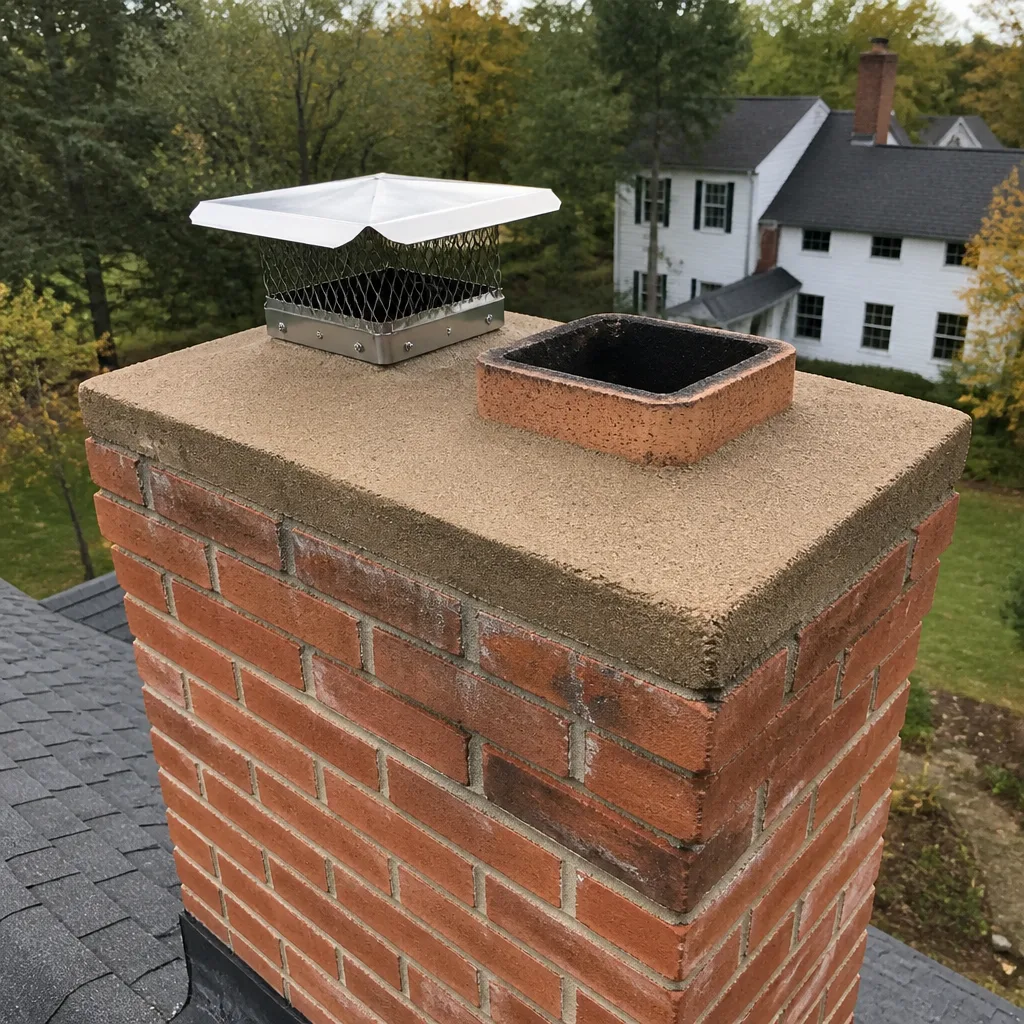 Sweep & inspection
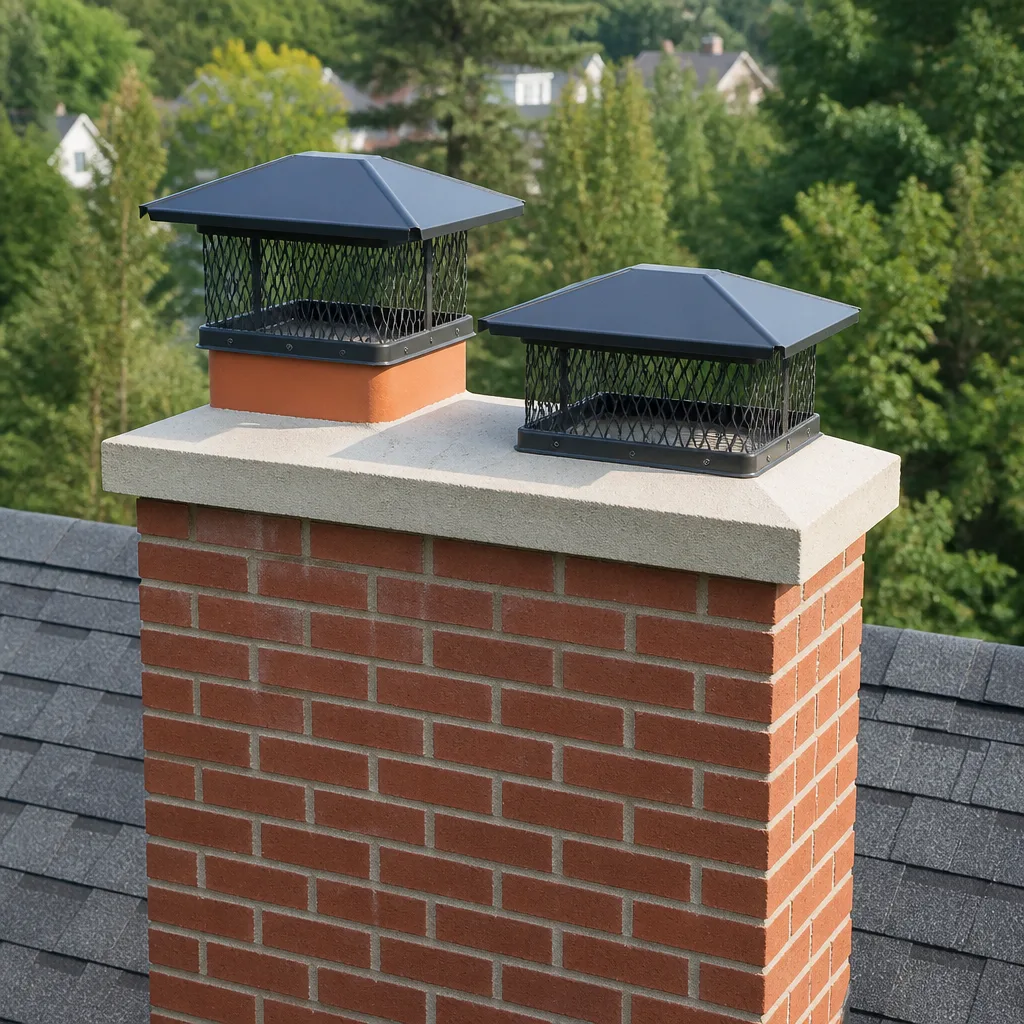 Caps & crowns
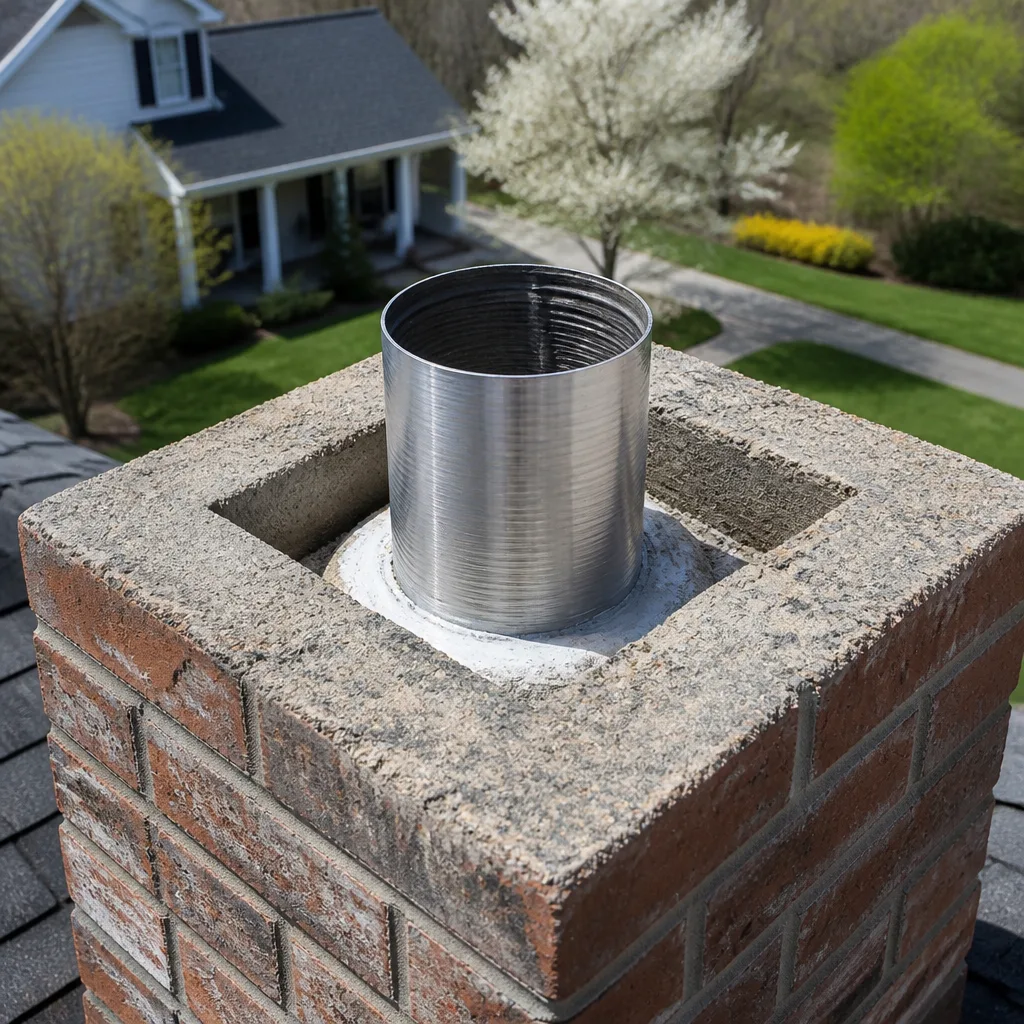 Flue relining
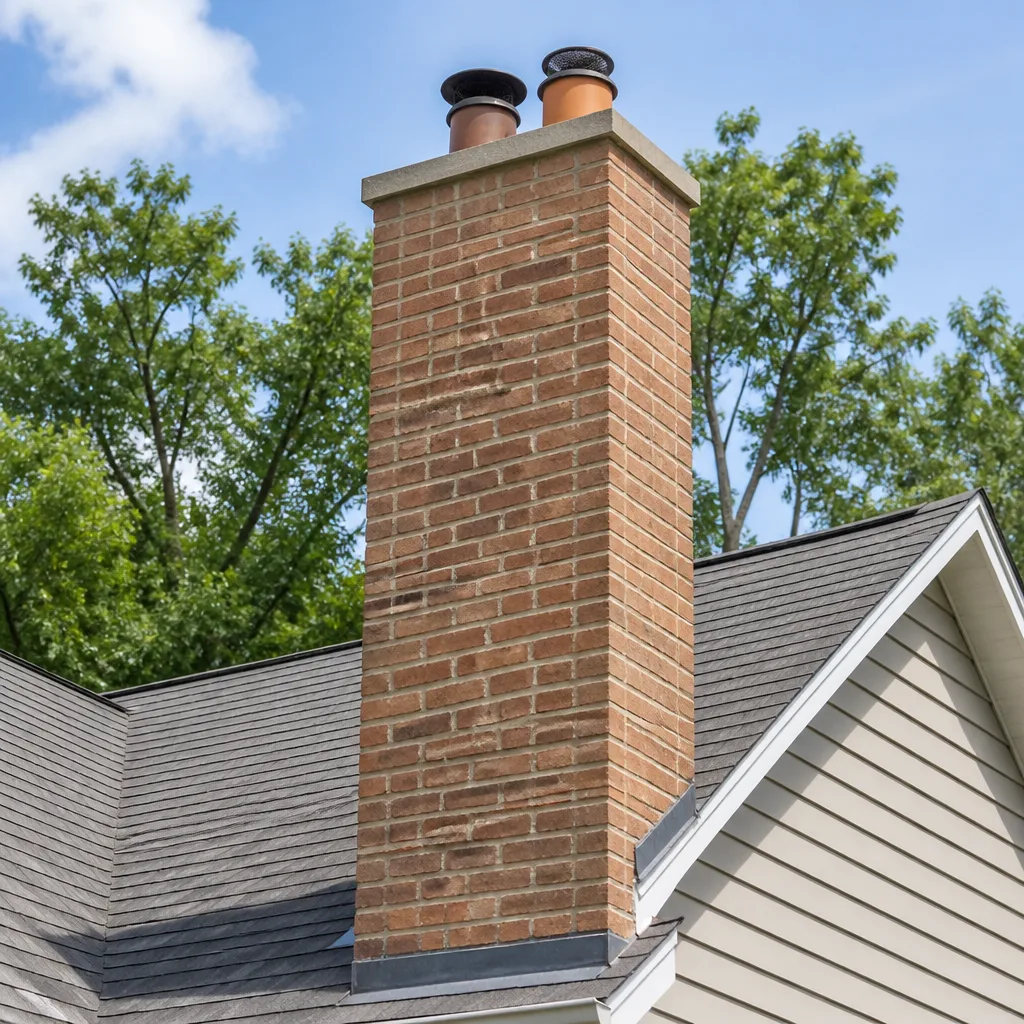 Masonry repair
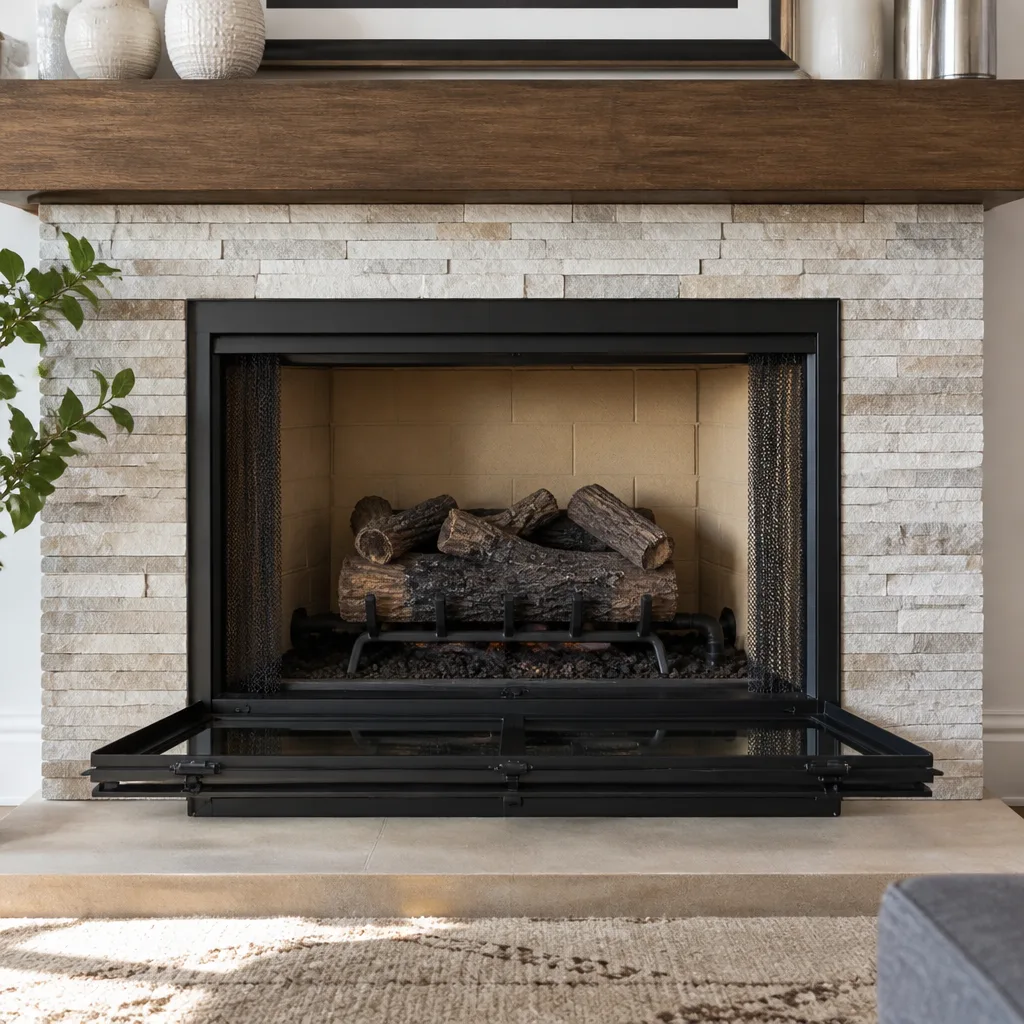 Gas fireplace service
Level 1 sweep and inspection to the NFPA 211 annual standard - flue, crown, cap, and flashing checked and photographed
Chimney sweep logs do not sweep chimneys. They loosen some creosote - which then falls where a brush and vacuum still have to collect it.
The Complete Guide to Chimney Cleaning in Westpark
A chimney can pass a visual inspection and still hold a layer of glazed creosote that a standard brush won’t touch. That surprises a lot of homeowners, and it’s the reason chimney cleaning in Westpark is best understood as a sequence of connected steps rather than a single chore. Mild winters here change how fires burn, how creosote forms, and what a cleaning actually needs to accomplish. Skip one step, and the work done on the others matters less. This guide walks through the whole system – fuel, flue, liner material, inspection level, and documentation – so you know what a complete cleaning looks like and what to expect when we arrive.
Quick Answer
Chimney cleaning in Westpark means brushing and vacuuming the full flue, smoke chamber, and firebox, then inspecting the liner and joints for damage. In our mild climate the deposit is often sticky rather than dry, so the sweep needs to match the creosote type, not just the flue diameter. A complete visit ends with a written report and photos of what we found.
Styles & brands we work with
- Sweep & inspection
- Caps & crowns
- Flue relining
- Masonry repair
- Gas fireplace service
Table of Contents
- Why Westpark’s Mild Winters Create a Specific Creosote Problem
- Fuel Type First: Wood, Gas, and What Each One Leaves Behind
- Level 1, 2, and 3 Inspections: Which One Applies to You?
- Clay Tile vs. Stainless Steel Liners: Two Different Approaches
- What a Full-Service Cleaning Actually Includes
- How to Read the Technician’s Written Report
- How Often Should a Westpark Chimney Be Swept?
- When Cleaning Turns Up a Repair: Liners, Caps, and Resurfacing
Why Westpark’s Mild Winters Create a Specific Creosote Problem
Cold-climate homes burn hot fires because they have to. In Westpark, winters are mild enough that many households light a fire for atmosphere on a cool evening rather than to heat the house for weeks at a stretch. That pattern produces a different creosote than most chimney guides describe, and it’s the most common thing we explain to homeowners here.
Creosote forms when smoke cools before it leaves the flue. A hot, steady fire pushes exhaust up and out quickly, so less condenses on the flue walls. A small, smoldering, or intermittent fire sends cooler, wetter smoke up a flue that never fully warms. The result is condensation, and condensation leaves a sticky, gummy layer that dry brushing doesn’t remove cleanly. Over a season of short evening fires, that layer can build up faster than the same wood would produce in a house running a fire continuously through a hard winter.
Three habits make it worse in Westpark homes:
- Burning unseasoned wood, which releases moisture that cools the smoke and feeds the sticky deposit.
- Damping a fire down early to stretch a load of wood, which smolders rather than burns.
- Letting a chimney sit unused for months after a few short fires, so the deposit sits and hardens instead of being brushed out.
This is why a sweep here can’t just run a brush through and call it done. The technician needs to identify the creosote type – dry and flaky, sticky, or glazed and hard – because each one is removed differently. Glazed creosote in particular is stubborn and needs a proper assessment before anyone reaches for a standard brush. If you’re not sure what’s in your flue, our chimney sweep service starts with identifying the deposit before any cleaning begins.
Fuel Type First: Wood, Gas, and What Each One Leaves Behind
The first question we ask on any Westpark call is simple: what do you burn? A wood-burning fireplace, a wood stove, and a gas fireplace produce completely different byproducts, and that changes what a cleaning involves. Treating them the same is one of the most common shortcuts in this trade.
Wood-burning fireplaces and stoves
Wood is what most people picture when they think about chimney cleaning, and it’s the fuel that produces real creosote. A wood fire leaves behind soot, ash, and the condensed creosote described above. It also deposits ash and debris in the smoke chamber and on the smoke shelf, the flat ledge just above the damper. That ledge traps creosote and ash out of sight, and a sweep that never reaches it leaves a real fire hazard behind.
Gas fireplaces
A gas fireplace doesn’t produce creosote the way wood does, but it isn’t maintenance-free. Gas burns leave behind a fine dust, and the flue can pick up debris and the occasional bird or insect nest. The bigger issues with gas units are physical: a damaged liner, a blocked vent, or a firebox that has developed cracks. A gas fireplace still needs inspection, and a cleaning pass on the flue and firebox to remove what’s collected and confirm the vent is clear.
What the fuel type tells us
Knowing the fuel tells us three things before we arrive: what we’re removing, how we’ll remove it, and which parts of the system need the closest look. A wood fireplace gets focused attention on the smoke chamber and firebox joints. A gas unit gets focused attention on the vent and the firebox itself. Same chimney, different priorities. Our fireplace repair work follows the same logic – you fix and service the fireplace based on what it actually burns.
Level 1, 2, and 3 Inspections: Which One Applies to You?
Not all chimney inspections are the same, and the level you need depends on what happened since the last one. There are three levels, each more involved than the one before. Knowing the difference matters because a Level 1 inspection will miss problems that only a camera or a full assessment can find.
- Level 1: A visual check of the accessible parts of the system – the firebox, damper, smoke chamber, and as much of the visible flue as can be reached. This is the standard inspection that comes with a routine cleaning, and it’s right for a chimney that’s been used normally and has no known problems.
- Level 2: Everything in Level 1 plus a camera run through the full flue, so the technician sees the liner from top to bottom. This is the level you want after an earthquake tremor, after the chimney has sat unused for a long stretch, after a change in the system, or when you’ve just moved into a Westpark home and don’t know its history.
- Level 3: Everything in Level 2 plus opening up parts of the chimney structure itself, used only when a specific defect needs direct access to assess. This is rare and usually follows a known problem found at Level 2.
Two Westpark scenarios push homeowners from Level 1 to Level 2 more often than anything else. The first is earthquake movement: tremors here can crack a clay tile liner or open a joint that a visual sweep won’t reveal, since the damage is often on the inside of the flue where you can’t see it from the firebox. A camera run shows it directly. The second is extended non-use. A chimney that sat closed up for a year or more can pick up debris, animal nests, and a hardened deposit layer – all worth checking with a camera before the next fire.
If you’ve moved into a home here recently or your chimney has been quiet for a while, ask for the camera inspection as part of the visit. You should be able to see what the camera sees.
Clay Tile vs. Stainless Steel Liners: Two Different Approaches
Most homes of a certain age in Westpark were built with clay tile liners. Newer installs and relined chimneys often use stainless steel. Both are solid systems, but they wear differently and need to be swept differently. A technician who treats them the same is working with one technique instead of two.
Clay tile liners
A clay tile liner is a stack of fired clay sections mortared together inside the chimney. The sections are built to resist heat, but the joints between them are the weak point. Over time and with movement, a joint can open or a tile can crack. When a tile cracks, creosote can reach the masonry behind it, which is a real hazard, and the flue no longer holds its shape for the gases it needs to carry.
Brushing a clay liner takes a lighter touch. A stiff or oversized brush can catch on a rough joint or a chip in a tile and damage it further. The technician needs to assess the tile condition first, then brush to match. A camera inspection matters more here, because the damage typically shows on the inner face of the tiles, not the outside.
Stainless steel liners
A stainless steel liner is a continuous, smooth pipe inside the chimney, usually flexible so it can follow the existing flue. It cleans easily, and the brush passes smoothly along its smooth wall. Because it’s a single run, there are far fewer joints to worry about, and a visual look inside often tells you a lot. The attention here goes to the top and bottom connections – where the liner meets the cap and the appliance – and to the condition of the steel itself over time.
When a clay liner is too far gone to brush safely, relining with a flexible stainless system from DuraFlex lets us restore a sound flue without rebuilding the chimney. That’s a real option to know about before a cleaning turns into a bigger conversation. You can read more about protecting the top of the system in our guide to chimney cap & crown work.
What a Full-Service Cleaning Actually Includes
A complete chimney cleaning in Westpark covers more than the flue. Budget operators sometimes brush the visible flue and leave the rest, and the parts they skip are often where the risk lives. Here’s what a full service should actually cover, and what a shortcut version leaves out.
What a full cleaning includes
- The main flue: Brushed end to end, with the brushing matched to the creosote type and the liner material, and all debris captured with a vacuum system so nothing ends up in your living room.
- The smoke chamber: The tapered space above the damper, brushed and vacuumed clean. This is one of the most skipped parts of the job, and it’s where creosote collects out of sight.
- The smoke shelf: The ledge above the damper where ash and creosote pile up. It gets cleared, not left bridged with debris.
- The firebox: Cleaned, with the joints inspected for gaps or cracks. A cracked firebox joint can let heat and gases into places they shouldn’t go.
- A visual check of the cap and crown: Looking for a missing or damaged cap, or a cracked crown, before they become a leak.
- An inspection at the appropriate level: A visual Level 1 with the cleaning, or a camera-based Level 2 when the situation calls for it.
What gets skipped
- The smoke chamber and smoke shelf, which are harder to reach and easy to pass over.
- Firebox joint inspection, which requires looking, not just sweeping.
- A camera check after a tremor or a long idle period.
- A written report with photos, which a quick brush-and-go doesn’t produce.
When we sweep, we’re working exclusively on chimneys. Every tool and every bit of attention is specific to this system, and the result is a cleaning that covers the whole assembly, not just the part you can see.
How to Read the Technician’s Written Report
A chimney cleaning should end with documentation: a written report you keep, with photos of what the technician found. This is your record of the system’s condition, and it’s also how you tell a real assessment from a sales pitch. The report should tell you exactly what was found and exactly what it costs to fix it, without vague language.
Here’s what a proper report should contain:
- What was cleaned: The specific parts of the system the technician swept – flue, smoke chamber, smoke shelf, firebox – so you know the scope of the work.
- What was found: The creosote type and thickness, and whether it was removed completely or needs a follow-up.
- Liner condition: The state of the clay tiles or stainless liner, with photos of any cracked tile or open joint.
- The inspection level performed: Level 1, 2, or 3, so you know whether a camera was used.
- Photos: Pictures of the firebox, flue, cap, and crown. If something is flagged, there should be visual evidence you can see.
- Recommendations with a written price: What needs doing, why, and what each job costs. Nothing gets recommended without camera evidence you can see for yourself.
- What can safely wait: Good technicians will tell you what’s fine for now. If a repair can wait a season without risk, the report should say so.
Read the report before you sign anything, and look at the photos. If a technician recommends a liner replacement and can’t show you why, that’s a reason to get a second look. The report is your evidence, not just a receipt.
How Often Should a Westpark Chimney Be Swept?
The industry standard is to sweep a wood-burning chimney at least once a year, and that baseline holds in Westpark. But the climate changes the timing here. Because our winters are mild and fires are often short and occasional, the creosote can be stickier and build faster than the “a cord or two a year” advice suggests. A chimney used lightly over several short evenings could need attention sooner than a homeowner expects.
Beyond the annual baseline, these situations call for a sweep or an inspection outside your normal routine:
- You’ve burned a lot of wood – more than you usually do in a season. More fuel means more deposit.
- You smell smoke or creosote when the fire isn’t burning. That smell suggests a deposit or a draft problem.
- The fire draws poorly or smokes into the room. A blocked or dirty flue is a common cause.
- Earthquake tremors have moved through the area. Get a camera inspection before the next fire.
- The chimney has sat unused for a year or more. Get a check before relighting it.
If you burn gas, the annual inspection still applies, even though there’s no creosote to speak of. Skip that check and problems can sit quietly until they don’t. When in doubt, a level-based inspection tells you where you stand.
When Cleaning Turns Up a Repair: Liners, Caps, and Resurfacing
Sometimes a cleaning turns up a repair. That’s normal, and it’s why the inspection comes with the sweep. The key is knowing what the repair is addressing and whether it can be done without tearing the chimney apart. A few of the common repairs in Westpark homes:
Flue resurfacing with HeatShield
When a clay liner has cracks or voids but the chimney structure is otherwise sound, a resurfacing system can restore the inner flue without full teardown. The HeatShield system resurfaced the damaged inner face, which restores the flue and extends the chimney’s life considerably – with less cost and disruption than a rebuild. It doesn’t apply to every situation: if the liner is too far gone, relining is the better answer. The camera inspection decides which.
Relining with DuraFlex
When a liner is deteriorated or undersized for the appliance it serves, a flexible stainless steel liner from DuraFlex installs a continuous flue inside the existing chimney. This is professional-grade relining, and it’s the kind of work that needs a chimney specialist, not a generalist. When the relining is done, the flue is sound again and ready for the fire it was built for.
Cap and crown
The cap keeps rain, debris, and animals out of the flue, and the crown seals the top of the chimney from water. A missing cap or a cracked crown can let water into the structure, which damages masonry over time. Both are handled in the same visit as a cleaning or an inspection – no separate call needed.
Every recommendation we make is backed by photo evidence, and we tell you plainly what can wait. If it’s a low-priority item, the report will say so.
Common Mistakes to Avoid
- Assuming a visual pass is a full inspection. A Level 1 check can’t see inside the full flue. After tremors or a long idle period, ask for a camera inspection instead.
- Treating sticky creosote like dry soot. In Westpark’s mild climate, short evening fires produce a gummy deposit that a dry brush won’t clear. Sweeping to match the creosote type matters.
- Skipping the smoke chamber and smoke shelf. These are the parts most often left out, and they’re where creosote collects out of sight. Ask whether they’re included.
- Brushing a clay liner too hard. A stiff or wrong-sized brush can chip or crack older tiles. The technician should assess the tile condition before brushing.
- Using the fireplace after a tremor without a check. Earthquake movement can crack a tile or open a joint where you can’t see it. A camera run is the only reliable way to know.
- Accepting a repair with no evidence. If a major repair is recommended and the technician can’t show you photos of the problem, don’t book it yet.
- Relighting after long non-use without a sweep. A chimney closed up for a year or more can pick up nests, debris, and hardened deposit. Get it checked first.
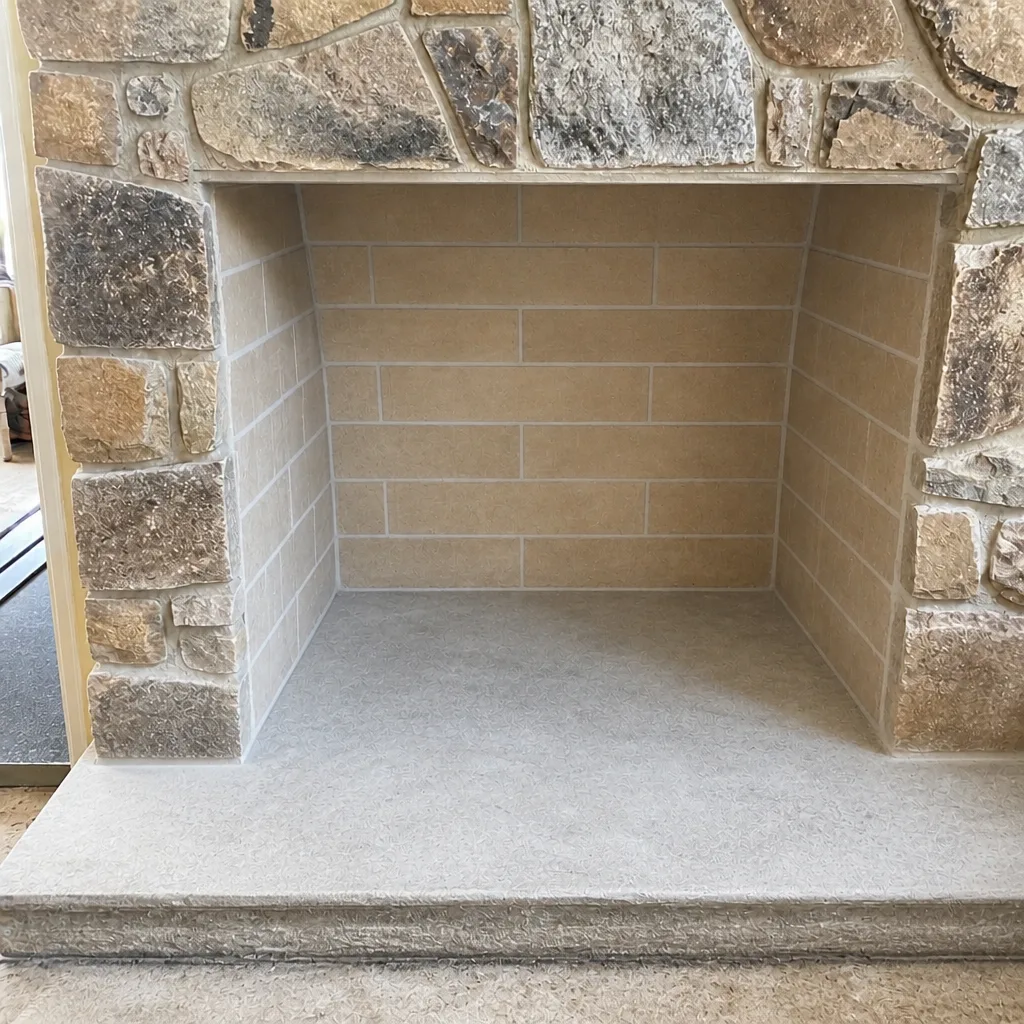
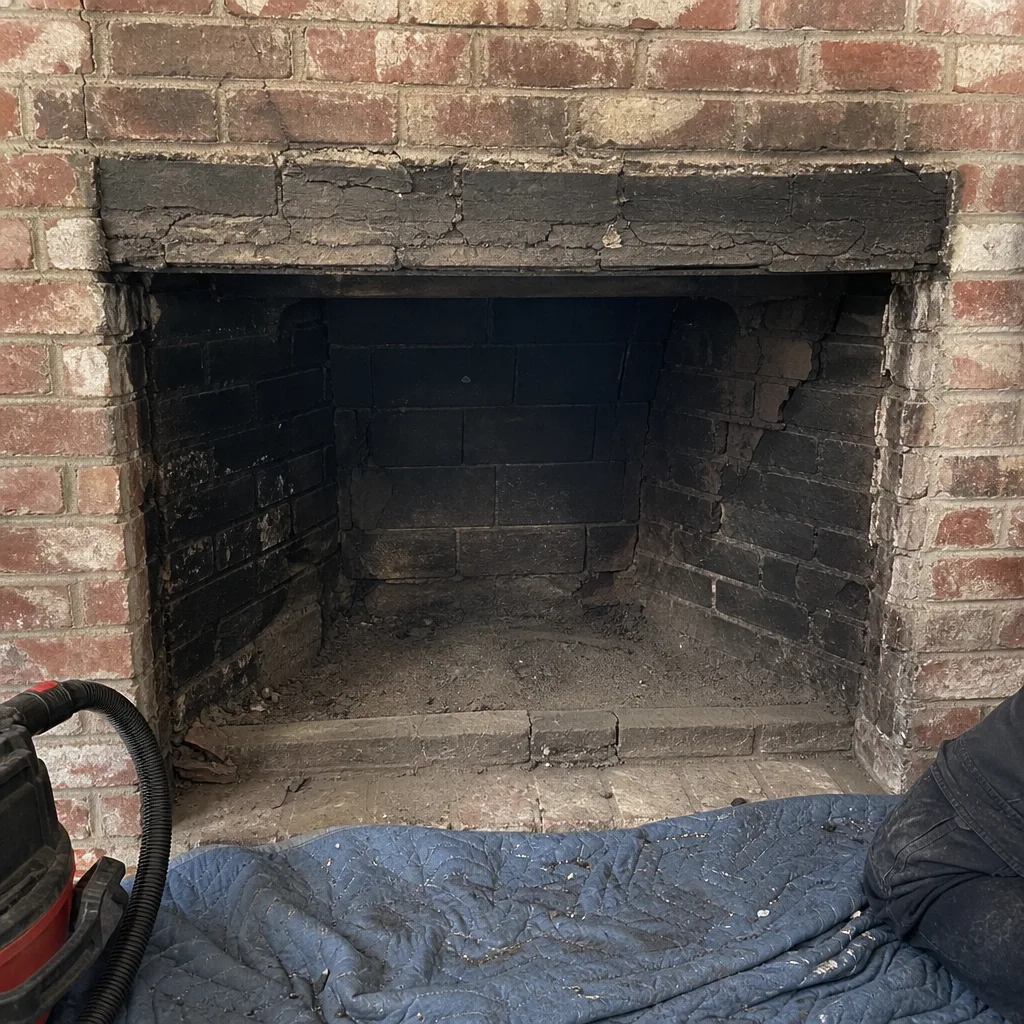
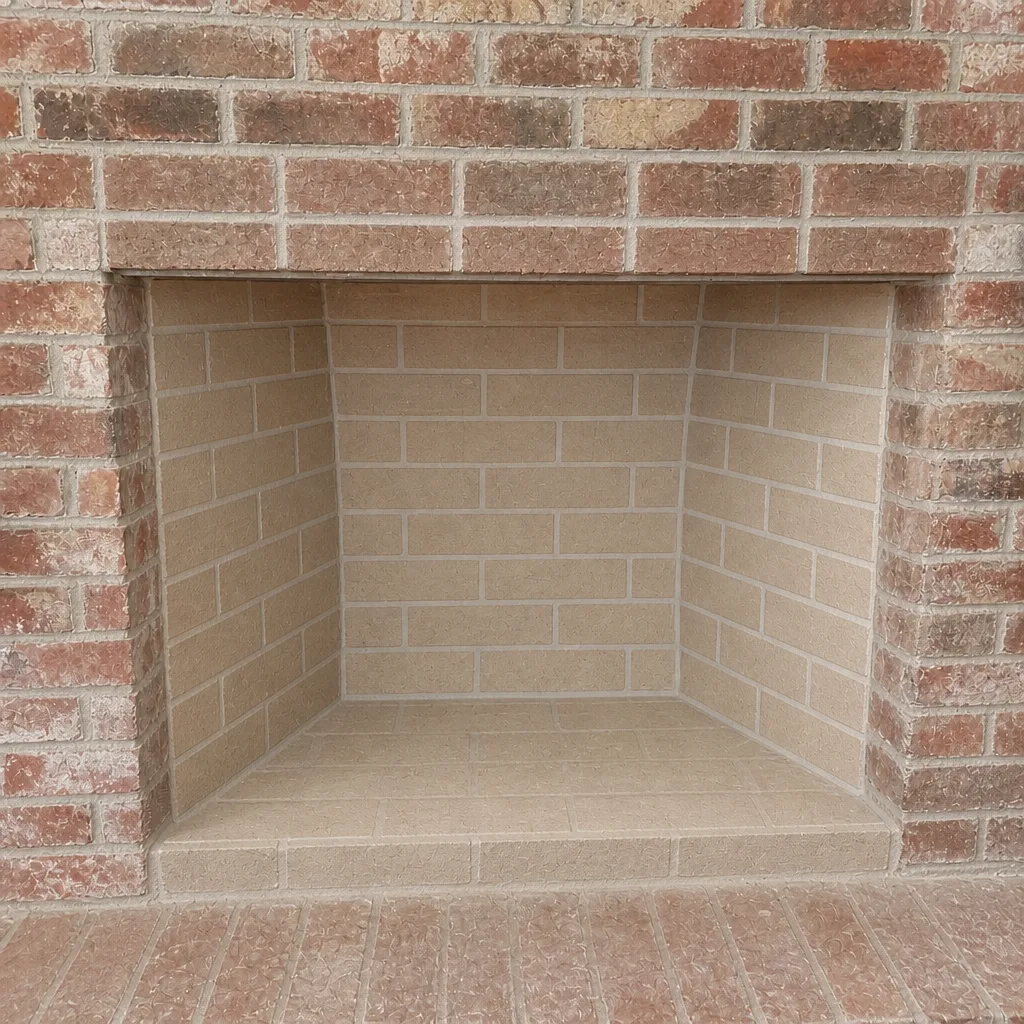
See the difference
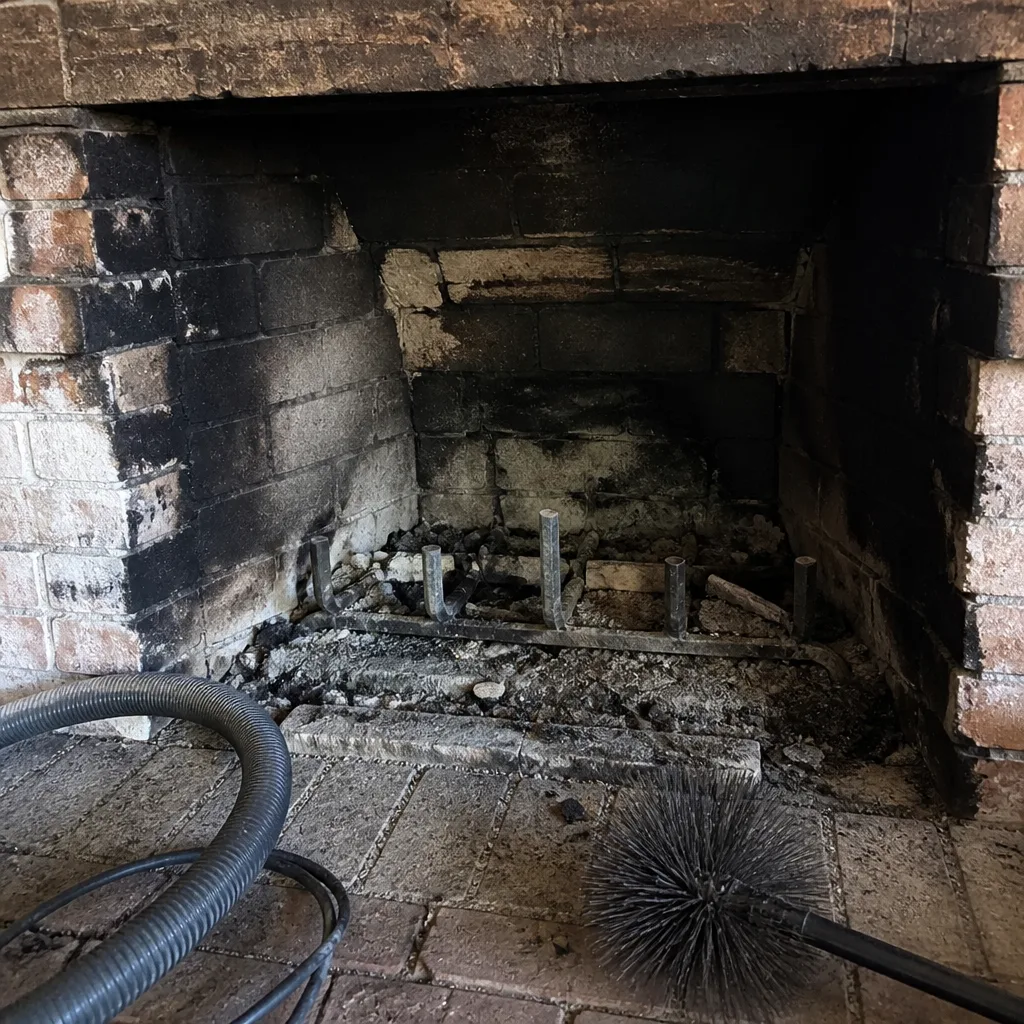 Before
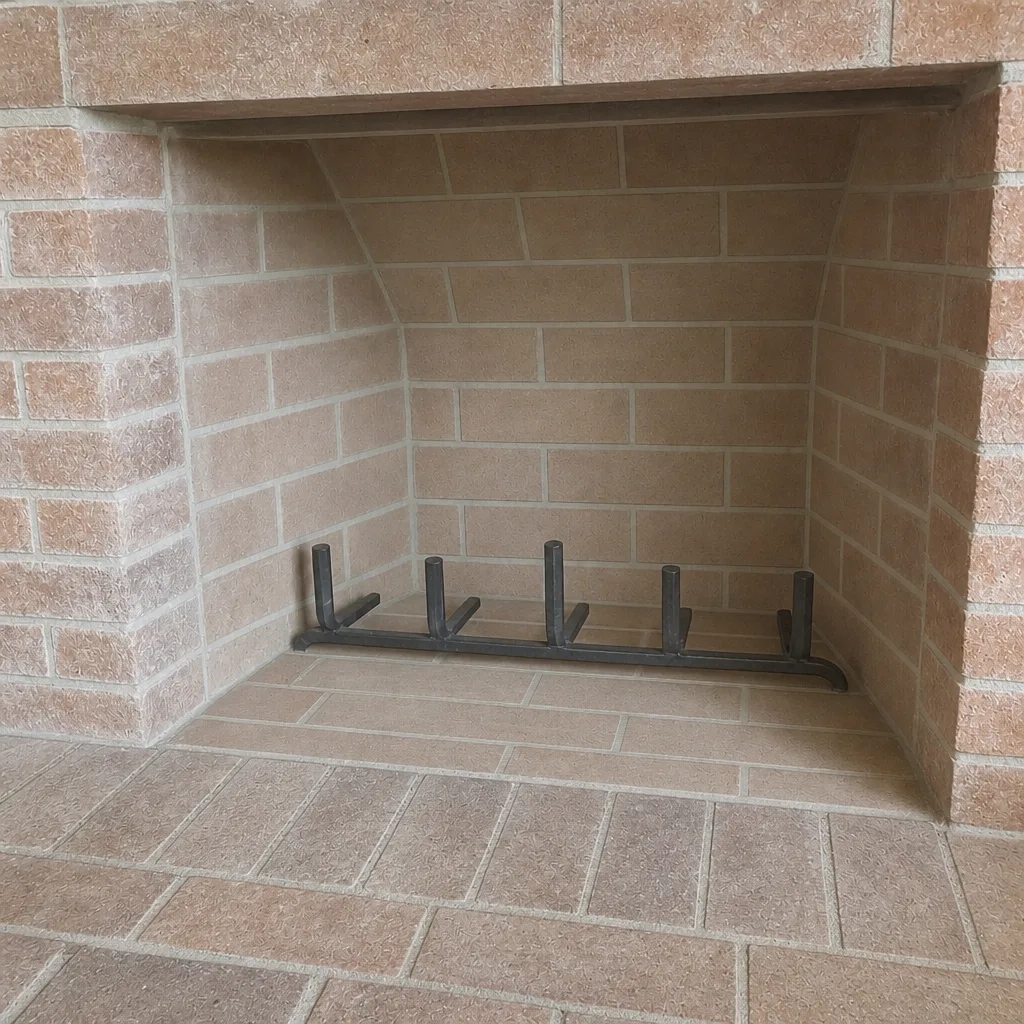 After
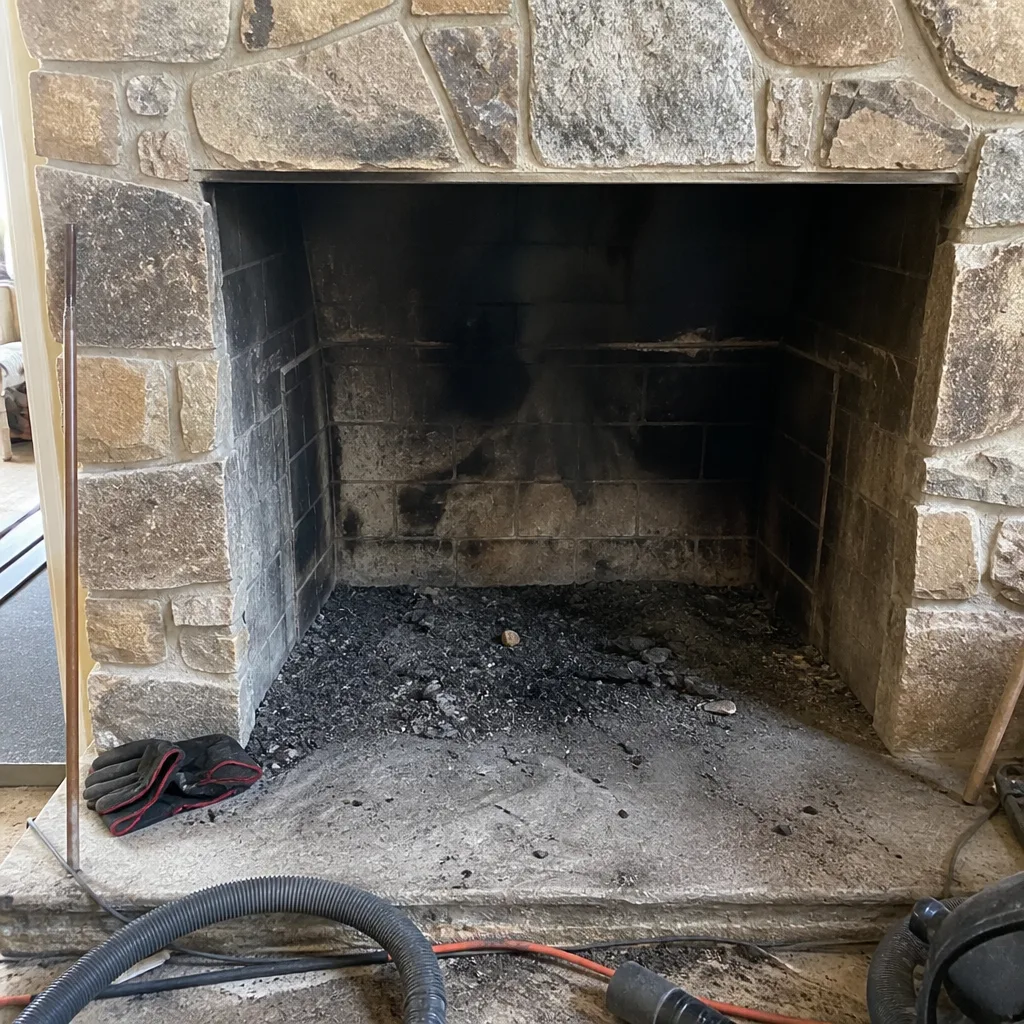 Before
 After
 Before
 After
When to Call a Professional
Some chimney issues are safe to note and watch. Others need a trained technician, and a few are genuinely dangerous to ignore. Call a professional if you smell creosote or smoke when no fire is burning, if the fire draws poorly or smokes into the room, if you’ve felt tremors since the last check, or if the chimney has sat idle for a year or more. These point to a blocked flue, a deposit buildup, or a liner problem. None of them should wait for the next fire.
Two areas deserve a firm word of caution. Clay flue tiles and the joints between them can crack without any visible sign on the outside, and a cracked tile lets creosote reach the masonry behind it – a professional camera inspection is the way to know. And any work at the top of the chimney or inside the firebox is best left to a trained technician rather than handled from a ladder. Chimney Sweep Westpark offers free estimates in Westpark – call (833) 468-5984.
Frequently Asked Questions
Most routine chimney cleanings in Westpark fall in a moderate range, and the exact price is set per job by a written estimate after we see the system. The written estimate sets the final price, so there are no surprises when the work is done. Call (833) 468-5984 for an exact quote – estimates are free.
Only when the inspection shows the existing liner can no longer do its job safely. A cracked clay tile, a joint that has opened, or a flue that’s undersized for the appliance can justify relining with a flexible DuraFlex system. But a liner isn’t always the answer – sometimes HeatShield resurfacing restores the flue without a full reline. Nothing gets recommended without camera evidence you can see, and the report will show the defect before any work is booked. Call (833) 468-5984 for an exact quote – estimates are free.
At least once a year for a wood-burning chimney, and that baseline holds here. Because Westpark’s winters are mild and many fires burn short and cool, sticky creosote can build faster than the “cord or two a year” rule suggests – so a chimney used lightly can still need attention. If you smell creosote, the fire draws poorly, or the chimney sat unused for a year, don’t wait for the annual date. Call (833) 468-5984 for an exact quote – estimates are free.
Creosote builds up, and at a certain thickness it becomes a genuine fire risk because it burns hot inside the flue. A blocked flue can also send carbon monoxide and smoke back into the room instead of up and out. Skipping a cleaning doesn’t make the problem disappear; it lets it grow, and a routine job can become a structural repair. A scheduled sweep is the affordable version. Call (833) 468-5984 for an exact quote – estimates are free.
No. A proper sweep uses a vacuum system at the firebox and brush attachments that capture debris as it’s removed. The work happens in and around the fireplace, and the room is left as we found it. If you have a favorite rug or furniture close to the hearth, a quick mention lets us plan around it. Call (833) 468-5984 for an exact quote – estimates are free.
Yes. A gas fireplace doesn’t produce creosote the way wood does, but the flue can collect dust, debris, and nests, and the firebox and vent still need checking for cracks or blockages. The annual inspection applies to gas units as well, and the camera check matters if something looks off. Call (833) 468-5984 for an exact quote – estimates are free.
The Bottom Line
Chimney cleaning in Westpark is a system, not a single task. Mild winters produce a stickier creosote than cold-climate guides expect, clay tile liners need a lighter touch than stainless, and the inspection level should match what happened since the last check. The parts most often skipped – smoke chamber, smoke shelf, firebox joints – are where the real risk hides. A complete visit ends with photos and a written report, and any repair comes with evidence you can see. Our technicians have up to 15 years of experience, and we work exclusively on chimneys. Every estimate is free.
Call (833) 468-5984. We answer 24/7. Fast dispatch from 7am to 7pm, Sunday through Friday. We’ll tell you exactly what we found and exactly what it costs to fix it.
Written by the team at Chimney Sweep Westpark.