
Last updated November 24, 2026
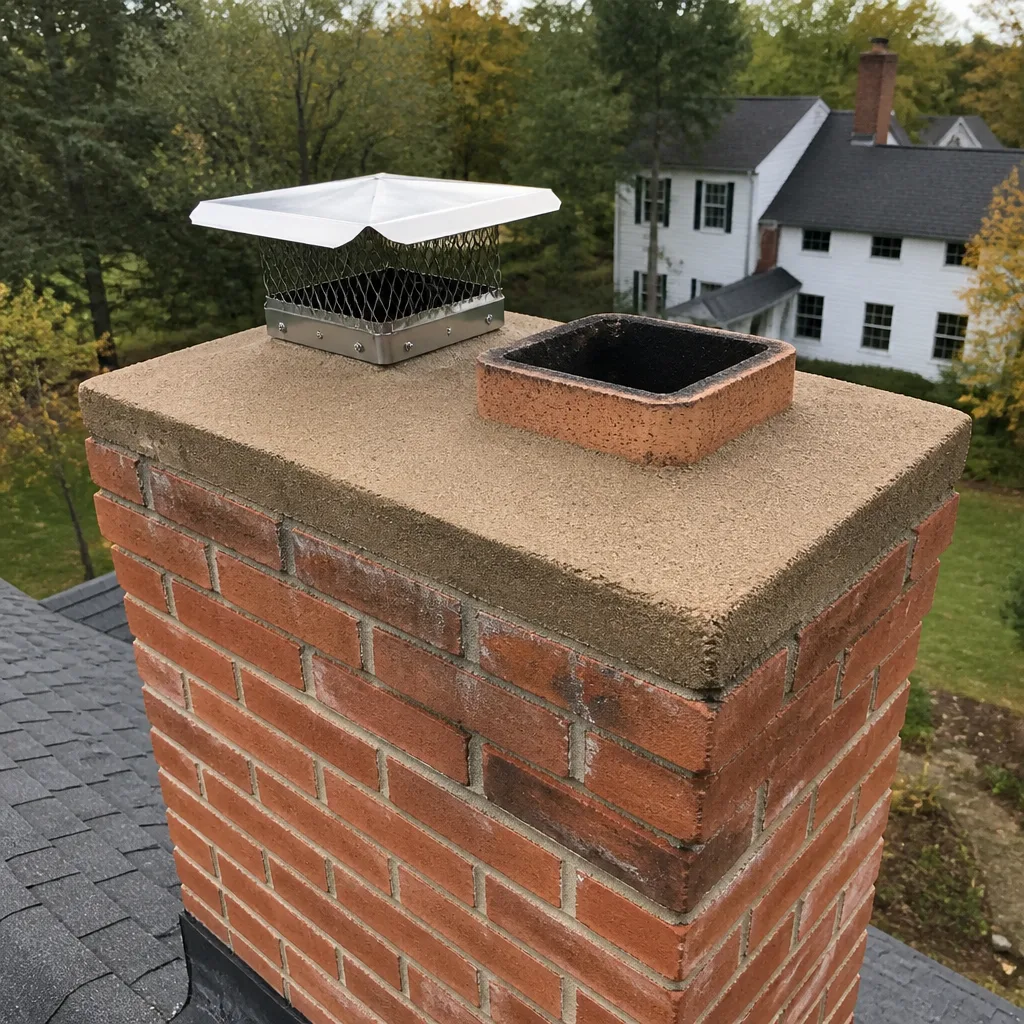 Sweep & inspection
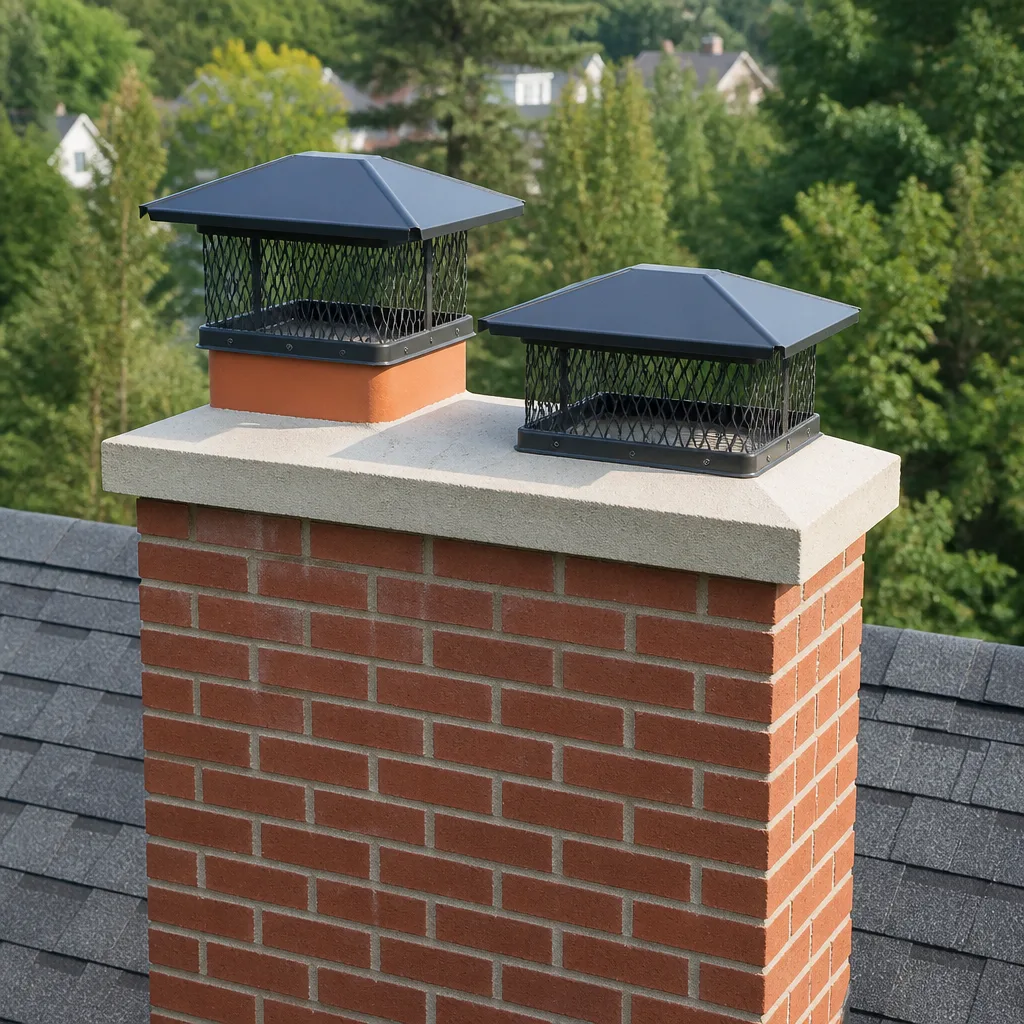 Caps & crowns
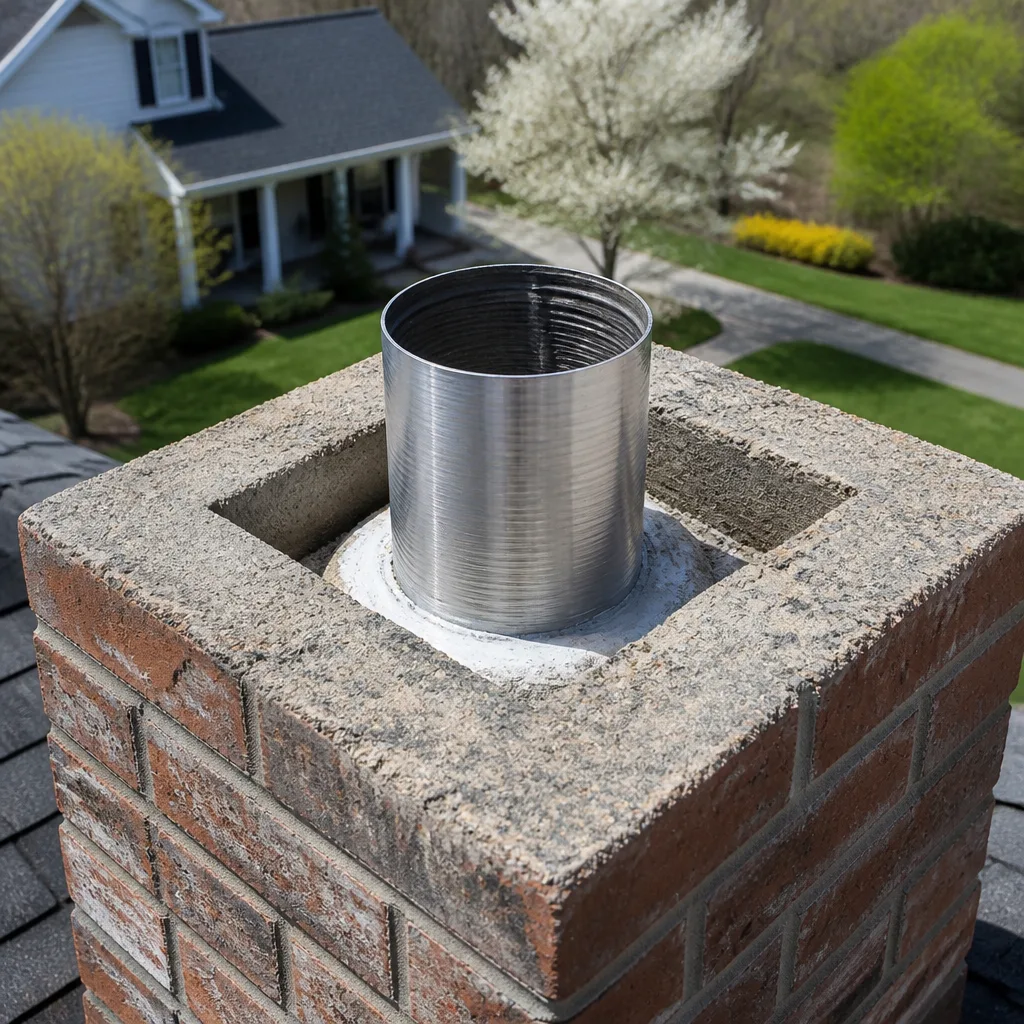 Flue relining
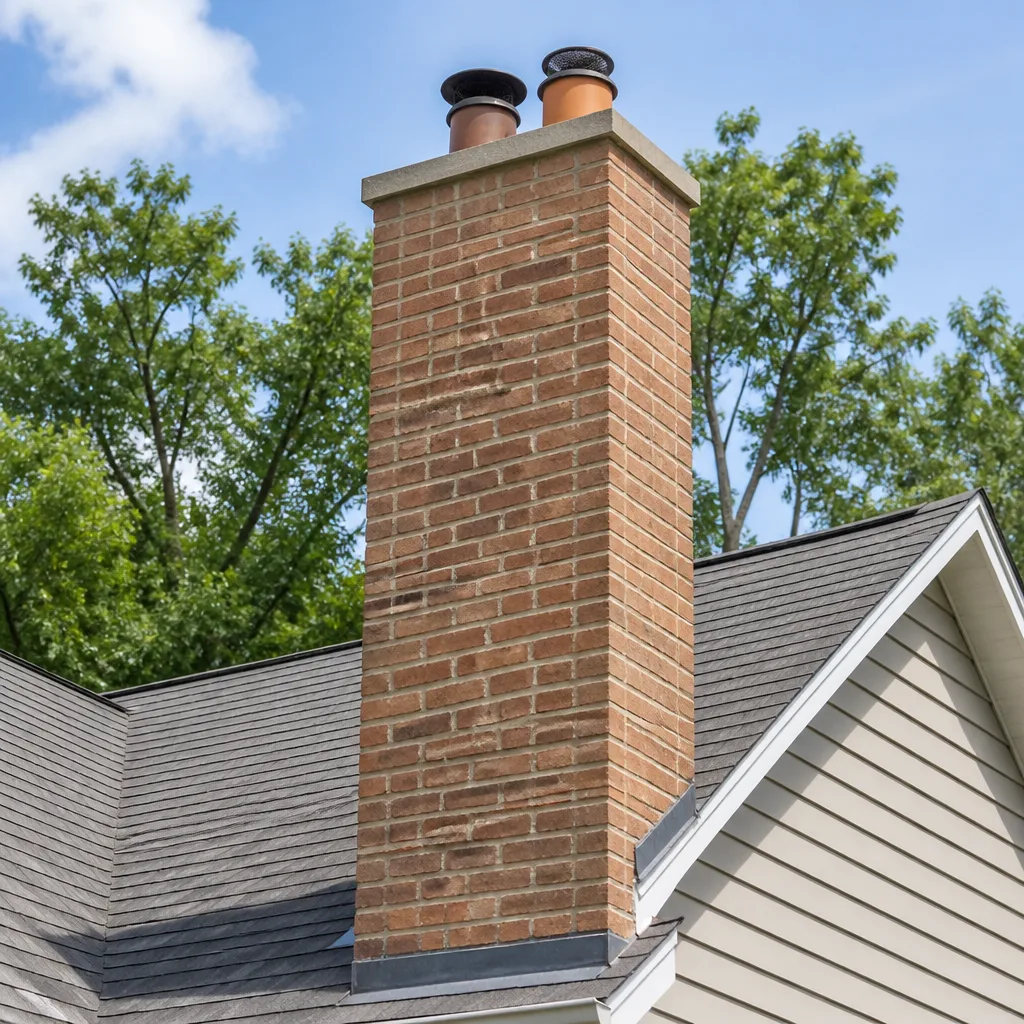 Masonry repair
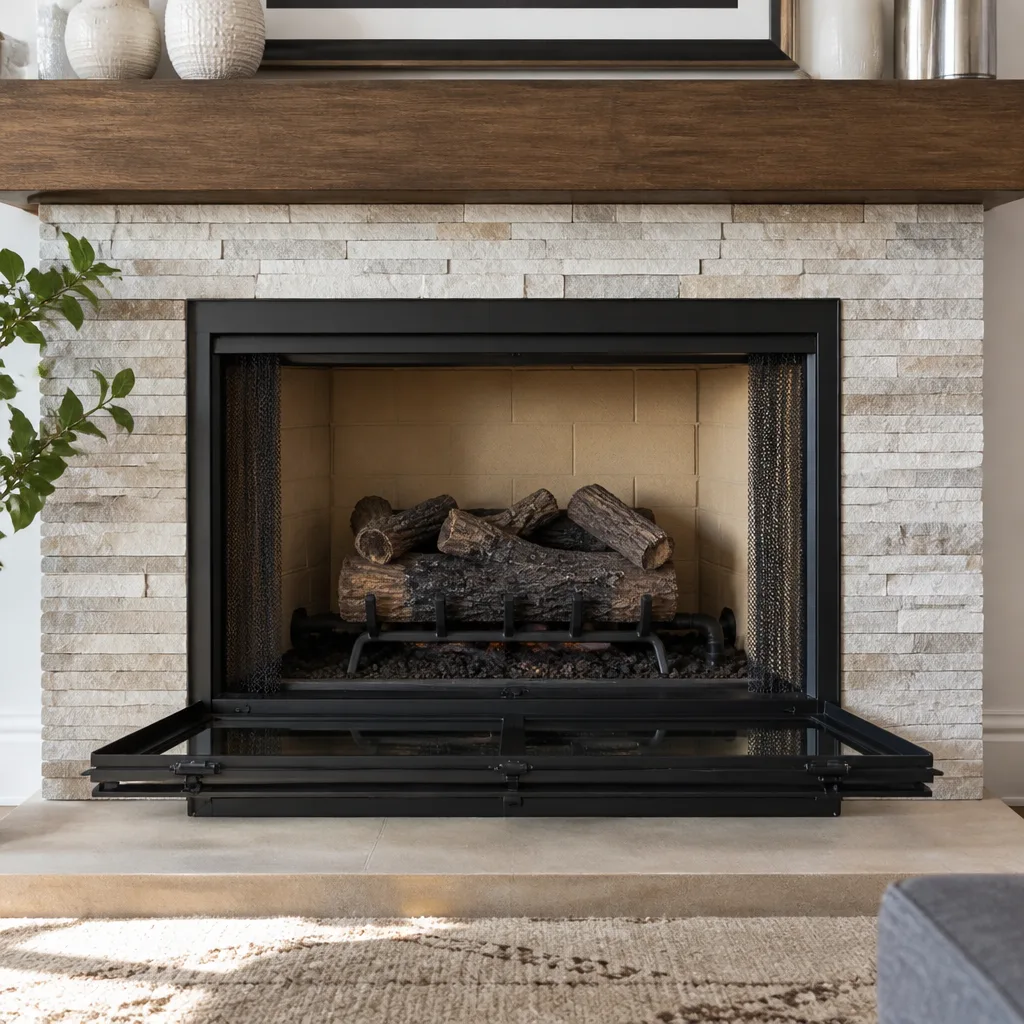 Gas fireplace service
Level 1 sweep and inspection to the NFPA 211 annual standard - flue, crown, cap, and flashing checked and photographed
Chimney sweep logs do not sweep chimneys. They loosen some creosote - which then falls where a brush and vacuum still have to collect it.
Chimney Sweep Maintenance Checklist for Westpark Homeowners
Most homeowners wait until they smell smoke in the house. By that point, the problem has usually been developing for two or three burn seasons. A chimney rarely fails all at once; it gives plenty of quiet warnings first, and nearly all of them are visible from the firebox or the roof long before they become expensive. This guide is a working checklist for Westpark homeowners, built around what you can actually observe rather than an arbitrary date on a calendar. You’ll learn what normal versus abnormal looks like at each part of your system, which measurements you can verify with a tape measure, how to log your burning habits so a technician can assess creosote risk accurately, and which jobs are safe to handle yourself versus which belong to a licensed sweep.
Quick Answer
A chimney maintenance checklist for Westpark homeowners should be organized by location, not by calendar: firebox, damper, smoke shelf, crown, exterior masonry, and cap, each with a clear pass/fail test you can run yourself. Check the firebox and damper before every burn season, inspect the crown and cap from the ground twice a year, and log cords burned and wood species so your sweep can judge creosote risk accurately. Anything involving the flue interior, the liner, or structural masonry belongs to a licensed professional.
Styles & brands we work with
- Sweep & inspection
- Caps & crowns
- Flue relining
- Masonry repair
- Gas fireplace service
Table of Contents
- Why a Condition-Based Checklist Beats a Calendar
- The Firebox: What Normal Wear Looks Like
- Damper and Smoke Shelf: Gaps, Seals, and Draft
- The Crown: Overhang, Cracks, and Water Shedding
- Exterior Masonry: Mortar, Spalling, and Staining
- The Cap and Spark Screen: Debris and Wildlife
- How to Log Your Burning for Accurate Creosote Assessment
- Seasonal Timing for Westpark’s Burn Months
Why a Condition-Based Checklist Beats a Calendar
Chimney maintenance advice usually arrives as a schedule: sweep once a year, inspect once a year, done. That advice isn’t wrong, but it’s incomplete in a way that costs homeowners money. Two households can burn for the same number of seasons and end up with very different amounts of creosote inside their flues. One burns seasoned hardwood a few nights a week; the other burns whatever wood is stacked out back, damps the fire down overnight, and runs it hot and smoky. The calendar can’t tell the difference. The condition of the chimney can.
That’s the reasoning behind this checklist. Every item is tied to something you can see, measure, or record, so you’re not guessing at whether work is due. It also gives your technician something more useful than a shrug when they ask how much you’ve been burning.
We work exclusively on chimneys, so we see the results of both approaches. Chimneys that get looked at by condition tend to get caught early, when a repair is a tube of mortar and an afternoon. Chimneys that only get looked at on a fixed schedule tend to get caught late, when the crown is cracked through and water has been working on the masonry for a couple of winters. This guide is meant to move you into the first group.
- Calendar-based: sweep once a year regardless of use, then hope.
- Condition-based: observe the six checkpoints below, log your burning, and let a professional assess what the observations add up to.
- Best practice: use the calendar as a backstop and the condition checks as your early warning system.
The Firebox: What Normal Wear Looks Like
The firebox is the easiest checkpoint to inspect and the one most homeowners actually look at. It’s also the one where people misread normal wear as damage. Normal firebox brick has hairline cracks in the firebrick joints, some soot darkening on the back wall, and a fireback that shows heat discoloration. What you’re looking for is anything that goes beyond surface.
Here’s the pass/fail test. Normal looks like this:
- Hairline cracks in the mortar joints between firebricks.
- Even soot staining on the rear and side walls.
- Bricks that are intact, with no pieces missing or loose.
- A grate that sits flat and level.
Abnormal looks like this:
- Bricks that crumble when you press them, or that have chunks missing.
- Mortar joints that are recessed more than about a quarter inch, which means the joint is washing out.
- White, powdery staining on the brick face, which points to moisture working through.
- A grate that rocks or has sagged into the firebox floor.
- Any gap where you can see past the firebrick into the surrounding masonry.
If you find abnormal conditions at the firebox, that’s a sign the firebox has been running hot or has been exposed to moisture, and it needs a professional look before your next fire. Firebox rebuilds and fireplace repair fall squarely into licensed work; firebrick and refractory mortar are not the same materials as standard masonry, and using the wrong ones shortens the life of the repair. Our technicians have up to 15 years of experience reading exactly this kind of wear.
Damper and Smoke Shelf: Gaps, Seals, and Draft
The damper is the plate above the firebox that opens and closes the flue. It’s simple hardware, which makes it easy to overlook, and a damper that doesn’t seal properly is one of the most common causes of a fireplace that smokes into the room. Check it before every burn season.
The pass/fail test is straightforward. Open the damper and look up. With the damper closed, you should see no daylight around its edges. Any visible gap between the damper plate and its frame is a seal that’s worn. When you open and close it, the plate should move smoothly and sit flat against the frame at both ends. If it binds, drops on one side, or won’t close fully, that’s a fail.
On a tape measure, a damper opening should clear the full throat of the firebox with nothing protruding into the path of the smoke. If you can see a buildup of creosote or soot on the underside of the damper frame, that’s the smoke shelf telling you it’s overdue for a cleaning. The smoke shelf is the ledge just behind the damper that redirects downdrafts back up the flue. Soot buildup there is normal between sweeps and not a fault. What’s a fault is when the shelf is cracked, missing chunks of mortar, or has anything blocking the path of smoke.
Damper repair and smoke shelf work sit on the boundary between homeowner checks and professional work. You can check the seal and clear loose debris from the shelf with a vacuum. You shouldn’t be removing the damper assembly or reframing a smoke shelf; both require pulling the firebox apart, and getting the geometry wrong makes drafting worse.
One more thing worth knowing before you close the damper for the season. The damper is a metal plate inside a hot chimney, and it can warp with age. If yours has closed properly for years and suddenly won’t seal, that’s usually warping, and it’s a repair, not a cleaning. Our chimney sweep visits include a check on the damper as part of the inspection.
The Crown: Overhang, Cracks, and Water Shedding
The crown is the concrete cap at the very top of the chimney that sheds water away from the masonry. Water is the single most common cause of chimney damage, and the crown is the first line of defense. Most crowns fail slowly, and the failure is easy to spot from the ground with a pair of binoculars.
Normal crown: solid concrete, a slight slope away from the flue, and an overhang that extends past the outside face of the chimney. Abnormal crown: hairline cracks that have widened, chunks that have broken off, a flat or recessed surface that pools water, or an overhang that has crumbled back to the masonry line.
The measurement that matters is overhang. A properly built crown extends past the chimney’s outside masonry face, so water drips off clear of the brick rather than running down it. If you can stand at ground level and see water staining on the top course of bricks just below the crown, the overhang has either failed or was never adequate. On a tape measure, the crown should extend at least as far as the widest point of the masonry below it; if it’s flush with the brick, it isn’t shedding water.
Crown repair is professional work, and it’s also one of the highest-value repairs you can make. A cracked crown lets water into the chimney’s interior, where it works on mortar joints and freezes and thaws its way through masonry. We install and repair chimney cap & crown assemblies with materials suited to the job; a crown is not poured concrete from a bag, and doing it right requires a mix designed to flex with the masonry beneath it.
Exterior Masonry: Mortar, Spalling, and Staining
Exterior masonry is the part of your chimney you see every time you pull into the driveway, and it’s also the part where small problems go unnoticed until they’re big ones. This is a good twice-a-year check, done from the ground with the sun at an angle so shadows show up irregularities.
Pass conditions:
- Mortar joints that are full and tight, roughly flush with the brick face.
- Brick faces that are smooth and intact.
- Consistent color across the chimney, no dark streaks or bright patches.
- No white powdery staining (this is efflorescence, and it points to moisture).
Fail conditions:
- Mortar joints recessed more than about a quarter inch.
- Brick faces that are flaking or crumbling (called spalling).
- White staining that reappears after it’s cleaned off.
- Dark streaks below the crown or under a cap.
- Any brick that moves when you press on it from a ladder, which is a job for a professional.
Spalling brick is the most serious of these. When a brick face spalls, water is getting behind the face and forcing it off from the inside; this usually starts at the crown and works down. If you catch it early, a masonry repair can save the brick. If you don’t, the chimney begins to pull apart from the inside, and structural repair becomes the only option.
One more thing to watch: if you see staining that looks like rust or soot streaks coming out of the masonry near the top, that’s a sign the cap has failed or the flue has settled. Both are worth a professional look.
The Cap and Spark Screen: Debris and Wildlife
The cap is the cover over the top of the flue with a mesh screen around it, designed to keep rain, animals, and sparks out. It’s also the checkpoint where a homeowner can safely do the most useful work: clearing debris from the screen.
The pass condition is a cap that’s securely attached, a screen that’s intact with no rusted-through sections, and a top plate that sits level over the flue. Clear any leaves, twigs, or bird nests that have built up against the screen from the outside using a garden hose with a spray nozzle or a soft brush on a long pole, working from the ground or a stable ladder position. Do not climb onto the roof to do this.
Fail conditions:
- Holes in the screen or mesh that’s pulled away from the frame.
- A cap that’s tilted, loose, or has been displaced by wind.
- Visible evidence of birds or squirrels nesting inside the flue opening.
- A cap with no spark screen at all, which lets embers land on the roof.
- Debris that has fallen down the flue, which you’ll notice as a draft problem at the firebox.
If a bird or squirrel has gotten in, do not light a fire to “flush” it. Animals nesting in a flue can block the entire stack, which turns a chimney fire into a smoke problem in the house and can force carbon monoxide back into the room. Call a sweep to remove the obstruction. We install caps in standard sizes and in custom fits for unusual chimney dimensions, and a properly fitted cap on your chimney is the cheapest way to keep animals and rain out.
How to Log Your Burning for Accurate Creosote Assessment
Creosote is the residue that condenses inside a flue from burning wood, and the single biggest factor in chimney fire risk is how much of it has built up. Creosote forms at different rates depending on what you burn and how you burn it, which is why a calendar schedule can’t tell you when you’re due. A burning log lets your sweep make that call accurately.
Here’s what to record. Keep a small notebook or a note on your phone, and log it after every fire or weekly, whichever is easier:
- Cords burned. Estimate the fraction of a cord you’ve used since the last sweep. A face cord or a rough fraction is fine; precise measurement isn’t the point.
- Number of fires. A count of how many fires you’ve had since the last sweep, even roughly, tells your sweep more than “a lot.”
- Wood species. Hardwood like oak and maple burns cleaner than pine and other softwoods, which produce more creosote. Note what you’ve been burning.
- Wood moisture. If you have a moisture meter, log the reading. Seasoned wood reads under 20%; green wood reads much higher.
- Burning habits. Note whether you burn hot fires or damp them down for long slow burns, which produce more creosote.
- Firebox conditions. Anything you noticed at the checkpoints above, especially smoke coming into the room or a draft problem.
Bring that log to your sweep visit. It takes about a minute to start and gives the technician a real basis for judging whether your chimney has a fast creosote buildup pattern or a slow one. That in turn tells you whether your next visit should be sooner than the default annual schedule.
Seasonal Timing for Westpark’s Burn Months
Timing in Westpark follows the burn season more than the calendar. The dry, warm months are when most homes have their fires banked, and the wetter, cooler months are when the fireplace gets used. That gives you a clear rhythm for maintenance.
Here’s the sequence we recommend:
- Before the first fire of the season. Run the full ground-level inspection: firebox, damper, smoke shelf, crown, masonry, and cap. Clear the cap screen of debris. Book a sweep if you burned more than a cord last season or found any fail conditions.
- Mid-season. Do a quick visual on the crown and cap and update your burn log. If you notice a draft problem, creosote smell in the house, or smoke at the firebox, stop and call for a professional check.
- After the last fire of the season. Clean out the firebox, close the damper fully, and do a thorough exterior inspection while the chimney is cool. This is the best time to schedule repairs, because they have the dry months to cure.
- Before the wet season. If a crown or masonry repair was deferred, get it done before the rains. Water damage is the most common thing we see in Westpark chimneys that haven’t been checked in a season.
The one rule that isn’t optional: if you’ve never had your chimney inspected by a professional, book that before the first fire. The homeowner checks in this guide are early warnings, not a substitute for a real inspection of the flue interior. A camera inspection sees conditions you can’t from the firebox, and it’s the only way to know whether a liner is still sound. That inspection belongs with an annual sweep and is part of the same visit with us.
Common Mistakes to Avoid
- Burning green or unseasoned wood. Wood with high moisture content burns cooler and smolders more, which means far more creosote deposits on the flue. Get ahead by buying wood in the early part of the year so it has time to season.
- Damping down the fire overnight. Banked-down, smoldering fires are the single biggest driver of fast creosote buildup. If you want the fire to last, burn smaller loads hot rather than one big load low.
- Ignoring a smoke smell in the house. Soot and creosote smell in the room is a sign of a draft or seal problem, not just “a smoky fire.” It’s worth a professional look before you use the fireplace again.
- Patching a cracked crown with standard mortar. The crown needs a mix that flexes with the chimney and sheds water past the masonry, not a bag of standard mortar that will crack again in a season. Use a professional for crown work.
- Sweeping without inspecting. A sweep who only sweeps the flue clean without checking the interior leaves liner and masonry problems out of the picture. Ask for a camera inspection with the sweep.
- Skipping the log. A chimney burned hard with softwood can need a sweep well before the one-year mark. Without a log, no one can tell you that, including you.
- Climbing the roof to check the crown yourself. A fall from a roof is a serious injury, and most crown and cap conditions are visible from the ground with binoculars. Leave the roof work to a professional.
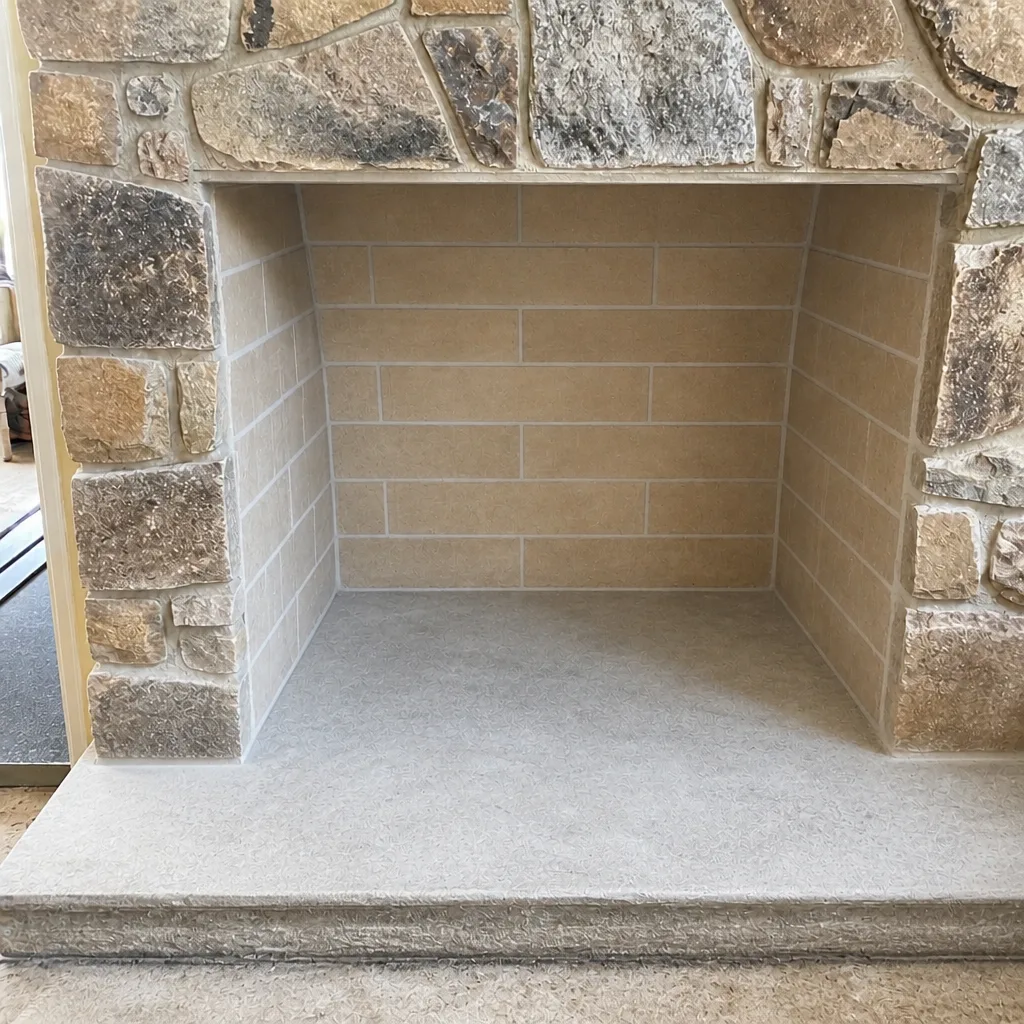
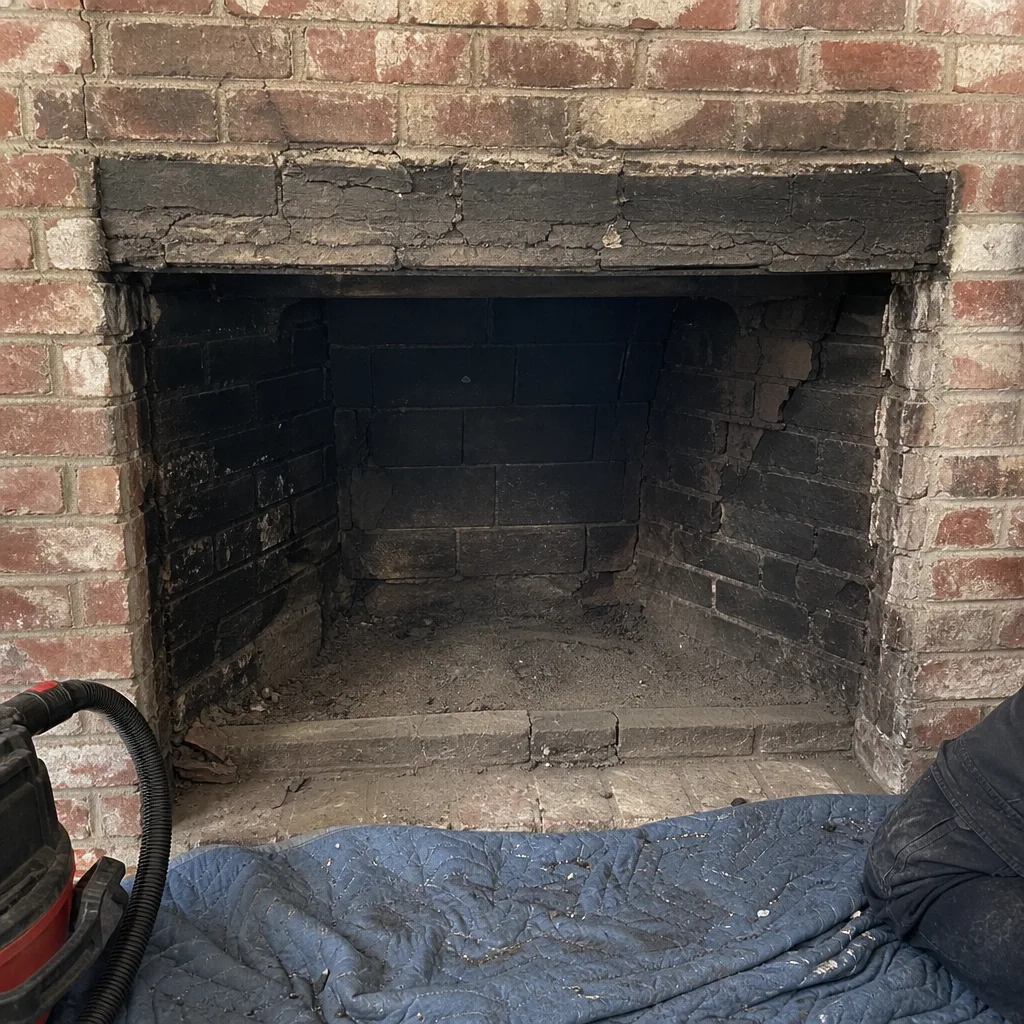
See the difference
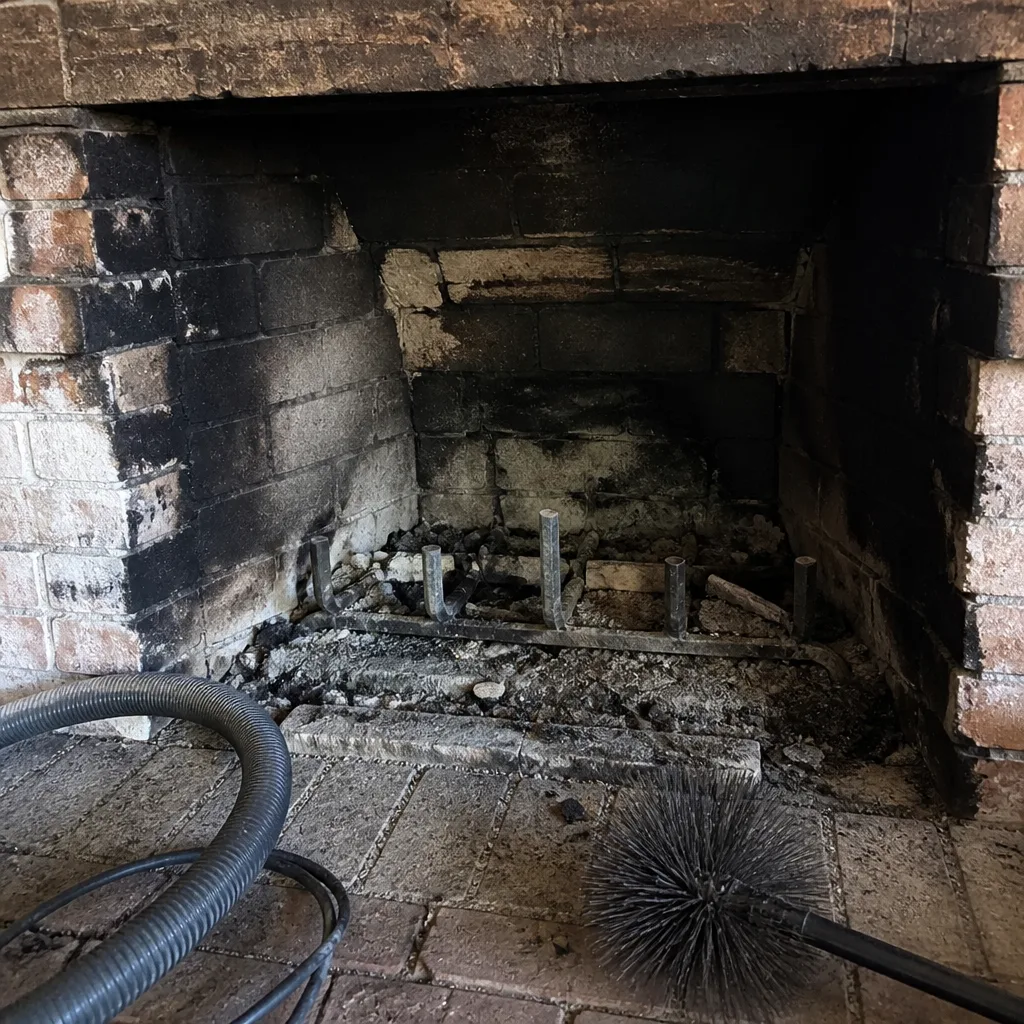 Before
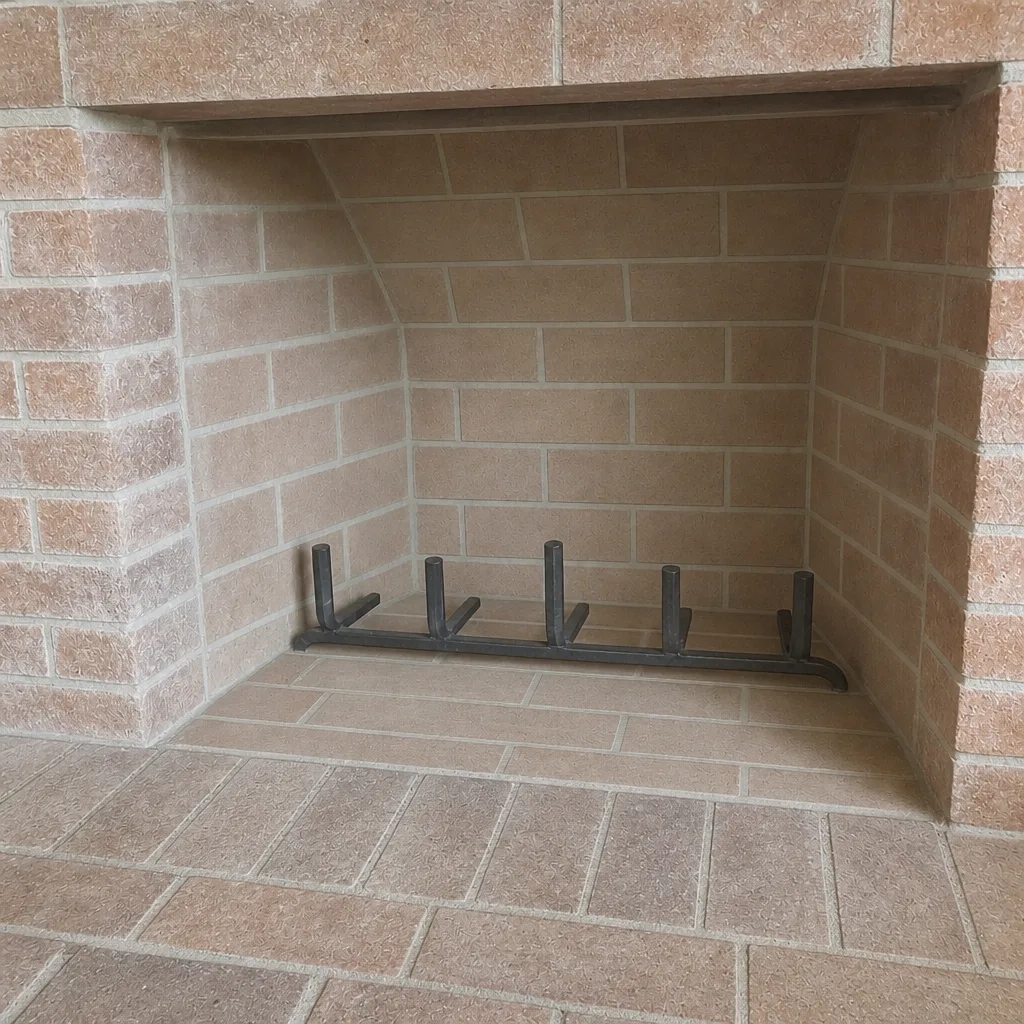 After
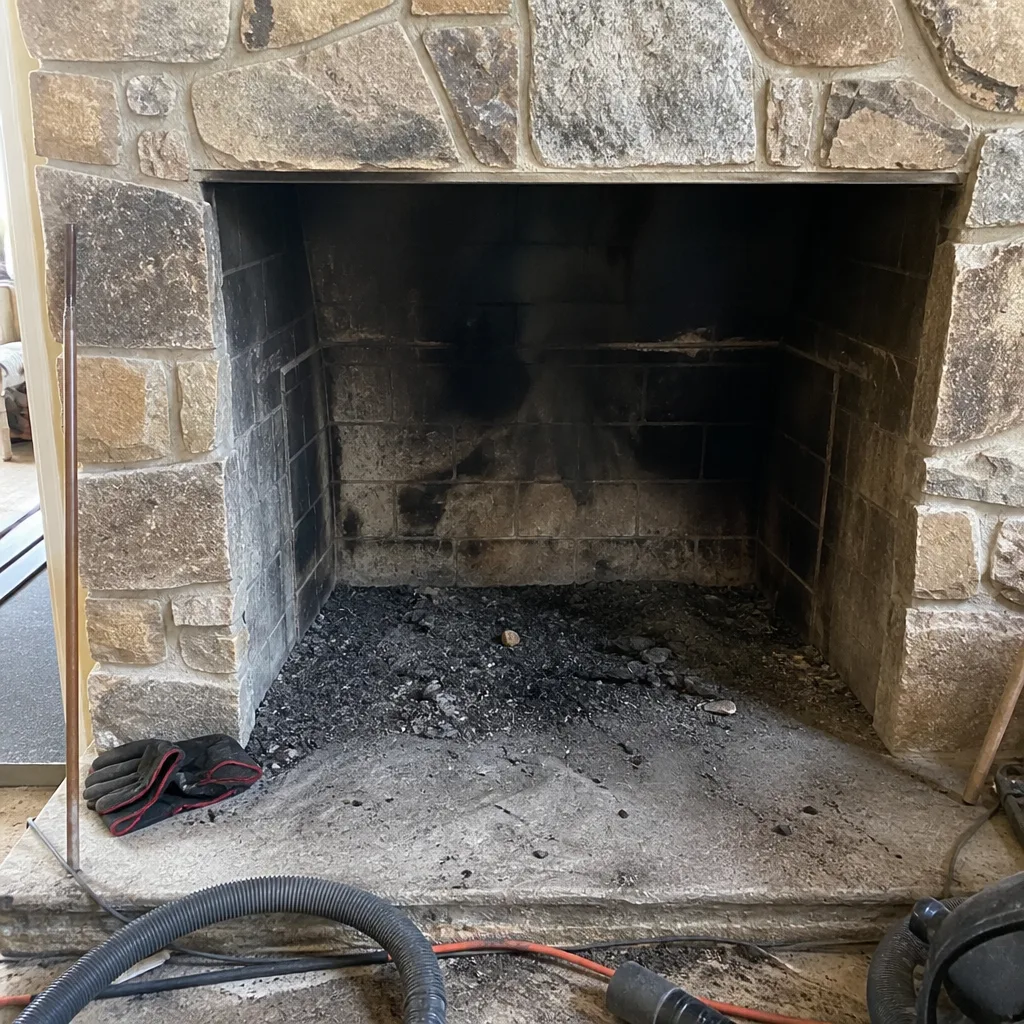 Before
 After
 Before
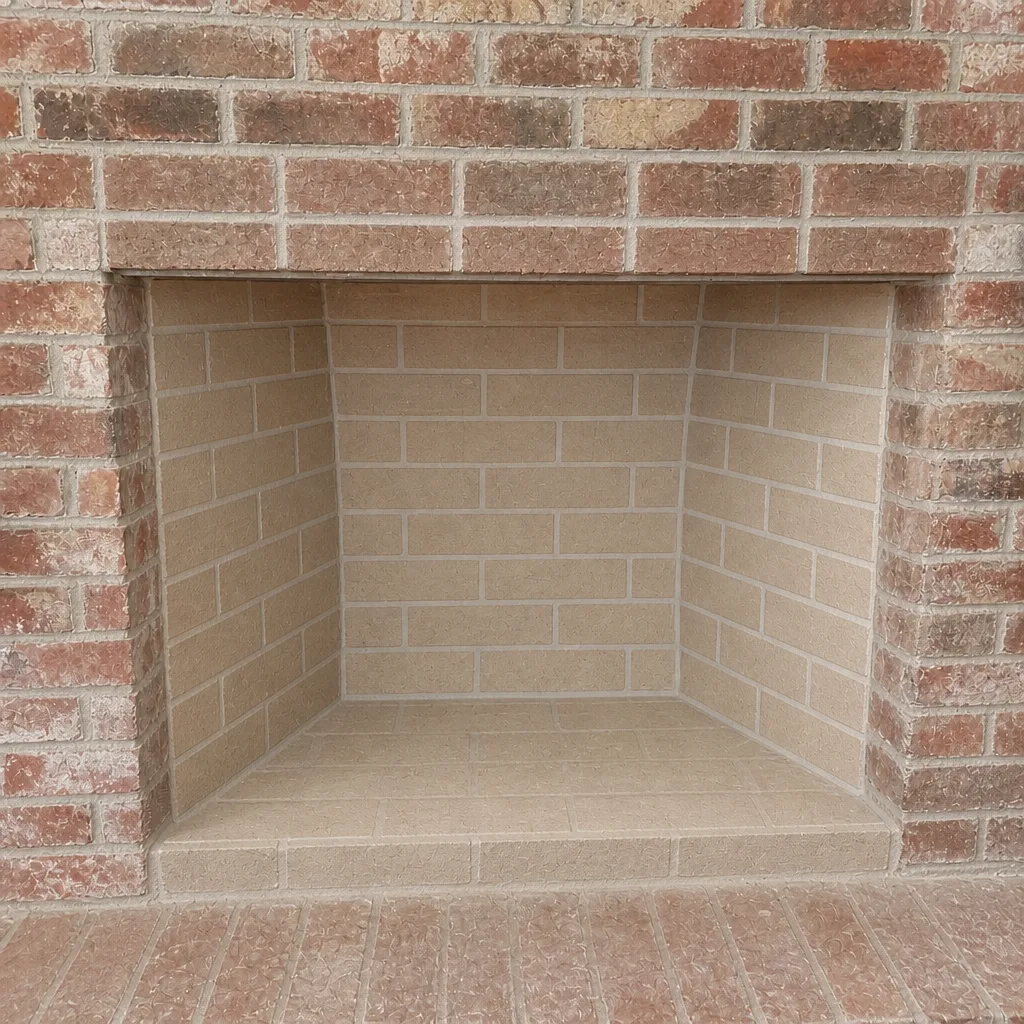 After
When to Call a Professional
Call a licensed sweep if any of these is true: you’ve moved into a home with a fireplace and don’t know its service history; you can see cracks in the crown or staining down the exterior masonry; smoke enters the room when you open the firebox; you smell creosote inside the house; a bird or animal has nested in the flue; or your log shows heavy burning on softwood and the chimney hasn’t been swept recently. Any of those means a professional inspection before the next fire. Chimney Sweep Westpark offers free estimates in Westpark – call (833) 468-5984. We answer 24/7. Fast dispatch from 7am to 7pm, Sunday through Friday. A written estimate sets the final price, and you’ll see the inspection findings before anything is recommended.
Frequently Asked Questions
Most Westpark chimneys need a sweep once a year, and that’s the right default if you burn a cord or less of seasoned hardwood. If you burn more than a cord, burn softwoods, or run a lot of overnight banked fires, you may need it more often. Your burn log is the best way to know. Call (833) 468-5984 to book a sweep and an inspection in one visit; estimates are free.
Yes, from the ground or a stable ladder position, with a hose spray nozzle or a soft brush on a long pole. Do not climb onto the roof. If the screen is damaged, the cap is loose, or an animal is nesting in the flue, stop and call a professional. The cap protects your whole flue, so it’s worth getting right.
Creosote accumulates inside the flue and becomes more likely to ignite with each burn; a chimney fire is the worst outcome, and it can damage the flue from the inside. Even without a fire, a blocked or sooty flue can force smoke and carbon monoxide back into the room. Skipping a sweep is the cheapest way to make a chimney repair expensive. Call (833) 468-5984 for a free estimate before the next fire.
That depends on what a camera inspection finds. A minor flue defect can often be restored with a HeatShield resurfacing, which repairs the inside of the flue without tearing down the chimney. A badly damaged or undersized flue needs a new liner, typically a DuraFlex flexible liner sized to the appliance. We don’t recommend either without showing you the camera evidence and the inspection report; you decide with the photos in hand.
Look from the ground with binoculars. A failing crown shows cracks that have widened, chunks missing, or an overhang that’s flush with or crumbled back from the masonry face. Staining on the top course of brick below the crown is another sign. A cracked crown is worth repairing before the wet season, and it’s a repair a professional should do.
Yes. A camera inspection shows the condition of the flue interior without demolition, and we share the findings and photos with you before recommending anything. If a repair can safely wait until next season, we’ll tell you that. Nothing on our end is recommended without evidence you can see.
The Bottom Line
A chimney maintenance checklist should be a set of tests you can run, not a schedule you hope is right. Check the firebox, damper, smoke shelf, crown, exterior masonry, and cap before the first fire and after the last; log your cords, wood species, and burning habits so your sweep can judge creosote risk; and respect the line between what you can safely do (ash removal, cap debris clearing, ground-level observation) and what belongs to a licensed professional (flue inspection, liner work, crown and masonry repair). If a check turns up a problem you can’t explain, call it before the next fire rather than after. For a chimney sweep, inspection, cap and crown, or fireplace repair in Westpark, Chimney Sweep Westpark handles the full lifecycle of your chimney in one visit. Call (833) 468-5984 for a free estimate. We answer 24/7, with fast dispatch from 7am to 7pm, Sunday through Friday. You’ll get a written estimate, a camera report, and a clear recommendation – including when a repair can safely wait. Explore Chimney Sweep Westpark for the full range of what we do on a chimney.
Written by the team at Chimney Sweep Westpark.